

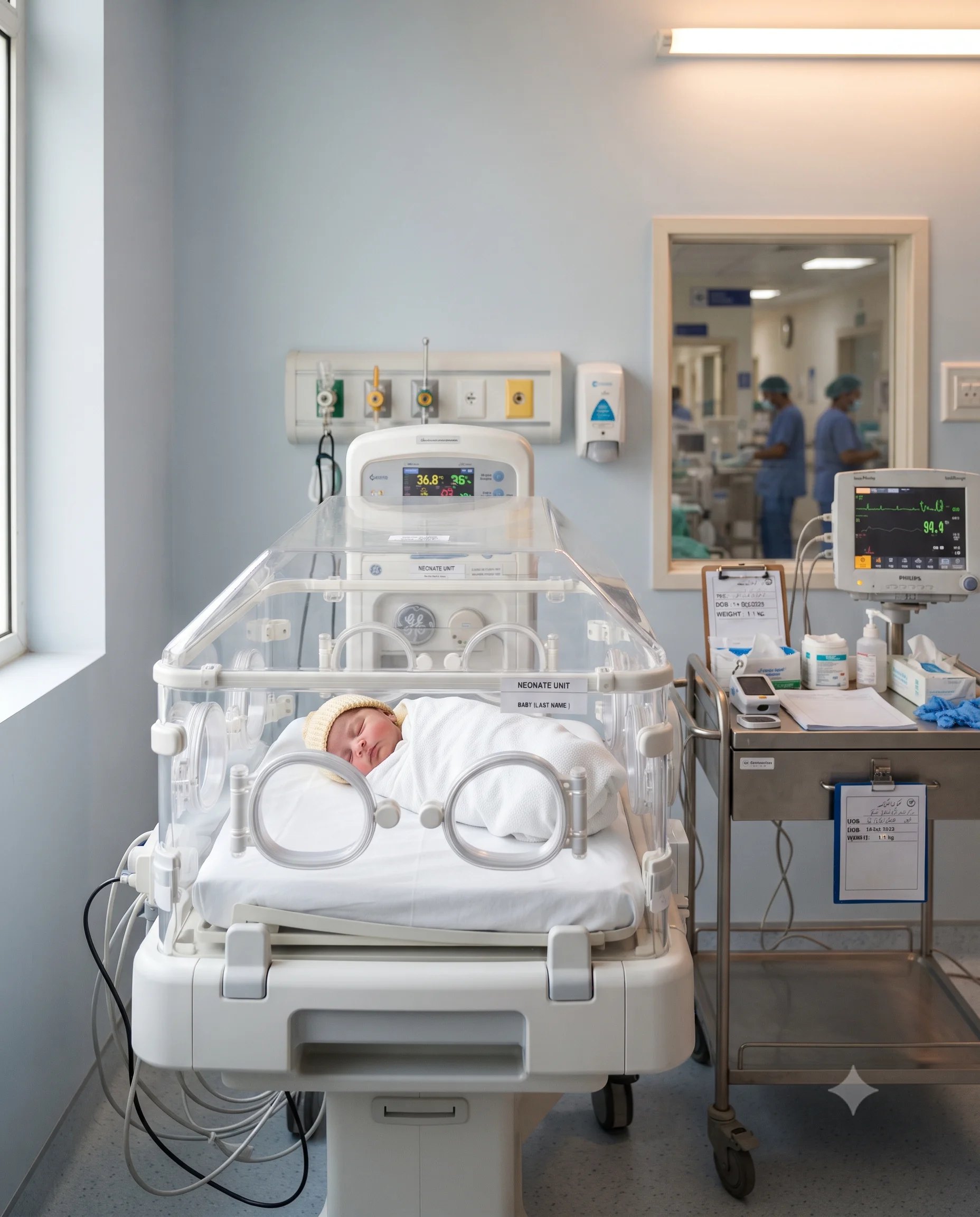
Turkey C-Section Crackdown: More Than 100 Doctors Penalised Over Caesarean Deliveries
Turkey C-Section crackdown has intensified after the country’s Health Ministry reportedly took disciplinary action against more than 100 obstetricians and gynaecologists for performing Caesarean section deliveries. According to Turkish media, the measures include financial penalties, temporary suspensions from medical practice, official warnings, and mandatory training programmes. The actions have triggered criticism from healthcare professionals, who argue that medical decisions should remain based on clinical judgment rather than administrative targets.
The reported disciplinary measures come as President Recep Tayyip Erdogan’s government continues efforts to reduce the country’s high rate of Caesarean births under its broader family policy agenda. Turkey currently records the highest Caesarean delivery rate among member countries of the Organisation for Economic Co-operation and Development (OECD).
Why Doctors Are Facing Disciplinary Action
According to Turkish newspaper BirGun, more than 100 obstetrician-gynaecologists across the country have been sanctioned because of the number of Caesarean procedures they performed.
The reported penalties include:
- Monetary fines
- Official disciplinary investigations
- Temporary suspension from practising medicine
- Mandatory antenatal training courses
- Formal warnings issued by health authorities
Medical associations have criticised the measures, saying doctors should be allowed to determine the safest delivery method based on each patient’s medical condition.
The Turkish Health Ministry has not publicly released a nationwide list of affected physicians, but the reported figures have been cited by professional medical organisations.
Turkey Has the OECD’s Highest Caesarean Birth Rate
The government’s campaign follows international data showing Turkey has one of the world’s highest rates of Caesarean deliveries.
According to the latest available OECD figures for 2023, Turkey recorded approximately 615 Caesarean births for every 1,000 live births, placing it at the top among the organisation’s 38 member countries.
Health experts have long debated the reasons behind the high rate.
Medical professionals have argued that Caesarean procedures can often be completed much faster than vaginal deliveries. A planned C-section may take around 30 minutes, while natural labour can extend for many hours depending on individual circumstances.
Doctors have also said Caesarean deliveries may reduce legal risks in cases where complications arise during childbirth, making the procedure a safer option from a medical liability perspective in certain situations.
However, international health organisations generally recommend that Caesarean sections should be performed only when medically necessary because unnecessary surgical births may increase health risks for both mothers and babies.
Government Pushes Natural Birth Policy
The disciplinary action comes amid a broader government campaign promoting natural childbirth.
President Recep Tayyip Erdogan has repeatedly encouraged higher birth rates and larger families, making population growth a key part of his social policy agenda.
As part of what officials have described as the “Decade of the Family” initiative, the Turkish government has introduced several measures aimed at reducing elective Caesarean deliveries.
In April 2025, authorities banned private healthcare facilities from performing elective Caesarean sections without a recognised medical justification.
Government officials have argued that reducing unnecessary surgical births could improve maternal health outcomes while encouraging natural deliveries where medically appropriate.
Supporters of the policy say it is intended to address both public health concerns and declining birth rates.
Medical Community Raises Concerns
The reported disciplinary measures have drawn criticism from medical professionals and physician organisations.
The Antalya Chamber of Physicians said obstetricians had received warnings, faced disciplinary investigations, been temporarily suspended from practising, and were required to attend antenatal education courses because of high Caesarean section rates.
Medical groups argue that childbirth decisions should be based on the condition of each patient rather than numerical targets or policy objectives.
They also warn that doctors may become reluctant to perform medically appropriate Caesarean procedures if they fear disciplinary action.
Healthcare professionals have emphasised that every pregnancy is different and that some mothers require emergency or planned Caesarean deliveries to protect their own health or that of their babies.
Reported Case Highlights Growing Controversy
According to Turkish news website Diken, one obstetrician working at a private hospital in Sakarya, near Istanbul, was dismissed after the Health Ministry reportedly requested action over the doctor’s Caesarean delivery rate.
The report said the physician was subsequently suspended from practising for six months.
The reported case has become one of the most widely discussed examples of the government’s enforcement measures and has fuelled debate within Turkey’s medical community.
At the time of reporting, no broader official statement had been issued detailing the criteria used in individual disciplinary cases.
Why the Issue Matters
The controversy reflects a broader debate over the balance between government healthcare policy and clinical independence.
Supporters of tighter regulation argue that reducing unnecessary Caesarean procedures may lower healthcare costs and improve long-term maternal health outcomes.
Critics, however, contend that strict oversight based primarily on procedure rates could interfere with doctors’ professional judgment and ultimately affect patient care.
Medical experts generally agree that Caesarean sections can be lifesaving when medically indicated. At the same time, they also recognise that unnecessary surgical births should be avoided whenever safe alternatives exist.
The debate is therefore less about whether Caesarean deliveries should be performed and more about who should decide when they are appropriate.
Looking Ahead
Turkey’s efforts to reduce Caesarean birth rates are likely to remain a significant issue for both healthcare professionals and policymakers.
As authorities continue implementing reforms aimed at encouraging natural childbirth, medical organisations are expected to keep advocating for greater clinical autonomy in maternity care.
The reported disciplinary actions have also renewed international attention on Turkey’s maternity policies, particularly given the country’s leading Caesarean birth rate among OECD members.
Whether the government’s strategy succeeds in lowering surgical birth rates without affecting patient care will remain an important issue to watch in the coming years.
Source:
- BirGun
- Diken
- Antalya Chamber of Physicians
- OECD
Our audience means everything to us.
Have feedback or suggestions to make us better? We’re always listening—feel free to get in touch with us at editor@truthorahub.com









Leave a Comment