

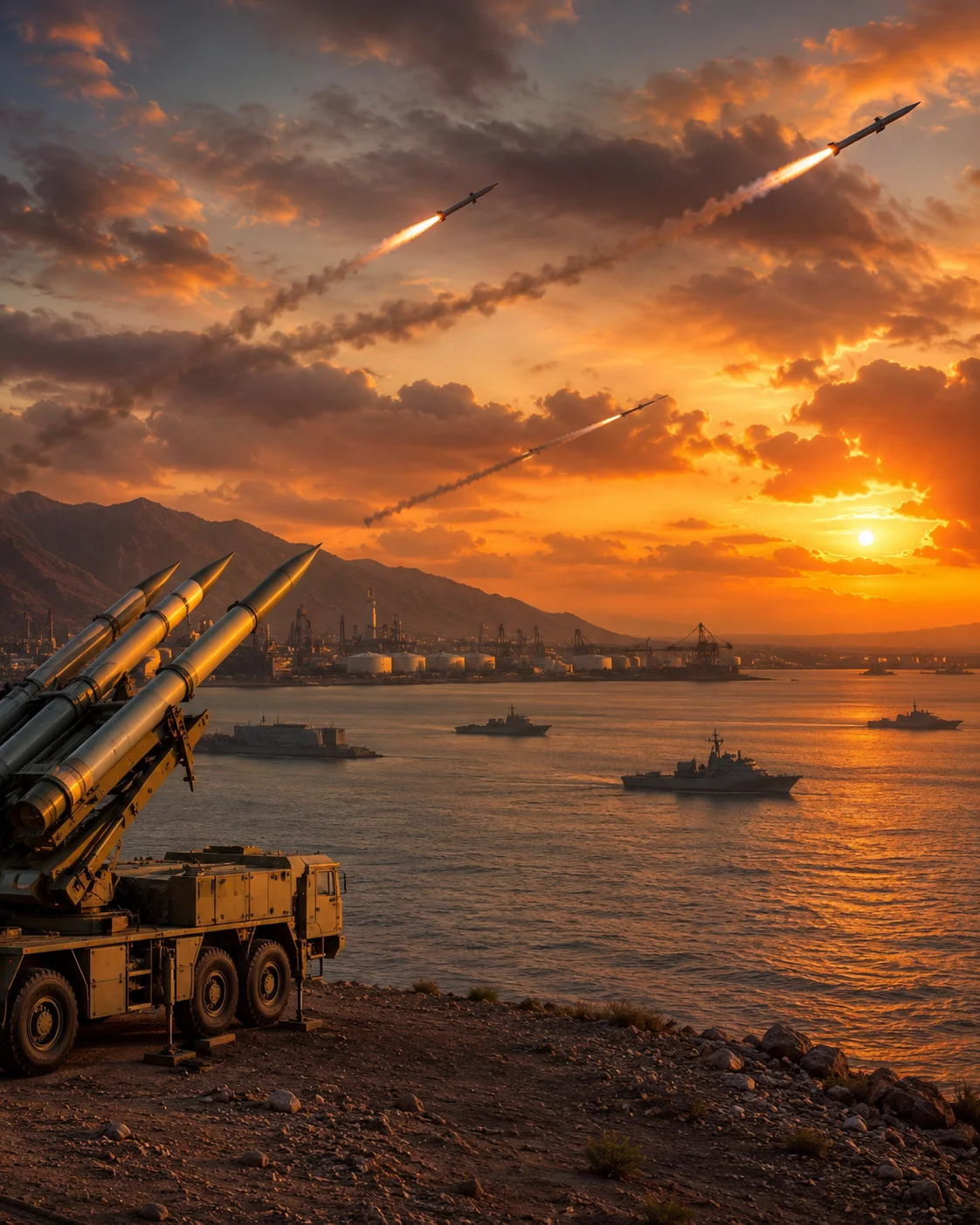
The fragile peace in the Middle East has effectively disintegrated as Iran strikes US bases across the Gulf region. This aggressive military maneuver follows a series of U.S.-led operations targeting Iranian coastal and eastern provinces, marking a definitive end to a short-lived three-week ceasefire. As the conflict intensifies, international concerns mount regarding the security of the Strait of Hormuz and the stability of global energy markets.
Escalation Follows Funeral of Supreme Leader
The recent surge in hostilities coincides with a period of national mourning in Iran following the death of Supreme Leader Ayatollah Ali Khamenei. Khamenei was killed in an airstrike on February 28 during an initial barrage by U.S. and Israeli forces. As Iran concluded a week of funeral processions in Mashhad, the rhetoric remained defiant, with large crowds openly calling for retaliation against the United States.
According to reporting by Reuters, the current cycle of violence began after attacks on Qatari and Saudi shipping vessels earlier this week. U.S. President Donald Trump subsequently declared the truce “over,” though Washington maintains that technical discussions aimed at resolving the broader conflict remain ongoing.
Strikes and Counter-Strikes Across the Gulf
U.S. Central Command confirmed that it executed strikes on approximately 90 Iranian military targets between July 8 and July 9. These operations reportedly focused on air defense systems, coastal surveillance assets, and sites used for the storage of drones and missiles. Iranian state media alleged that these strikes resulted in 14 fatalities and 78 injuries across five provinces.
In retaliation, the Iranian military announced that it targeted key U.S. infrastructure in the region. According to statements released through state media, these attacks included:
-
U.S. Patriot missile systems in Kuwait.
-
An early-warning site located in Qatar.
-
A U.S. Army fuel depot situated in Bahrain.
-
The Azraq military base in Jordan.
Kuwaiti authorities reported engaging a cruise missile, three ballistic missiles, and 10 drones within their airspace, noting that one person sustained injuries from falling debris. Meanwhile, Jordanian officials confirmed that eight missiles were intercepted, with no reported damage to their territory.
The Strategic Importance of the Strait of Hormuz
The conflict has placed the Strait of Hormuz—a vital maritime artery through which roughly one-fifth of the world’s oil supply passes—at the center of the confrontation. The Iranian Revolutionary Guards have asserted that the strait will only operate under terms designated by Tehran. They contend that U.S. intervention is actively hindering the waterway’s full recovery to pre-war transit levels.
Conversely, the U.S. military maintains that its operations are essential to ensuring the freedom of navigation. Official U.S. accounts state that the military has facilitated the transit of over 800 commercial vessels and 380 million barrels of crude oil since May, challenging Iran’s claim of exclusive control over the strait.
Potential Impacts on Regional Stability
The situation remains volatile, with both sides trading accusations of aggression. Iranian officials, including top negotiator Mohammad Baqer Qalibaf, have insisted that the waterway will not be reopened under U.S. pressure. Meanwhile, President Trump, facing domestic pressure due to rising fuel costs and impending midterm elections, has warned of further “retribution” should attacks on shipping continue.
Diplomatic efforts are struggling to gain traction. While Qatar, a frequent mediator, has condemned the attacks on commercial vessels, it has also urged all parties to return to the negotiating table. Similarly, officials from Turkey, Oman, and Pakistan have engaged in high-level communications with Iranian leadership, emphasizing the urgent need to prevent further military escalation.
As the situation develops, the global community remains focused on whether back-channel diplomacy can prevail over the current military posturing. With the ceasefire now officially abandoned, the risk of a broader regional conflagration remains at its highest point since the conflict began earlier this year.
Source:
-
Reuters
-
U.S. Central Command
-
Iranian State Media (Fars News Agency)
-
Kuwaiti State News Agency
-
Jordanian State News Agency
-
Truth Social (Official Statements)
Our audience means everything to us.
Have feedback or suggestions to make us better? We’re always listening—feel free to get in touch with us at editor@truthorahub.com








Leave a Comment