

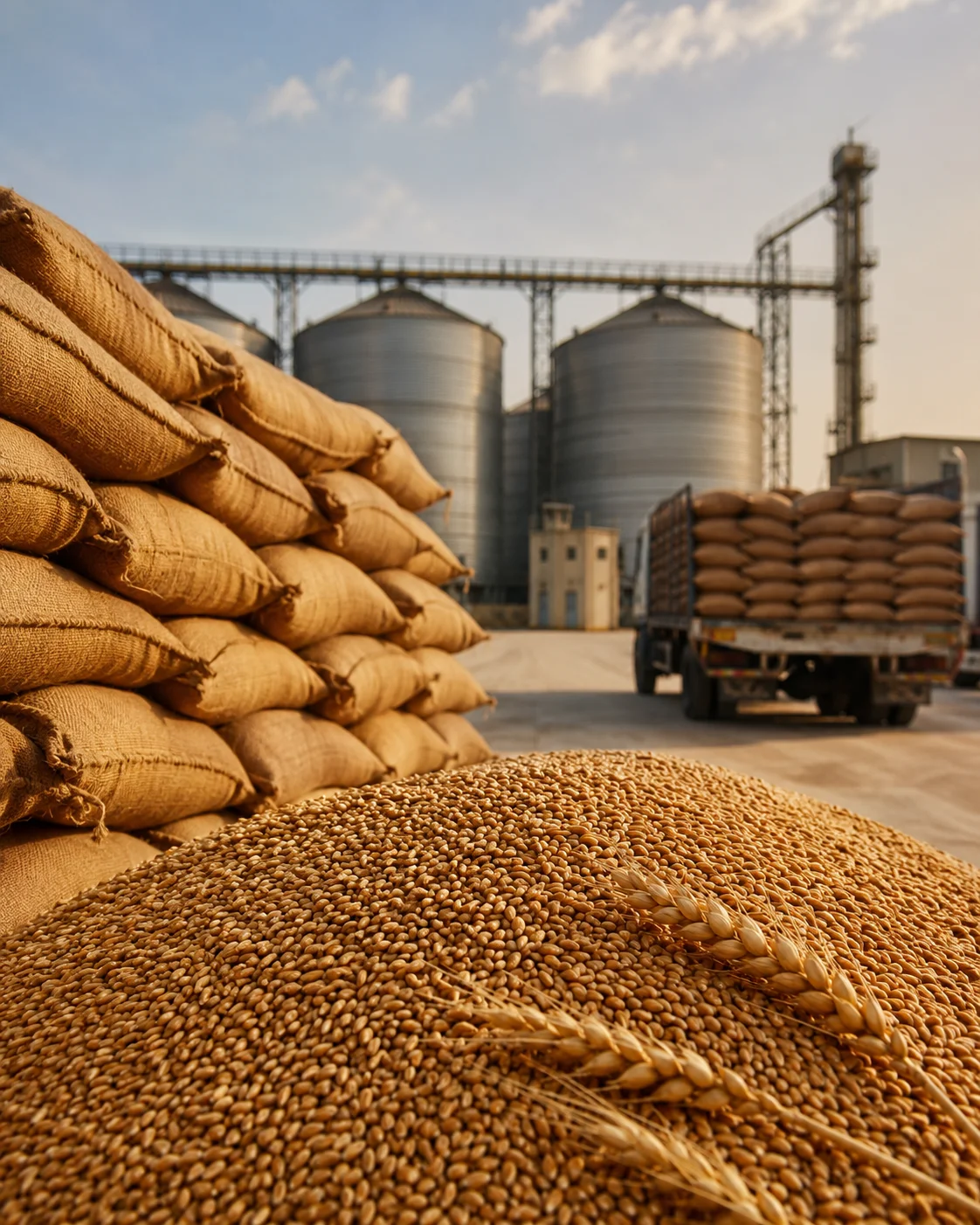
Sindh Wheat Prices Fall After Crackdown on Hoarding
HYDERABAD: Sindh wheat prices have started to decline after the provincial government intensified its campaign against alleged wheat hoarding, a move officials say is aimed at improving grain availability and bringing flour prices down for consumers already facing rising living costs.
According to government officials, the enforcement drive has resulted in the recovery of approximately 85,000 tonnes of wheat, contributing to lower market prices in Karachi, Hyderabad and other parts of the province. The operation follows months of sharp increases in wheat and flour prices despite expectations of a stronger wheat harvest this season.
Sindh Wheat Prices Ease Following Enforcement Action
The provincial government launched the crackdown after wheat prices continued climbing in the open market, putting additional pressure on households affected by broader inflation and higher fuel costs.
According to Sindh Food Secretary Ghulam Abbas Naich, the market price of 40 kilograms of wheat in Karachi has declined from Rs4,600 to Rs4,100 following the government’s action against alleged hoarding.
He said the operation would continue in an effort to recover more stored wheat and stabilise market conditions.
Market participants in Hyderabad also reported a noticeable decline in wholesale wheat prices. A local chakki owner said wheat, which had recently been selling for around Rs11,800 per 100 kilograms, had fallen to approximately Rs10,800 after the crackdown.
Officials Recover Thousands of Tonnes of Wheat
According to the Sindh Food Department, authorities have recovered around 85,000 tonnes of wheat during the ongoing operation.
Administrative officials believe some wheat stocks were allegedly being stored outside licensed facilities. Hyderabad Deputy Commissioner Zainul Abiden Memon told Dawn that intelligence-based information suggested wheat had been moved to locations other than officially approved storage sites.
He said approximately 10,000 bags of 100 kilograms each had been recovered in Hyderabad alone.
Authorities also stated that wheat stocks exceeding a flour mill’s permitted storage limit would now be treated as hoarding under the provincial government’s policy.
Flour Prices Also Show Signs of Improvement
The decline in wheat prices has begun to influence flour prices across Sindh.
Earlier this year, the Sindh Food Department had fixed the price of chakki flour at Rs107 per kilogram. However, market prices increased steadily over the following months.
Chakki flour was selling between Rs100 and Rs110 per kilogram in March, rising to Rs140 in May before reaching Rs150 per kilogram in early July.
To help stabilise prices, authorities have now fixed the following rates:
New Official Flour Prices
- Wholesale chakki flour: Rs133 per kilogram
- Retail chakki flour: Rs136 per kilogram
- Ex-mill wholesale flour: Rs122 per kilogram
- Ex-mill retail flour: Rs125 per kilogram
Officials hope these measures will improve affordability while ensuring sufficient wheat supplies remain available in the market.
Wheat Production Increased but Procurement Fell Short
Despite improved production, the government’s wheat procurement campaign failed to meet expectations.
According to preliminary estimates from the Sindh Agriculture Department, the province produced around 4.8 million tonnes of wheat during the 2025-26 season, compared with 3.542 million tonnes in the previous year.
However, the Sindh government had planned to procure one million tonnes of wheat but ultimately secured only around 80,000 tonnes, according to official figures.
The Food Department resumed wheat procurement this year after skipping the process the previous season.
Why Procurement Targets Were Missed
Officials believe several factors contributed to the shortfall.
The provincial government announced procurement after many farmers had already sold their crops in the open market, where prices were higher than the official support price.
The government had fixed the support price at Rs3,500 per 40 kilograms, allowing eligible farmers who received wheat subsidies through the Benazir Hari Card programme to sell directly to the government.
However, procurement began in April, by which time many growers had already sold their harvest and shifted to planting summer crops such as cotton and paddy.
As a result, government purchasing remained well below its target.
Market Prices Rose Sharply Before the Crackdown
Wheat prices increased rapidly over the past several months.
According to market figures:
- March: Rs7,800–Rs7,900 per 100 kilograms
- June: Rs11,000–Rs11,100 per 100 kilograms
- Early July: Approximately Rs11,900 per 100 kilograms
- Current price: Around Rs10,800–Rs10,900 per 100 kilograms
The sharp rise prompted concerns over flour affordability and market supply, leading provincial authorities to begin enforcement operations.
Allegations of Large-Scale Wheat Hoarding
According to government and market sources cited by Dawn, influential individuals linked to flour milling, rice milling and cotton ginning sectors allegedly stored large quantities of wheat purchased during the harvest season.
These allegations have not been independently verified.
Officials believe the grain was bought when prices were significantly lower during February and March before being held in storage as market prices increased.
Administrative authorities subsequently conducted inspections at flour mills and other industrial facilities in an effort to recover allegedly hoarded stocks.
Why the Crackdown Matters
Wheat is Pakistan’s primary staple food, making its availability and pricing critical for household food security.
Any sustained increase in wheat prices directly affects flour costs, placing additional financial pressure on consumers already coping with inflation.
Government officials argue that recovering stored wheat and discouraging hoarding can help stabilise supplies until the next harvest.
Traditionally, the Sindh government releases wheat from official stocks to flour mills and chakki operators beginning around October, ensuring a steady supply until the arrival of the following crop.
Whether the current enforcement campaign will keep prices stable over the longer term remains to be seen, but officials say monitoring and inspections will continue.
Source:
- Sindh Food Department officials quoted by Dawn
- Hyderabad Deputy Commissioner Zainul Abiden Memon (via Dawn)
Our audience means everything to us.
Have feedback or suggestions to make us better? We’re always listening—feel free to get in touch with us at editor@truthorahub.com









Leave a Comment