

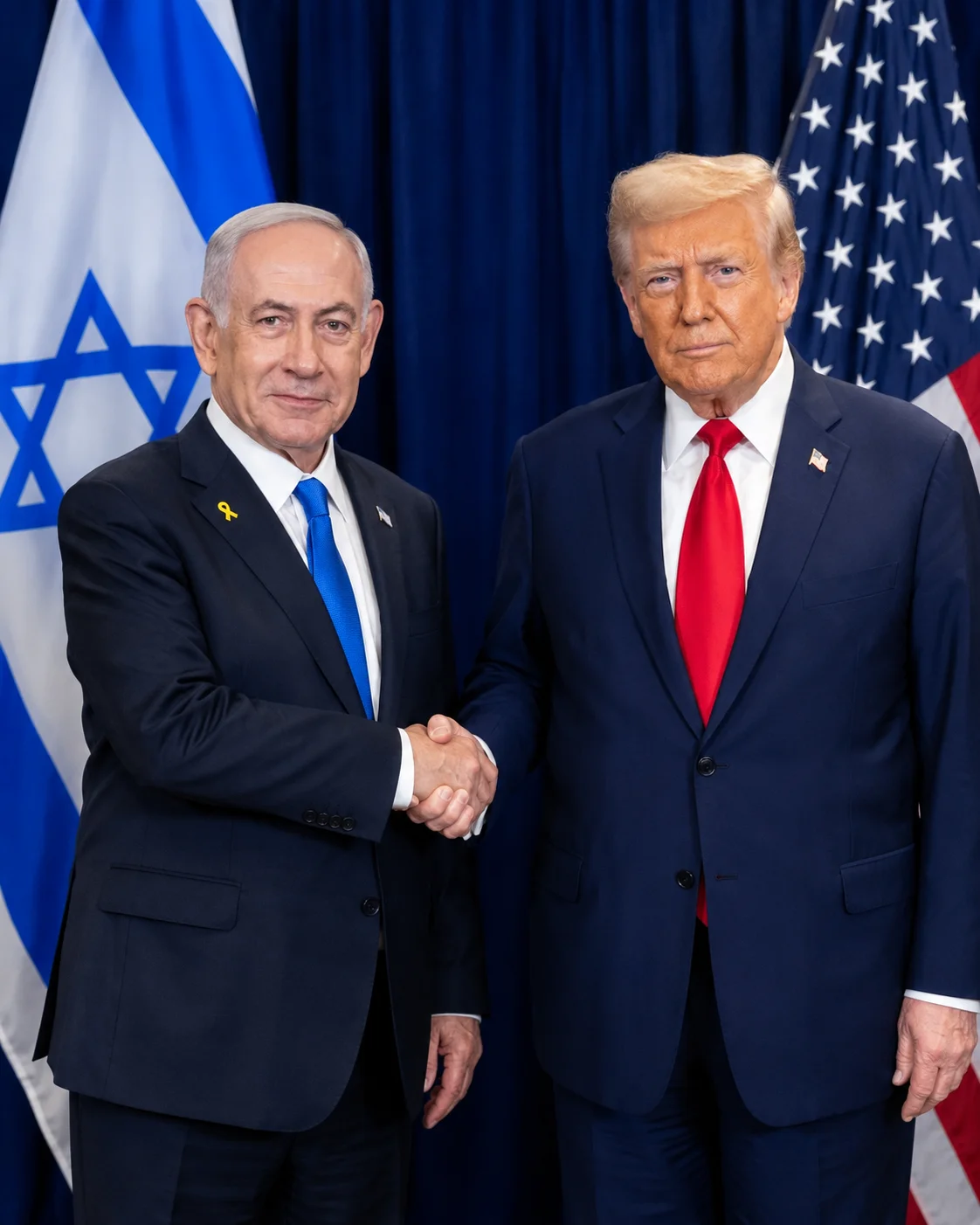
Once Aligned on Iran, the Two Leaders Now Appear Focused on Different Endgames
The relationship between U.S. President Donald Trump and Israeli Prime Minister Benjamin Netanyahu has long been viewed as one of the strongest alliances in modern international politics. Throughout recent conflicts involving Iran and its regional allies, the two leaders often appeared united in both rhetoric and action.
However, the latest developments in the Middle East suggest that their priorities may no longer be perfectly aligned.
Recent military exchanges involving Israel, Iran, and Hezbollah have exposed growing differences between Washington and Jerusalem over how the conflict should move forward. While both leaders continue to support their countries’ strategic partnership, analysts believe they are increasingly pursuing different objectives.
The question now being asked across diplomatic circles is simple: Are Trump and Netanyahu still fighting the same war, or are they pursuing different visions of victory?
A New Chapter in a Long-Running Conflict
The latest tensions emerged after Israel launched strikes linked to Hezbollah positions in Lebanon, including attacks near Beirut despite public warnings from President Trump against escalation. The strikes triggered a chain of events that quickly expanded beyond Lebanon’s borders.
Iran responded by launching ballistic missiles toward Israel, marking one of the most significant escalations since a ceasefire had reduced hostilities earlier in the year. Israel subsequently carried out retaliatory strikes against Iranian targets, raising fears that the region could slide back into a broader conflict.
Although direct fighting later eased and both sides signaled a willingness to avoid further escalation, the episode revealed a deeper political reality: Washington and Jerusalem may not agree on what comes next.
Why Is Trump Pushing for De-Escalation?
For President Trump, the conflict is no longer just a foreign policy issue. It is also connected to economic and political realities at home.
With elections approaching, the administration has shown increasing interest in reducing instability in the Middle East and preventing further disruptions to global energy markets. Analysts note that prolonged conflict could place additional pressure on fuel prices and economic confidence.
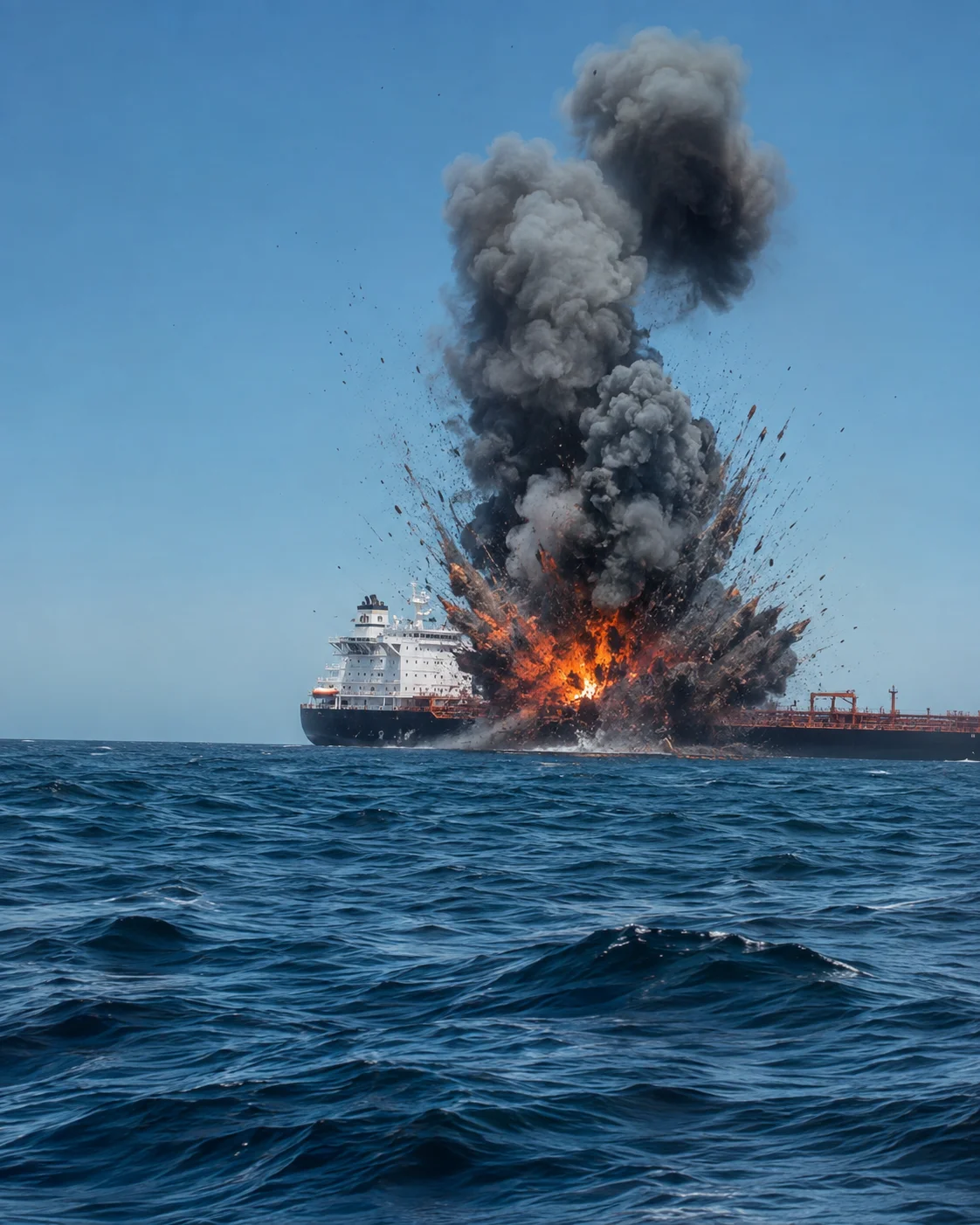
The Strait of Hormuz, one of the world’s most important oil transit routes, remains a major concern. Any prolonged conflict involving Iran could threaten shipping routes and increase global energy costs. This has made diplomacy a key component of Washington’s strategy.
Trump has repeatedly emphasized negotiations and publicly urged restraint after recent missile exchanges. Reports from multiple outlets indicate that he personally encouraged Netanyahu to avoid actions that could derail ongoing diplomatic efforts involving Iran.
Netanyahu Faces Different Pressures
While Washington appears focused on stabilizing the situation, Netanyahu faces a different set of political and security challenges.
Israel continues to confront threats from Hezbollah, which remains one of the most powerful armed groups in the region. For many Israeli voters, national security remains the primary concern.
Netanyahu must demonstrate that Israel can deter attacks and maintain military superiority against both Hezbollah and Iran-backed groups operating across the region. Critics within Israel have argued that any perception of weakness could have political consequences.
As a result, Netanyahu’s approach has often emphasized military pressure and deterrence rather than immediate compromise.
His government maintains that Israel has the right to defend itself against attacks and eliminate threats before they become larger security challenges.
The Beirut Strike That Changed the Conversation
One of the most significant moments in recent weeks came when Israel carried out strikes linked to Hezbollah targets in Beirut despite concerns raised by the United States.
According to multiple reports, American officials worried that such actions could provoke a wider regional confrontation and undermine sensitive negotiations involving Iran.
Those concerns proved well-founded when Iran responded with missile attacks against Israel, creating the most serious military exchange between the two countries since the earlier ceasefire.
The incident highlighted how quickly localized confrontations can escalate into regional crises involving multiple countries and armed groups.
Can Diplomacy and Military Pressure Coexist?
This question now sits at the center of the Middle East debate.
Some policymakers argue that military pressure is necessary to force adversaries into negotiations. Others believe diplomacy becomes nearly impossible when military operations continue simultaneously.
The Trump administration appears to favor a diplomatic path that combines deterrence with negotiations. Officials have repeatedly indicated that a broader agreement involving Iran remains a priority.
Iran, meanwhile, has maintained that any long-term arrangement must address military operations in Lebanon. Iranian officials have linked broader negotiations to developments on the Lebanese front.
This creates a difficult balancing act for all sides involved.
The Regional Impact Extends Beyond Israel and Iran
While headlines often focus on political leaders, the consequences of the conflict are being felt across the Middle East.
In Lebanon, ongoing military operations have contributed to displacement, infrastructure damage, and humanitarian concerns. Reports indicate that civilians continue to face uncertainty as fighting periodically intensifies.
Economic effects have also spread beyond the immediate conflict zone. Energy markets remain sensitive to developments involving Iran and major shipping routes, while investors continue monitoring regional stability.
For ordinary people living in affected areas, questions about security, economic stability, and the possibility of lasting peace remain unresolved.
A Strategic Alliance Under Pressure
Despite recent disagreements, few experts believe the U.S.-Israel alliance is in danger of collapsing.
The two countries maintain deep military, intelligence, and diplomatic ties that have developed over decades. However, differences over tactics and timing are becoming increasingly visible.
History shows that American and Israeli leaders have occasionally disagreed on strategy while maintaining strong overall relations. The current situation appears to fit that pattern.
The challenge for both governments will be managing these differences without weakening cooperation on broader regional issues.
What Happens Next?
The immediate crisis may have eased, but larger questions remain unanswered.
Will negotiations with Iran produce a lasting agreement?
Can Israel achieve its security objectives without triggering another major regional escalation?
Will Hezbollah reduce its military activities along Israel’s border?
And perhaps most importantly, can Washington and Jerusalem maintain a unified strategy while pursuing different political goals?
The answers will shape not only the future of the current conflict but also the broader balance of power across the Middle East.
Reality Check: Different Goals, Same Alliance
The latest developments reveal an important reality often overlooked in international politics. Allies do not always share identical objectives.
Trump appears focused on limiting the conflict, reducing economic risks, and creating conditions for diplomacy. Netanyahu remains concentrated on military deterrence and demonstrating security strength in a highly volatile region.
Both approaches are driven by domestic political pressures, strategic calculations, and national interests.
For now, the alliance remains intact. Yet the recent tensions show that even close partners can view the same conflict through very different lenses.
As negotiations continue and military tensions fluctuate, the world will be watching to see whether diplomacy or escalation ultimately shapes the next chapter of the Middle East crisis.
Source:
Associated Press (AP), Reuters, Axios, The Guardian, CBS News.
Our audience means everything to us.
Have feedback or suggestions to make us better? We’re always listening—feel free to get in touch with us at truthora2026@gmail.com


Leave a Comment