

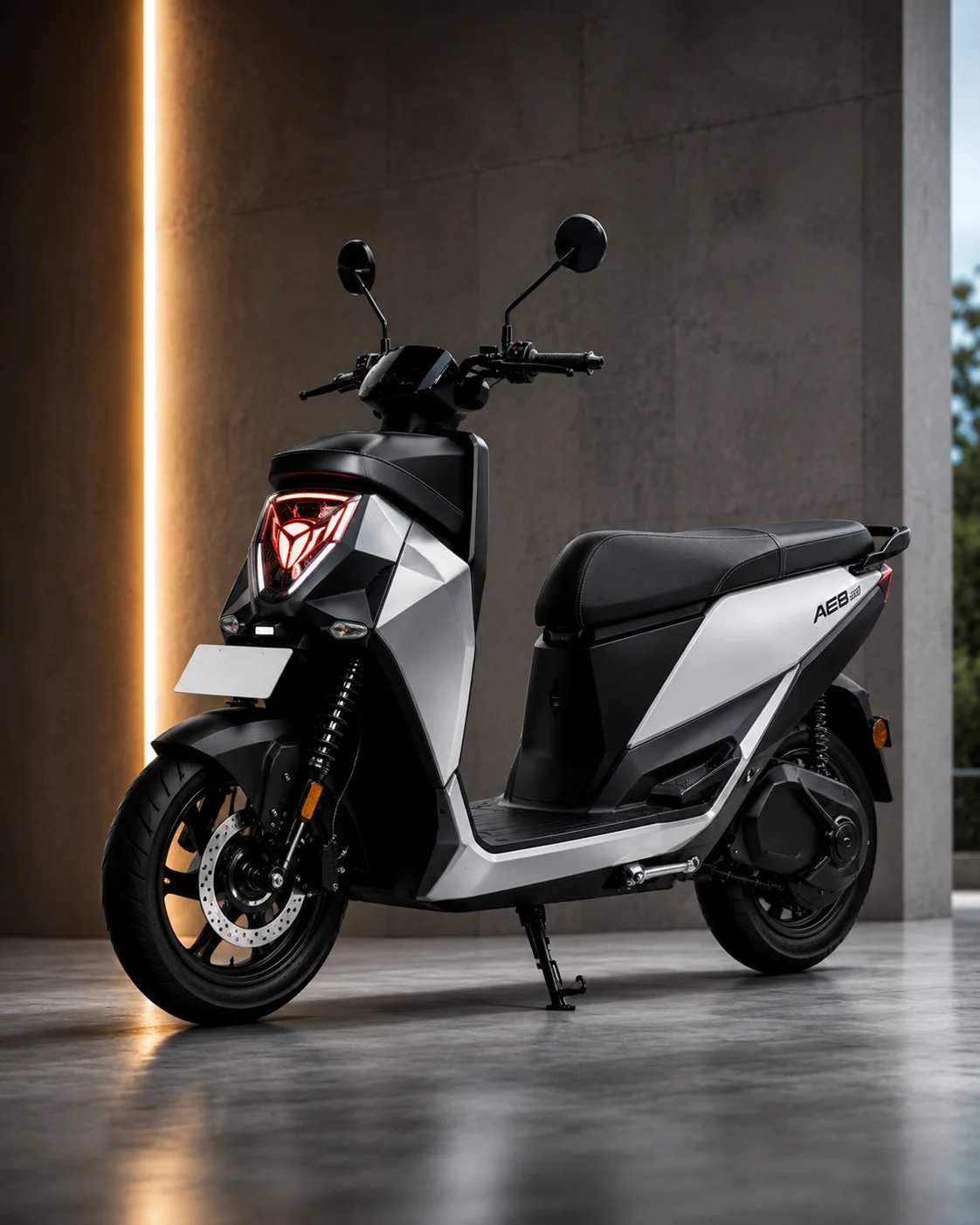
Electric Motorcycles in Karachi Face Growth Challenge Despite Rising Demand
Electric motorcycles in Karachi are attracting growing interest from commuters looking to reduce transportation costs, but industry representatives say the city’s deteriorating road infrastructure remains one of the biggest obstacles to wider adoption. While higher fuel prices and lower maintenance expenses are encouraging more people to consider electric two-wheelers, uneven roads and supply shortages continue to slow market growth.
According to Business Recorder, motorcycle dealers and EV manufacturers believe Karachi has significant long-term potential for electric mobility. However, they say better infrastructure and stronger policy support will be necessary before the city can match the pace of adoption seen in several cities across Punjab.
Rising Fuel Costs Drive Interest in Electric Motorcycles in Karachi
The increasing cost of petrol has prompted many commuters to explore electric motorcycles as a more affordable alternative for daily travel.
Dealers operating in Karachi’s well-known Akbar Road motorcycle market report a noticeable rise in customer interest over the past several months. The market has also witnessed a rapid increase in the number of dealerships dedicated to electric motorcycles, reflecting growing consumer awareness of EV technology.
Industry participants say electric motorcycles offer significantly lower running costs compared to conventional petrol-powered bikes. With electricity generally costing less than fuel and fewer mechanical components requiring regular servicing, many buyers view EVs as a practical long-term investment.
However, despite increasing demand, supply has struggled to keep pace.
Dealers Say Punjab Receives Priority for EV Deliveries
Manufacturers Focus on Higher-Demand Markets
Speaking to Business Recorder, auto and motorcycle analyst and Akbar Road dealer Muhammad Sabir Shaikh said demand for electric motorcycles currently exceeds available supply.
He explained that many assemblers are prioritising deliveries to cities in Punjab, including Lahore, Faisalabad, Rawalpindi, Islamabad, Gujranwala, Sahiwal and Gujrat, where demand is estimated to be substantially higher than in Karachi.
According to Shaikh, Karachi now has more than 25 electric motorcycle showrooms on Akbar Road and approximately 200 EV dealerships across the city. Most leading electric motorcycle brands have established between three and six dealerships within Karachi.
Despite this growing retail presence, Karachi ranks only fifth or sixth among Pakistani cities in electric motorcycle adoption.
Industry representatives attribute much of this difference to better road infrastructure in Punjab, which makes electric motorcycles a more attractive option for commuters.
Road Infrastructure Remains a Major Barrier
Poor Roads Affect Rider Confidence
Industry leaders believe Karachi’s deteriorating roads have become one of the biggest challenges facing the city’s expanding electric motorcycle market.
VLEKTRA Founder and CEO Syed Raza Mohsin told Business Recorder that Akbar Road serves as a reliable indicator of changing market trends, with dealers increasingly allocating showroom space to electric motorcycles.
He said many commuters are attracted by the opportunity to reduce monthly fuel expenses while also benefiting from lower maintenance costs because electric motorcycles do not require engine oil changes, clutch repairs or exhaust system maintenance.
However, Mohsin noted that Karachi continues to lag behind Lahore and several other Punjab cities in overall EV adoption.
According to him, the city’s road network was never designed for today’s traffic volume, making road conditions a significant concern for riders.
He stressed that long-term government investment is needed to improve road quality, resurface damaged streets and upgrade drainage systems to prevent repeated damage during the monsoon season.
Mohsin described these improvements as a long-term infrastructure challenge that cannot be resolved through short-term announcements alone.
Government Policies Could Encourage Greater EV Adoption
Industry representatives also believe government incentives could accelerate the transition towards electric mobility.
Mohsin pointed to Sindh’s Pink Bike Distribution Programme, introduced through the Sindh Mass Transit Authority, as a positive initiative. The programme provides subsidised electric scooters to women, encouraging greater participation in sustainable transportation.
He suggested that additional incentives could further support the market, including reduced vehicle registration fees and lower annual token taxes specifically for electric vehicles.
Such measures, he argued, would help make electric motorcycles more affordable for middle-income commuters, who remain the industry’s primary customer base.
Local Manufacturing May Reduce Future Costs
Reducing Dependence on Imported Components
Another challenge facing Pakistan’s electric motorcycle industry is its dependence on imported batteries and motors.
According to Mohsin, fluctuations in exchange rates directly affect production costs because many essential components continue to be sourced from overseas.
He said his company is working to increase localisation of manufacturing and aims to produce batteries and electric motors domestically by 2027.
If achieved, local production could reduce the industry’s exposure to currency volatility while helping stabilise prices for consumers over the long term.
Industry observers believe expanding local manufacturing would also strengthen Pakistan’s broader electric vehicle ecosystem by supporting local suppliers and reducing import dependence.
Buyback Programme Addresses Resale Concerns
One of the questions frequently raised by prospective EV buyers concerns the future resale value of electric motorcycles.
Mohsin acknowledged that uncertainty surrounding second-hand electric motorcycles remains a concern for many consumers.
To address this issue, VLEKTRA has introduced a buyback programme that allows customers to sell their motorcycles back to the company based on normal wear and tear.
According to Mohsin, the programme provides buyers with greater confidence by offering a predictable resale process rather than requiring them to search independently for private buyers in a relatively new used-EV market.
He added that the initiative also makes it easier for customers to upgrade to newer electric motorcycle models over time.
Pakistan’s EV Market Continues to Expand
Despite existing challenges, Pakistan’s electric motorcycle industry continues to grow.
Shaikh noted that 75 assemblers have applied for Engineering Development Board (EDB) production certificates, while more than 60 have already received certification. Several additional companies are currently completing the application process.
The growing number of certified manufacturers suggests increasing investment in Pakistan’s electric vehicle sector, even as infrastructure and supply challenges remain.
Industry experts believe that continued improvements in road infrastructure, supportive government policies, local manufacturing and expanded dealership networks will determine how quickly electric motorcycles become a mainstream transportation option in Karachi and across Pakistan.
Source:
- Business Recorder
Our audience means everything to us.
Have feedback or suggestions to make us better? We’re always listening—feel free to get in touch with us at editor@truthorahub.com




Leave a Comment