

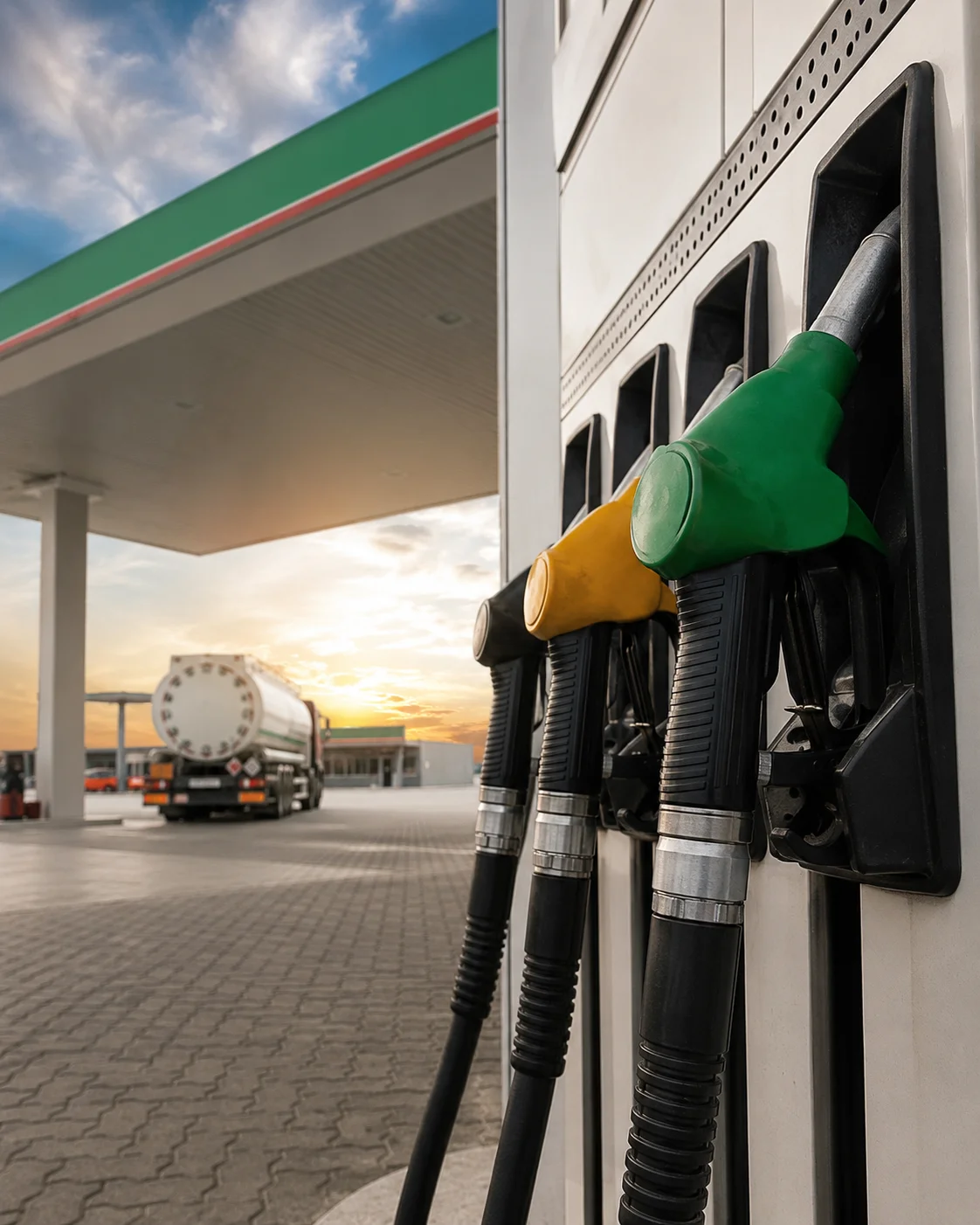
Petrol Price in Pakistan Increased as Government Announces New Fuel Rates
Petrol price in Pakistan has increased again after the federal government announced revised fuel prices effective from July 22, raising the cost of both petrol and high-speed diesel (HSD). According to a notification issued by the Ministry of Petroleum, petrol now costs Rs320.73 per litre, while high-speed diesel has risen to Rs367.21 per litre. The latest adjustment comes under the government’s newly introduced daily fuel pricing system, which links domestic petroleum prices more closely with movements in international oil markets.
The increase follows continued volatility in global crude oil prices, driven by renewed tensions in the Middle East and concerns over global energy supplies.
New Petrol and Diesel Prices
According to an official notification issued by the Ministry of Petroleum, fuel prices have been revised as follows:
- Petrol: Increased by Rs4.93 per litre, bringing the new price to Rs320.73 per litre.
- High-Speed Diesel (HSD): Increased by Rs7.15 per litre, taking the new price to Rs367.21 per litre.
The revised rates came into effect on July 22 and apply across Pakistan.
The latest increase follows another price revision made just a day earlier. On Monday, the government reduced the price of petrol by 35 paisas per litre for one day while increasing the price of HSD by Rs5.71 per litre.
Government Introduces Daily Fuel Price Mechanism
The latest price adjustment comes after the federal government introduced a daily petroleum pricing mechanism on Friday.
Previously, fuel prices were generally reviewed every fortnight. Under the new system, prices are now calculated daily using the seven-day average of international petroleum prices.
Officials say the move is intended to align Pakistan’s fuel pricing model with international standards and ensure that fluctuations in global oil markets are reflected more quickly in domestic prices.
As part of the new mechanism, the Oil and Gas Regulatory Authority (OGRA) will publish updated petroleum prices on its official website each day. The government says this approach is designed to improve transparency while allowing consumers and businesses to monitor price changes more closely.
Why Have Fuel Prices Increased?
The latest increase is linked to rising international oil prices.
According to government officials, global crude prices have climbed again following renewed hostilities involving Iran and the United States. The conflict has increased uncertainty in global energy markets, particularly because of concerns surrounding the Strait of Hormuz, one of the world’s most important oil shipping routes.
Any disruption in this strategic waterway could affect oil supplies to international markets, including Pakistan, resulting in higher import costs.
Officials said international market conditions remain volatile, making domestic fuel prices more sensitive to external developments.
Oil Prices Fell Before Rising Again
Before the latest increase, international oil prices had shown signs of easing after reports of an Iran-US peace understanding.
However, that downward trend was short-lived.
Fresh hostilities renewed concerns about regional stability, pushing crude oil prices higher once again. As Pakistan imports a significant portion of its petroleum requirements, domestic fuel prices continue to be influenced by developments in international energy markets.
The government’s new pricing system means these changes are now reflected much more quickly than before.
Concerns Over Fuel Supply
Apart from rising prices, officials have also expressed concern about the possibility of fuel supply disruptions if tensions in the Middle East continue.
Pakistan depends heavily on imported petroleum products, making uninterrupted shipping routes essential for maintaining adequate fuel stocks.
Although no shortage has been officially announced, authorities acknowledge that prolonged geopolitical instability could place additional pressure on fuel imports and supply chains.
Impact on Consumers and Businesses
The increase in fuel prices is expected to affect both households and businesses across Pakistan.
Transport Sector
High-speed diesel is widely used by buses, trucks, commercial vehicles and freight operators. Higher diesel prices often lead to increased transportation costs, which may eventually influence the prices of goods delivered across the country.
Agriculture
Diesel is also a major fuel source for tractors, tube wells and agricultural machinery. Rising HSD prices can increase farming costs during cultivation and harvesting seasons.
Private Vehicle Owners
Petrol is mainly used by motorcycles, cars and other light vehicles. Millions of commuters are likely to experience higher daily transportation expenses following the latest increase.
Officials also noted that petrol consumption has risen after restrictions on the use of indigenous gas in Punjab, placing additional demand on petroleum products.
Daily Price Updates to Continue
With the introduction of daily fuel pricing, motorists can expect petroleum rates to change more frequently depending on international market conditions.
OGRA will continue publishing updated prices on its official platform whenever adjustments become applicable.
The government maintains that the new pricing mechanism allows consumers to benefit more quickly when international oil prices decline, while also ensuring that increases are reflected without delay when global markets rise.
Why This Matters
Fuel prices play a critical role in Pakistan’s economy.
Changes in petrol and diesel rates affect transportation costs, agricultural production, industrial operations and household expenses. Rising fuel prices can also contribute to broader inflation by increasing the cost of moving goods and providing services.
With global energy markets continuing to respond to geopolitical developments, Pakistan’s new daily pricing system means consumers may see more frequent adjustments in petroleum prices going forward.
Authorities have indicated that future fuel prices will continue to depend largely on international oil trends and exchange rate movements.
Source:
- Ministry of Petroleum notification
- Oil and Gas Regulatory Authority (OGRA)
- Statements by government officials
Our audience means everything to us.
Have feedback or suggestions to make us better? We’re always listening—feel free to get in touch with us at editor@truthorahub.com





Leave a Comment