

Is the Middle East Heading Toward a Wider Conflict?
The Middle East is once again standing on the edge of dangerous uncertainty. From rising tensions between Iran and the United States to fresh drone attacks targeting Gulf nations, the region is witnessing a rapid escalation that could reshape global politics, oil markets and regional security.
While ceasefire efforts continue behind closed doors, military warnings, secret operations and growing distrust are raising a troubling question: is diplomacy failing once again?
Over the past few days, new developments involving Iran, Israel, Iraq and Gulf countries have intensified fears of another major regional crisis — one that could directly affect international trade, energy supplies and global stability.
Iran Says Talks With the US Continue Through Pakistan
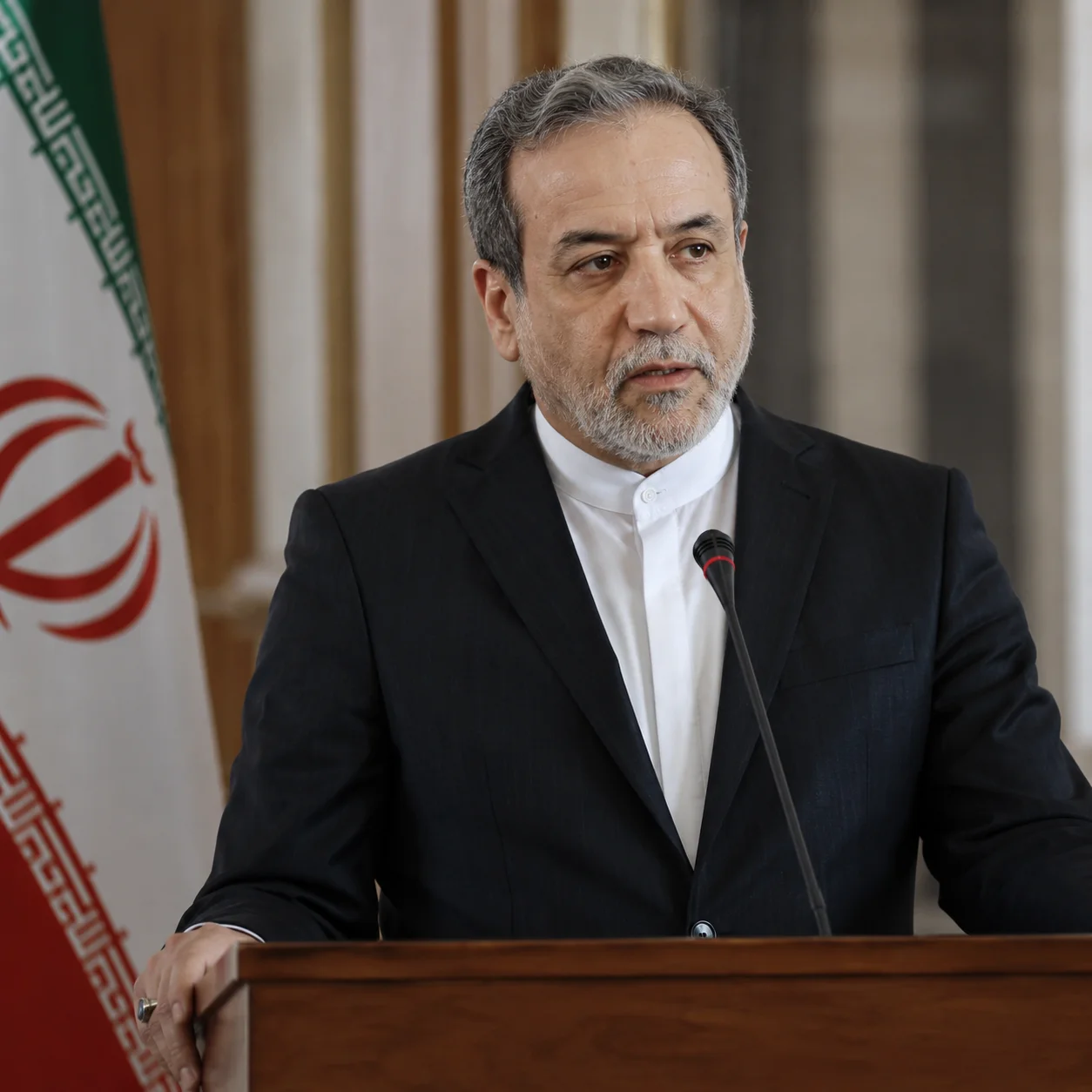
Iranian Foreign Ministry spokesperson Esmaeil Baghaei confirmed that indirect discussions between Tehran and Washington are still ongoing through Pakistani mediation.
According to Iran’s semi-official Tasnim News Agency, Baghaei rejected speculation surrounding uranium enrichment and nuclear material issues, saying such claims had “no basis.”
The statement highlights Pakistan’s growing diplomatic role as tensions continue to rise between Tehran and Washington.
Interestingly, Baghaei also stressed that Iran holds “no enmity” toward regional countries and urged neighbouring states to learn from recent conflicts.
He argued that the continued military presence of America in the region has brought instability rather than security — a narrative Iran has repeatedly used over the years.
Gulf Nations Condemn Drone Attacks on Saudi Arabia and UAE
Meanwhile, Gulf countries are becoming increasingly alarmed after multiple drone incidents targeted regional infrastructure.
Kuwait and Qatar strongly condemned drone attacks aimed at Saudi Arabia, with Saudi officials saying the drones entered from Iraqi airspace.
According to reports, Saudi air defence systems intercepted and destroyed three hostile drones before they could reach critical targets.
Qatar described the attacks as a direct violation of Saudi sovereignty, while Kuwait said the incident violated United Nations Security Council resolutions designed to protect Gulf infrastructure.
At the same time, Oman condemned another drone-related incident involving a fire near the Barakah Nuclear Power Plant in the United Arab Emirates.
The attack has raised serious concerns about the safety of civilian and nuclear infrastructure during escalating regional tensions.
UN Warns Against Attacks on Nuclear Facilities
Antonio Guterres expressed deep concern over reports of drone strikes near the UAE nuclear facility.
The UN chief warned that attacks involving civilian infrastructure — especially nuclear sites — are unacceptable under international law.
His statement reflects growing international anxiety about how quickly regional tensions could spiral out of control if critical infrastructure becomes a direct target.
Could attacks on nuclear facilities push the region toward a completely new level of crisis? Many experts fear exactly that.
Iran Issues Strong Warning Over US Naval Blockade
One of the strongest reactions came from senior Iranian military adviser Mohsen Rezaei, who warned that the Gulf of Oman could become a “graveyard” for American ships if tensions continue escalating.
Iran accused the US of treating its naval blockade as an act of war after Washington increased pressure on Iranian maritime activity following renewed conflict earlier this year.
Rezaei argued that Iran’s patience should not be misunderstood as weakness.
He also questioned America’s continued military presence in the Gulf, saying the Cold War-era justifications no longer exist.
Iran insists the Strait of Hormuz remains open for trade, but warned that foreign military build-ups threatening regional security would not be tolerated.
Why the Strait of Hormuz Matters to the Entire World
The Strait of Hormuz is one of the most important oil transit routes on Earth.
A significant portion of global oil exports passes through the narrow waterway every day. Any disruption there immediately affects international oil prices, shipping costs and energy markets worldwide.
This explains why even limited military escalation in the Gulf quickly impacts economies far beyond the Middle East.
And markets are already reacting.
Oil Prices Climb as Fear Returns to Global Markets
Global oil prices surged after reports suggested ceasefire talks had stalled and military preparations were intensifying.
Brent crude crossed $111 per barrel, while US crude prices also climbed sharply. Analysts say traders are worried about the possibility of prolonged conflict affecting shipping routes and energy supplies.
Economic experts warn that sustained instability could fuel global inflation and keep interest rates higher for longer periods.
In simple terms, conflict in the Middle East does not stay limited to the region — it directly affects fuel prices, transportation costs and living expenses worldwide.
Reports Claim Israel Built Secret Military Bases in Iraq
Another explosive development came after reports by The New York Times and The Wall Street Journal claimed that Israel had secretly established covert military sites in Iraq’s western desert.
The alleged facilities were reportedly used for refuelling, medical support and operational planning during tensions involving Iran.
One report claimed Iraqi shepherd Awad al-Shammari discovered unusual military activity near al-Nukhaib earlier this year before later being found dead under mysterious circumstances.
Iraqi officials have denied authorising any foreign military presence inside the country.
Still, the reports have intensified concerns about hidden military operations taking place across the region without public knowledge.
Iraq Tries to Distance Itself From Regional Conflict
Iraqi officials are now trying to reassure the public that Iraq will not become a launchpad for attacks against neighbouring countries.
Military spokesman Sabah al-Numan stated that Baghdad’s policy focuses on avoiding regional conflicts and maintaining domestic stability.
Prime Minister Ali Al-Zaidi has also pledged to strengthen state control over weapons and armed activity.
But many observers question whether Iraq can realistically remain neutral while regional powers continue operating across its territory.
Israel Reportedly Preparing for Possible New Strikes
Israeli media reports suggest the Israeli military has entered a state of heightened readiness amid fears of renewed confrontation with Iran.
Reports also claimed that US cargo planes carrying ammunition from bases in Germany recently arrived in Tel Aviv as part of preparations for potential future operations.
Israeli broadcasters further reported that former US President Donald Trump and Israeli Prime Minister Benjamin Netanyahu recently discussed the possibility of renewed military action.
At the same time, reports indicate Trump is facing international pressure — including from China — to avoid another military escalation and instead pursue diplomacy.
Political Divisions Growing Inside America
The possibility of deeper US involvement is also creating divisions within American politics.
Former US congresswoman Marjorie Taylor Greene publicly warned that sending American troops into Iran could trigger a “political revolution” inside the United States.
Her comments reflect growing fatigue among many Americans after decades of military involvement in the Middle East.
Calls to avoid another war are becoming louder across parts of the US political landscape.
Is the Region Moving Toward Another Dangerous Chapter?
The Middle East today appears trapped between diplomacy and confrontation.
On one side, countries are still holding indirect talks and ceasefire negotiations. On the other, military warnings, drone attacks, covert operations and rising oil prices suggest the region remains dangerously unstable.
The reality is becoming increasingly difficult to ignore: even temporary ceasefires no longer guarantee peace.
For millions of people across the Middle East, uncertainty has become part of daily life. And for the rest of the world, every escalation in the region brings economic and political consequences that extend far beyond its borders.
The biggest question now is whether diplomacy can still prevent a wider conflict — or whether the region is slowly moving toward another major crisis.
Source:
Tasnim News Agency, Al Jazeera, The New York Times, The Wall Street Journal
Our audience means everything to us.
Have feedback or suggestions to make us better? We’re always listening—feel free to get in touch with us at ayesha@linen-rat-910062.hostingersite.com







Leave a Comment