

Are Emojis About to Change Forever?
For years, emojis have quietly become one of the most important parts of online communication. Whether it’s a laughing face in a WhatsApp message, a heart reaction on Instagram, or a skull emoji used in memes, these tiny digital symbols now shape how billions of people express emotions online.
But now, Google is preparing one of the biggest emoji redesigns in recent years — and not everyone is happy about it.
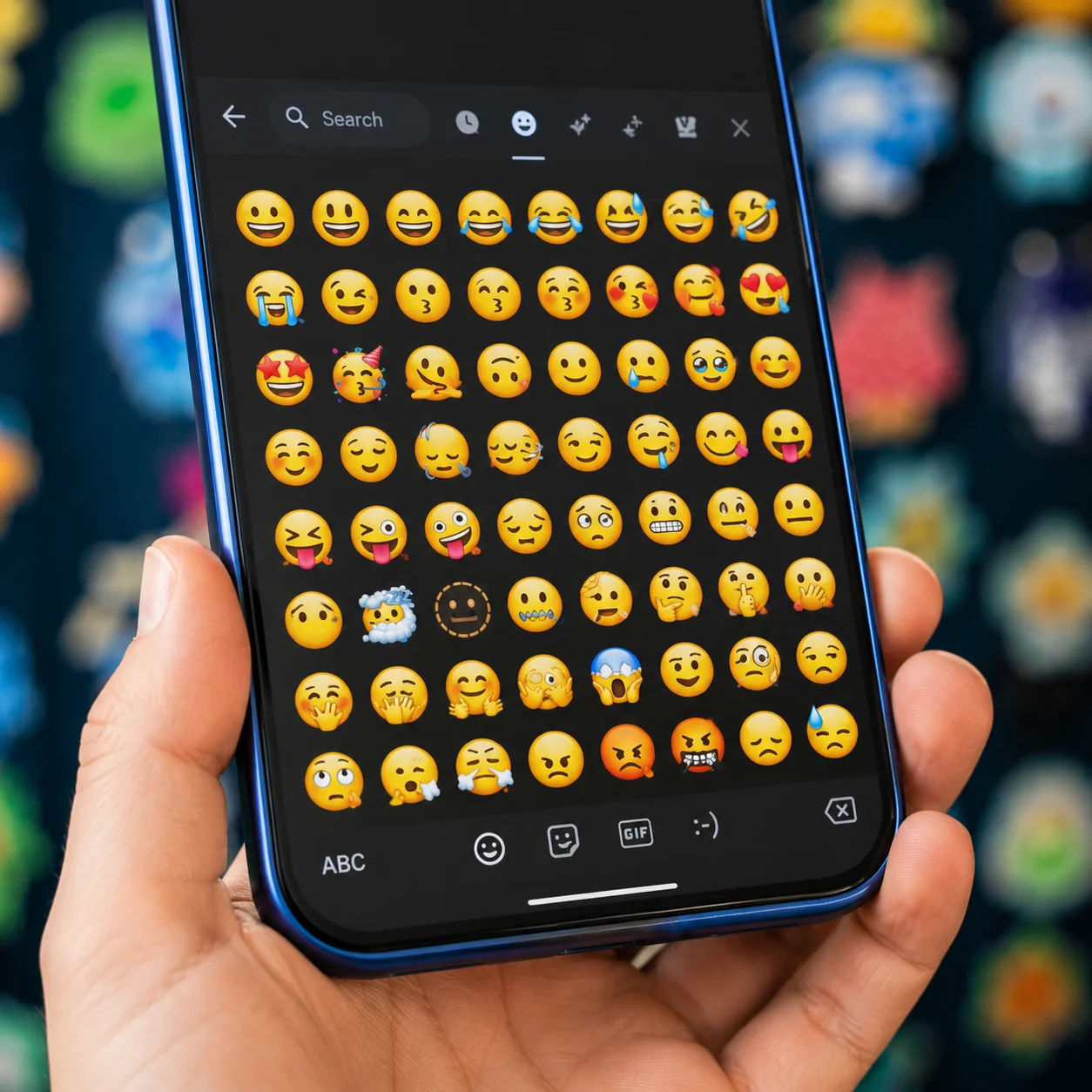
A newly leaked preview of Google’s upcoming 3D emoji collection has surfaced online, giving users a much closer look at the dramatic visual overhaul expected to arrive with Android 17 later this year.
The redesign includes more than 4,000 updated emojis, featuring new facial expressions, redesigned animals, refreshed objects, and enhanced visual depth. Some users are calling the changes modern and exciting. Others believe Google may be losing its unique identity by making its emojis look too similar to rivals like Apple and Samsung.
So what exactly is changing? Why are people reacting so strongly? And could this become one of Android’s most controversial design updates in years?
Let’s take a deeper look.
The Emoji Redesign That Nobody Expected
Earlier this week, Google officially teased its new emoji designs during “The Android Show,” giving viewers a quick preview of the upcoming visual refresh planned for Pixel devices and future Android updates.
At first, many people assumed the redesign would be minor.
But shortly afterward, a much larger leak appeared online, revealing hundreds of redesigned emojis from Google’s upcoming “Noto 3D Emoji” library.
The leak, reportedly shared by online source RKBDI through social media platforms including Twitter/X and Telegram, showcased roughly 250 redesigned emojis from the larger collection.
And immediately, the internet started debating.
Some users loved the cleaner and more expressive 3D look.
Others called them strange, overly glossy, or suspiciously similar to Samsung and Apple’s emoji styles.
One thing became very clear: emojis matter more to people than most companies realize.
Why Emojis Are Such a Big Deal Today
At first glance, redesigning emojis may seem unimportant. After all, they are just tiny icons on a screen.
But in reality, emojis have evolved into a universal digital language.
People now use emojis to:
- Express emotions quickly
- Replace words in conversations
- Build online identity
- Create memes and internet culture
- Add personality to social media posts
- Soften messages during texting
In many ways, emojis influence modern communication almost as much as words themselves.
That is why even small design changes can create massive reactions online.
Remember when Apple changed the gun emoji into a water pistol? Or when users argued over whether a laughing emoji looked creepy after an update?
Emoji redesigns may seem small technically, but emotionally they affect millions of daily interactions.
What’s Actually Changing in Google’s New 3D Emojis?
According to the leaked images, Google’s new emoji system introduces major visual upgrades focused on depth, lighting, texture, and facial expression.
The older flat-style emojis are being replaced with more rounded, dimensional, and glossy 3D appearances.
Some of the most noticeable changes include:
Facial Emojis
Many face emojis now appear more expressive and animated. Smiles, tears, eyes, and shading look far more detailed than before.
However, critics argue the faces now resemble Samsung’s emoji style too closely.
Some users even believe Google is slowly drifting toward Apple-inspired aesthetics instead of maintaining its own design language.
Animal Emojis
Animal emojis received mixed reactions online.
Some designs remain very close to their original appearance, while others changed significantly.
The turtle emoji, for example, still resembles Google’s classic design, but symbols like the skull emoji now look dramatically different with stronger shadows and 3D depth.
Users online described some redesigns as “cute,” while others called them “too cartoonish.”
Moon Phases and Object Emojis
One area where many users agree Google improved things is object and astronomy emojis.
The moon phase emojis especially received praise for looking cleaner, more realistic, and visually polished.
Objects such as tools, symbols, and household items also appear more detailed with improved lighting effects.
Google Confirms the Emojis Are Human-Made — Not AI Generated
One surprising controversy emerged almost immediately after the leak.
Some social media users assumed the new emoji collection was generated using artificial intelligence because of the glossy textures and highly polished appearance.
But Google quickly clarified that the emoji redesigns were created by human designers — not AI tools.
That detail matters because the debate around AI-generated art has become increasingly heated worldwide.
Many artists fear companies could eventually replace human creativity with generative AI systems.
By confirming human involvement, Google likely wanted to avoid criticism from designers and creative communities.
Still, the discussion shows how difficult it has become to distinguish between AI-created visuals and human-made artwork in today’s digital world.
Why People Are So Divided Over the New Look
The emotional reactions online reveal something interesting about modern technology culture.
People become deeply attached to visual systems they use daily.
Emojis are not just graphics anymore. They are emotional habits.
A small tweak to a favorite emoji can suddenly feel personal.
Some Android users argue Google’s older emoji style had more individuality and charm. Others believe the flat designs looked outdated compared to competitors.
Meanwhile, supporters of the redesign say the new emojis finally feel modern and premium.
This debate reflects a larger trend happening across the tech industry.
Companies increasingly push toward polished, universal design systems that look similar across platforms.
But users often miss the unique visual identities older designs had.
The result is a constant tension between modernization and originality.
Is Google Slowly Copying Apple and Samsung?
One criticism appearing repeatedly online is that Google’s emojis now resemble those found on Samsung and Apple devices.
This accusation is not entirely new.
For years, smartphone companies have gradually moved toward visually similar user interfaces because users expect consistency between apps and platforms.
However, longtime Android fans worry Google may be losing the playful identity that once made Android feel different from iPhones.
Some social media users pointed specifically to:
- Rounded facial expressions
- Glossy textures
- Similar eye styling
- Soft shadow effects
These details remind many users of Apple’s emoji ecosystem.
Ironically, some critics also argue Samsung itself borrowed heavily from Apple’s emoji design style years ago.
Now people fear Google is joining the same trend.
The Hidden Business Side of Emojis
While emojis appear fun and harmless, companies treat them very seriously behind the scenes.
Why?
Because visual design affects user experience, branding, and emotional engagement.
Every platform wants users to feel comfortable, expressive, and emotionally connected while using their products.
Even small emoji redesigns can impact:
- Social media engagement
- Messaging experiences
- Brand recognition
- User satisfaction
- Platform identity
Tech companies spend enormous resources refining visual systems because they know users notice every detail.
And with billions of emoji messages sent daily worldwide, these tiny icons carry massive cultural influence.
Why Android 17 Could Become a Major Visual Shift
The upcoming Android 17 update is already generating interest for its broader visual changes, but the emoji redesign may become one of its most discussed features online.
Google plans to introduce the new emoji collection first on Pixel devices before expanding to more Android products later.
Leaks suggest the complete library contains more than 4,000 redesigned emojis.
That means nearly every commonly used emoji could look different in some way.
For users who spend hours daily on messaging apps, social media platforms, and content creation, these changes will become impossible to ignore.
Social Media Is Already Turning the Emojis Into Memes
As expected, the internet responded instantly with jokes, memes, and side-by-side comparisons.
Some users mocked certain facial expressions for looking overly dramatic.
Others joked that Android emojis are slowly “becoming iPhones.”
Meanwhile, many content creators praised the cleaner visual quality and modernized design approach.
This reaction highlights how emoji culture itself has become entertainment.
People now analyze, compare, rank, and meme emojis almost like celebrities or fashion trends.
That level of emotional investment may sound strange, but it reflects how deeply digital culture shapes modern identity.
The Bigger Question: Should Emojis Keep Changing?
The controversy also raises an interesting philosophical question.
Should emojis constantly evolve, or should companies preserve familiar designs?
Technology companies face a difficult challenge.
If they never update visuals, users call the designs outdated.
But if they change too much, people complain the original personality is gone.
Finding the balance between innovation and familiarity is one of the hardest parts of modern design.
Google’s new 3D emoji collection may become another example of this ongoing struggle.
What Happens Next?
For now, the redesigned emojis remain unreleased officially.
Google is expected to roll them out with Android 17 later this year, beginning with Pixel devices before broader expansion.
As more leaks appear, public reactions will likely grow even stronger.
Some users may eventually love the redesign after using it daily.
Others may continue missing the older Android style.
But one thing is guaranteed:
When Android 17 launches, millions of people will immediately start comparing emojis online.
Because in today’s internet culture, even the smallest digital face can spark a worldwide debate.
Source:
Information gathered from reports and discussions connected to Google Android, coverage surrounding “The Android Show,” and leaked previews shared through online tech communities and social media discussions involving Google’s upcoming Noto 3D Emoji library.
Have feedback or suggestions to make us better? We’re always listening—feel free to get in touch with us at ayesha@linen-rat-910062.hostingersite.com









Leave a Comment