

Can One Tax System Change Pakistan’s Business Landscape?
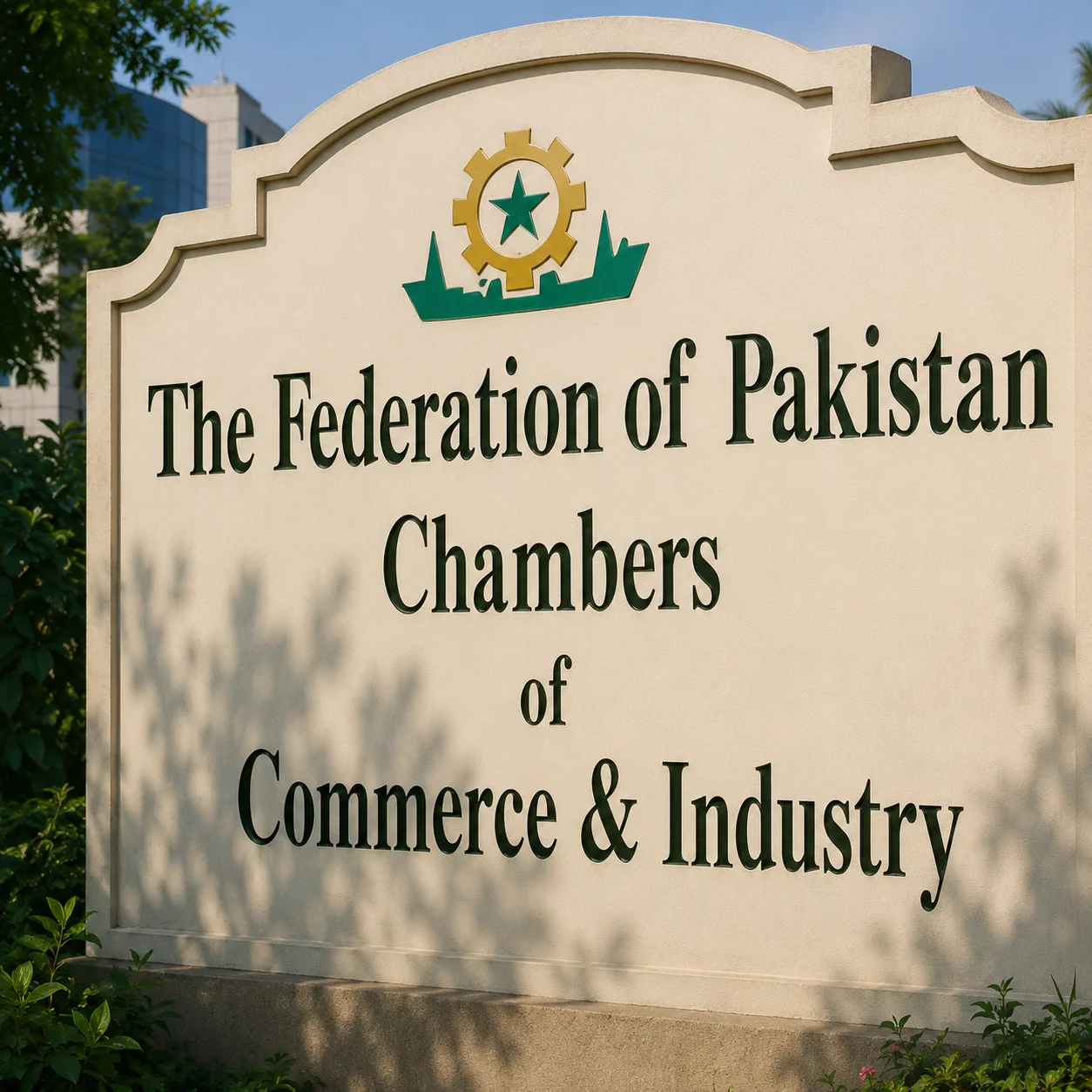
Pakistan’s business community is once again urging the government to simplify the country’s complicated taxation structure. The Federation of Pakistan Chambers of Commerce and Industry (FPCCI) has called for the introduction of a unified national sales tax compliance system, arguing that the current provincial tax setup is creating hurdles for businesses instead of supporting economic growth.
Business leaders believe that multiple tax systems across provinces are increasing compliance burdens, raising production costs, and discouraging exports at a time when the economy needs stability and investment the most.
FPCCI Demands a Single-Window Tax Compliance Platform
Speaking about the federation’s recommendations for the upcoming federal budget, FPCCI Senior Vice-President Saquib Fayyaz Magoon stressed the need for a single digital platform that would handle sales tax registration, filing, and payments nationwide.
According to him, businesses currently face unnecessary complications because each province follows separate tax procedures. A centralised digital system, he argued, could reduce confusion, improve compliance, and make doing business in Pakistan much easier.
Could this finally help businesses save time and lower operating costs? Many in the industry believe so.
Why Is FPCCI Asking for the Return of FTR?
Another major demand from FPCCI is the restoration of the Final Tax Regime (FTR). Business representatives say the removal of FTR has increased financial pressure on industries and exporters.
FPCCI leaders argue that restoring FTR would help improve Pakistan’s export competitiveness and encourage business expansion. They claim the current taxation framework, along with multiple layers of taxes, is making local products more expensive in international markets.
The federation also criticised the increase in additional taxation, saying that the burden on manufacturers has risen sharply in recent years.
Businesses Raise Concerns Over Super Tax
The chamber has also strongly opposed the continuation of the super tax, calling it a direct burden on production costs.
Industry stakeholders believe that higher taxes are hurting exporters who are already struggling with inflation, rising utility bills, and economic uncertainty. According to FPCCI representatives, reducing tax pressure could improve industrial growth and create better opportunities for investment.
Push for a Cashless and Digitised Economy
FPCCI is also encouraging the government to accelerate Pakistan’s shift toward a cashless economy.
Officials say promoting digital financial technology can help document the economy, widen the tax base, and improve transparency in transactions. They proposed offering incentives to consumers at retail outlets through digital payment systems and fintech cards.
Would digital payments finally reduce undocumented transactions in Pakistan? Experts say stronger fintech adoption could play a major role in modernising the economy.
IT Sector Could Become Pakistan’s Biggest Opportunity
FPCCI Executive Committee member Adeel Siddiqui highlighted the rapid growth of Pakistan’s IT exports and urged policymakers to provide long-term tax relief to the sector.
He proposed capping taxes on IT exports at just 0.25% until 2035 to encourage further expansion. According to him, Pakistan’s IT industry has witnessed massive growth over the years and now has the potential to become a key source of foreign exchange earnings.
Many experts believe Pakistan’s technology sector could become the country’s next economic success story if consistent policies and investor-friendly reforms are introduced.
Corporate Tax Reduction Also Suggested
FPCCI has additionally recommended lowering the corporate income tax rate for manufacturers from 29% to at least 25%.
Business leaders argue that Pakistan’s corporate tax rates are significantly higher compared to many other countries, where rates generally range between 21% and 24%. They believe lower taxes could attract investment, support industries, and improve overall competitiveness.
Will the Government Accept These Proposals?
As Pakistan prepares for the upcoming federal budget, the business community is hoping policymakers will seriously consider these recommendations.
From tax reforms to digital payments and export support, FPCCI believes structural changes are urgently needed to revive confidence in the economy. Whether the government adopts these proposals or not could shape the future of businesses, exports, and investment in the coming years.
Source:
Our audience means everything to us.
Have feedback or suggestions to make us better? We’re always listening—feel free to get in touch with us at truthora2026@gmail.com









Leave a Comment