

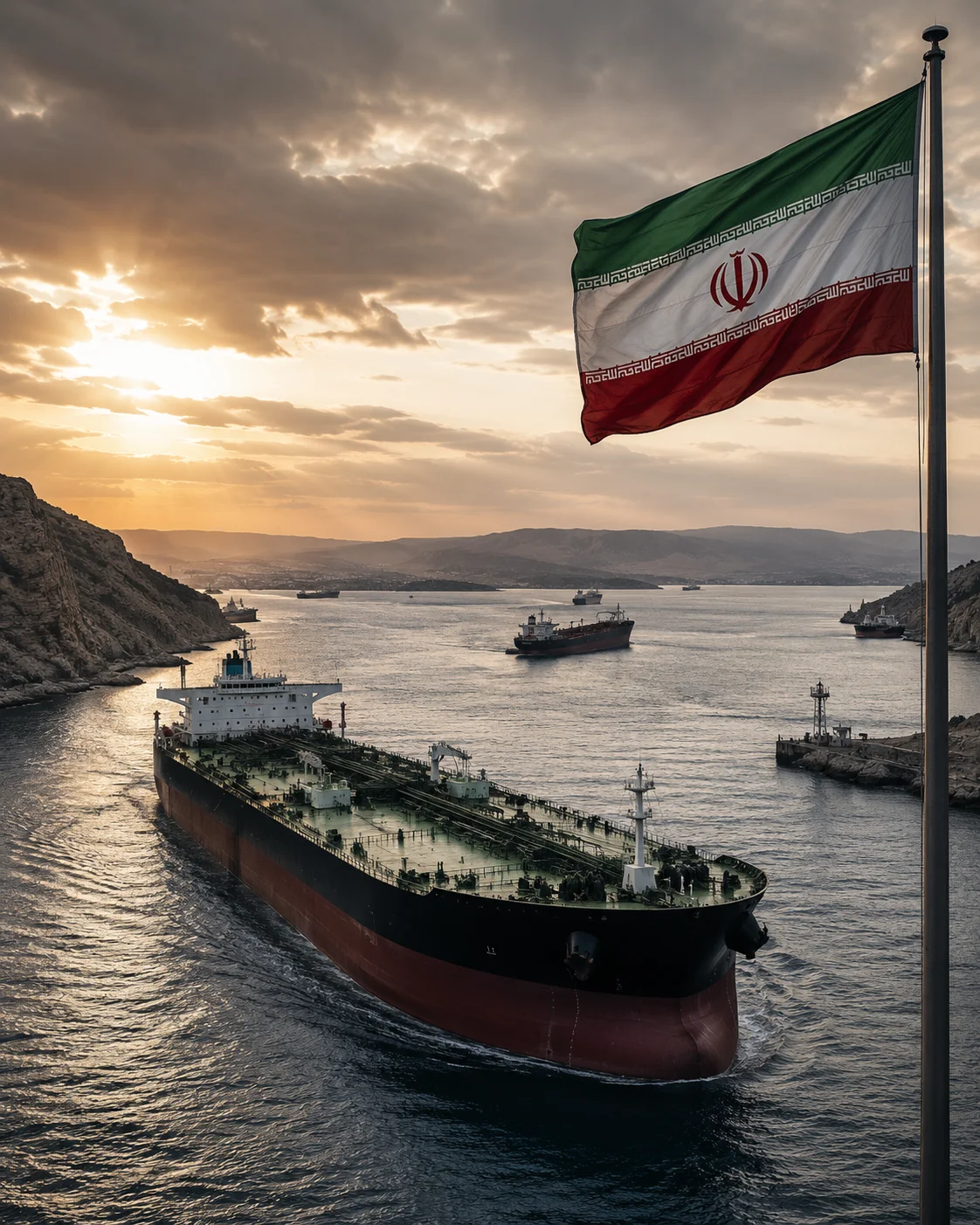
Iran-US Conflict Escalates as Tehran Warns of More Regional Trade Route Closures
The Iran-US conflict has entered another tense phase after Iran warned it could expand restrictions on key regional oil and gas export routes following fresh US military strikes. The latest exchange of threats has raised concerns about energy security, global shipping, and stability across the Middle East.
According to BBC News, Iran’s Revolutionary Guards said the Strait of Hormuz would remain closed until the United States ends what Tehran described as “acts of aggression.” The group also warned that additional regional export routes serving US interests and those of its allies could face disruption, although it did not specify which routes it was referring to.
The developments come after the US military announced new operations targeting Iranian military sites, while President Donald Trump warned that additional strikes could follow if Iran does not return to negotiations.
Fresh US Military Operations Increase Pressure
The United States Central Command (Centcom) said its forces conducted another series of military operations against Iranian targets on Wednesday. According to the military, the campaign included drone, naval, and air strikes, following an overnight operation that reportedly lasted around seven hours.
US officials have not released extensive details about all of the targets involved, but the latest operations represent another escalation in military pressure on Iran amid continuing tensions between the two countries.
The renewed military activity follows a series of confrontations that have significantly increased security concerns across the Gulf region.
Iran Warns Additional Trade Routes Could Be Closed
Strait of Hormuz Remains Central to the Dispute
Iran’s Revolutionary Guard Corps (IRGC) stated that the Strait of Hormuz would remain closed until the United States stops what Iran describes as military aggression.
The Strait of Hormuz is among the world’s most strategically important maritime passages, connecting the Persian Gulf to international waters. A substantial share of global crude oil and liquefied natural gas exports passes through this narrow shipping corridor, making any disruption a major concern for international energy markets.
In addition to maintaining its position on the Strait of Hormuz, the IRGC warned that other oil and gas export routes benefiting the United States and its allies could also be affected.
However, Iranian officials did not identify which additional shipping routes they were referring to or explain how such restrictions might be implemented.
Trump Signals Possibility of Further Military Action
President Donald Trump indicated that the United States could expand its military campaign if Iran refuses to resume diplomatic talks.
Speaking during an interview aired on Fox News’ Special Report with Bret Baier, Trump said the US could eventually target Iranian energy infrastructure.
He stated that bridges and power facilities could be struck before energy-related targets are considered, adding that oil and energy infrastructure would be left until later in any potential military campaign.
The remarks represent another increase in political pressure as Washington seeks to influence Tehran’s decisions regarding negotiations.
US Tightens Maritime Restrictions
Alongside military operations, the United States has also strengthened economic and maritime measures against Iran.
A renewed US blockade affecting Iranian ports came into force on Tuesday evening. The restrictions are intended to prevent vessels from travelling to and from Iranian ports and coastal waters under the scope of the US measures.
The move adds another layer of pressure on Iran’s economy, which has already faced years of sanctions affecting trade, shipping, and financial transactions.
Iran has strongly criticised the latest restrictions, arguing they are part of broader US efforts to increase economic pressure.
Reports of Regional Attacks
Iran’s state-run broadcaster separately reported that Iranian forces had launched attacks targeting US positions in Jordan, Kuwait, and Bahrain.
The claims have not been independently verified.
Meanwhile, US allies in the region stated that they intercepted drones and missiles allegedly launched from Iran before they reached their intended targets.
Authorities have not released complete assessments regarding damage or casualties associated with the reported attacks.
Why the Strait of Hormuz Matters
A Critical Route for Global Energy
The Strait of Hormuz has long been viewed as one of the world’s most important maritime chokepoints.
Oil producers across the Gulf rely heavily on the passage to transport crude oil and natural gas to international markets. Any prolonged disruption could affect global energy supplies, increase transportation costs, and contribute to higher oil prices.
Because many countries depend on energy exports moving through the Gulf, developments involving the Strait of Hormuz are closely monitored by governments, shipping companies, and financial markets.
Security experts have repeatedly warned that instability in the area carries economic consequences extending well beyond the Middle East.
Diplomatic Outlook Remains Uncertain
The latest military exchanges and political statements suggest that tensions between Washington and Tehran remain high despite ongoing international calls for restraint.
While President Trump continues to push for negotiations, his administration has simultaneously increased military operations and economic restrictions.
Iran, on the other hand, has maintained that continued military pressure will be met with what it describes as defensive responses.
At present, there is no indication that both sides are close to resuming direct talks, leaving uncertainty over whether the situation will stabilise or escalate further.
Governments across the region are continuing to monitor developments closely due to the potential impact on regional security, international trade, and global energy markets.
Source:
- BBC News
Our audience means everything to us.
Have feedback or suggestions to make us better? We’re always listening—feel free to get in touch with us at editor@truthorahub.com






Leave a Comment