

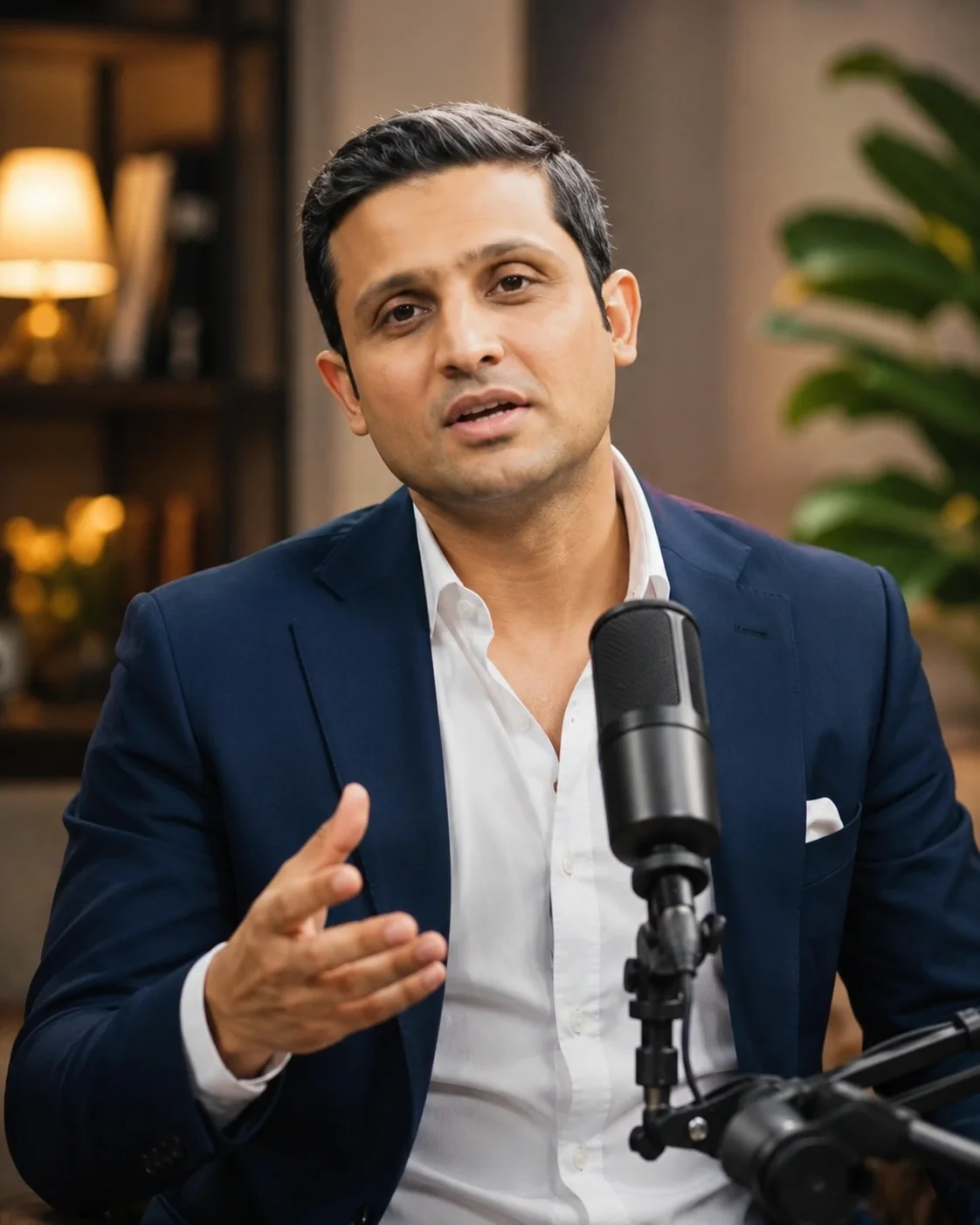
Rehan Tariq Remand Approved in NCCIA Blasphemy Investigation
Rehan Tariq remand was approved by a judicial magistrate in Lahore after the National Cyber Crime Investigation Agency (NCCIA) presented the podcast host before the court in connection with a case registered under Pakistan’s cybercrime and blasphemy laws. The court granted investigators six days of physical remand to continue their inquiry into allegations linked to online content that discussed sensitive religious issues. The case remains under investigation, and the allegations against Tariq have not been proven in court.
Rehan Tariq Sent on Six-Day Physical Remand
A judicial magistrate in Lahore on Wednesday approved a six-day physical remand of podcast host and YouTuber Rehan Tariq following a request by the National Cyber Crime Investigation Agency (NCCIA).
The agency produced Tariq before Judicial Magistrate Naeem Wattoo at the district courts after taking him into custody. During the hearing, the investigating officer informed the court that Tariq had been arrested at Lahore Airport after arriving from abroad.
The prosecution requested physical custody to continue the investigation, arguing that further questioning was necessary.
After reviewing the request, the magistrate granted six days of physical remand and directed the NCCIA to present the suspect before the court again after the remand period expires.
Why the NCCIA Registered the Case
According to the First Information Report (FIR), the NCCIA registered the case on June 25 after Rehan Tariq hosted a podcast featuring a religious scholar.
Investigators allege that the discussion involved highly sensitive and controversial sectarian matters that led to public controversy among followers of different religious sects.
Authorities claim the online content may have violated provisions of Pakistan’s cybercrime and criminal laws. These allegations remain under investigation and have not been established by a court.
Laws Cited in the FIR
According to the FIR, the case has been registered under several legal provisions, including:
- Section 11 of the Prevention of Electronic Crimes Act (PECA), 2016, relating to alleged hate speech.
- Section 153-A of the Pakistan Penal Code (PPC), concerning allegations of promoting enmity between different groups.
- Section 295-A of the PPC, relating to alleged acts intended to outrage religious feelings.
- Section 298 of the PPC, concerning alleged words or gestures intended to hurt religious sentiments.
These charges form part of the ongoing investigation. At this stage, the filing of an FIR does not amount to a conviction, and the legal process is continuing.
Arrest Made at Lahore Airport
During court proceedings, the investigating officer stated that Rehan Tariq was taken into custody after arriving at Lahore Airport from an overseas trip.
Following the arrest, he was transferred into NCCIA custody and produced before the judicial magistrate within the legal timeframe.
The court accepted the agency’s request for physical remand, allowing investigators additional time to collect evidence and question the suspect.
No detailed findings regarding the allegations have been presented before the court at this stage.
What Happens During Physical Remand?
A physical remand allows investigators to keep a suspect in custody for a limited period while conducting an investigation.
During this period, authorities may question the accused, verify evidence, examine digital devices where legally permitted, and complete other investigative procedures.
After the remand expires, investigators must present the suspect before the court again. The court then decides whether further remand is justified, whether judicial custody should be granted, or whether another legal order is appropriate.
The grant of physical remand does not determine guilt or innocence.
Background of the NCCIA Investigation
The National Cyber Crime Investigation Agency is responsible for investigating offences related to cybercrime and electronic communications under Pakistani law.
In recent months, the agency has taken action in several cases involving online content.
In May, the NCCIA announced the arrest of 11 social media activists from different cities across Punjab. Authorities alleged they were involved in spreading anti-state propaganda and inciting unrest through online platforms.
Those cases, like the present investigation, are subject to Pakistan’s legal process, and the allegations remain before the courts.
Why the Case Has Drawn Attention
The case has attracted public interest because it involves a well-known online content creator and raises questions about the application of Pakistan’s cybercrime legislation to digital platforms.
Podcasts and online discussions have become increasingly popular in Pakistan, allowing creators to discuss politics, religion, current affairs, and social issues with large audiences.
At the same time, authorities have repeatedly stated that content published on digital platforms must comply with the country’s laws governing public order, religious harmony, and electronic communications.
Legal experts note that cases involving allegations under religious and cybercrime laws often receive significant public attention due to their sensitivity and potential legal consequences.
As the investigation continues, any determination regarding the allegations will ultimately depend on evidence presented before the courts.
Investigation Continues
The Lahore court has directed the NCCIA to produce Rehan Tariq again after the completion of his six-day physical remand.
Investigators are expected to continue examining the material that forms part of the FIR and any related digital evidence during this period.
No verdict has been reached, and the case remains under investigation. Further proceedings will determine the next stage of the legal process.
Source:
- National Cyber Crime Investigation Agency (NCCIA)
- First Information Report (FIR)
- Lahore District Courts
Our audience means everything to us.
Have feedback or suggestions to make us better? We’re always listening—feel free to get in touch with us at editor@truthorahub.com








Leave a Comment