

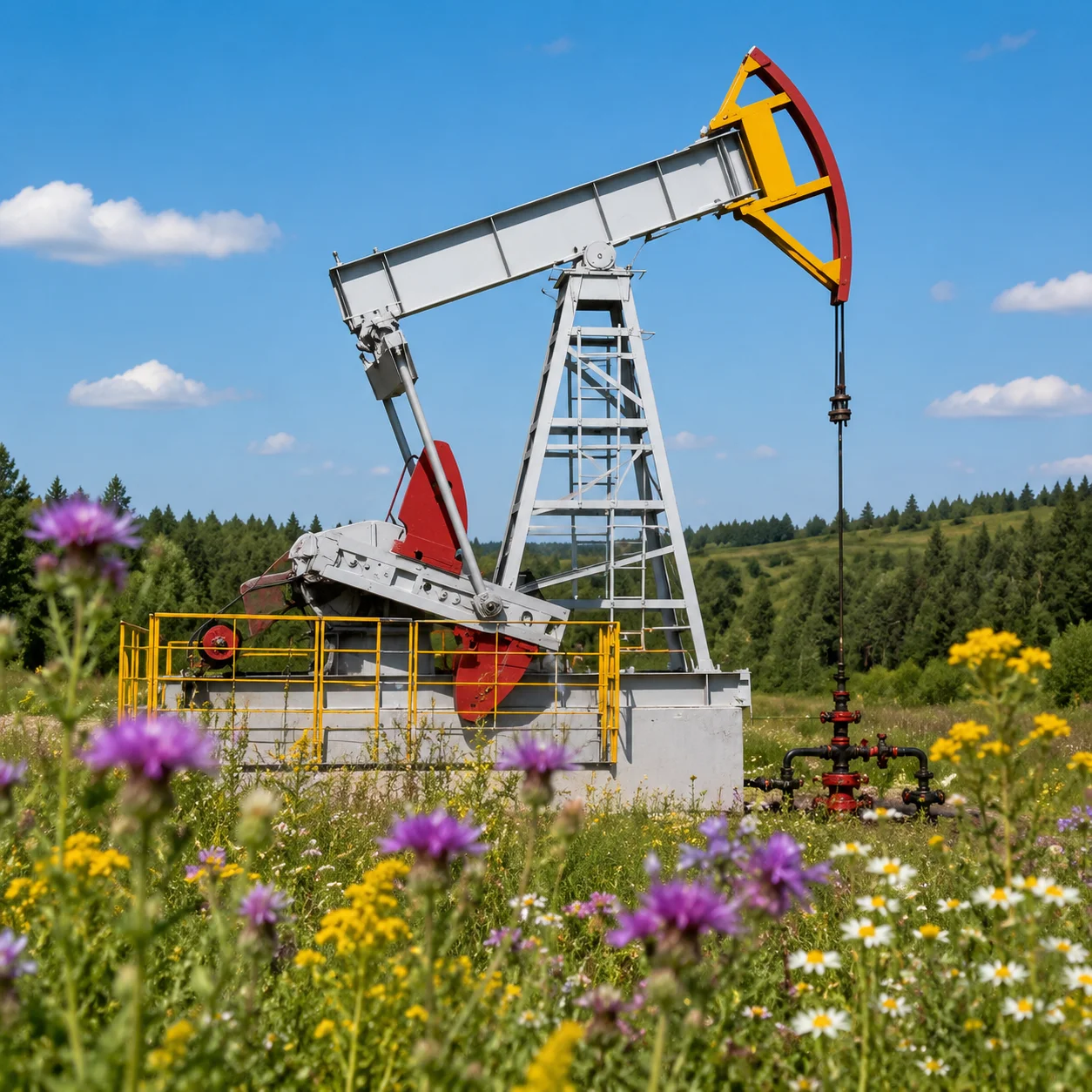
A New Energy Opportunity or Another Missed Chance?
Pakistan may soon get a rare opportunity to ease its growing energy pressures after the United States introduced a temporary licence allowing selected vulnerable countries to access Russian oil supplies.
At first glance, the announcement sounds like major relief for struggling economies dealing with rising fuel costs and unstable energy markets.
But behind the headlines lies a much bigger question:
Can Pakistan realistically take advantage of the opportunity before the window closes?
That debate is already growing among economists, diplomats, and energy experts after the United States Department of the Treasury issued a temporary 30-day general licence designed to help vulnerable nations access Russian crude currently stranded at sea.
The development is particularly important because global oil politics remain deeply connected to inflation, economic stability, and international diplomacy.
For Pakistan, a country constantly battling fuel import bills, currency pressure, and electricity crises, even temporary access to discounted oil could make a meaningful difference.
But experts warn the reality may not be so simple.
What Exactly Did the United States Announce?
According to diplomatic sources and statements shared publicly by Scott Bessent, the US government introduced a temporary licence aimed at reducing immediate pressure in global crude oil markets.
The licence reportedly allows selected energy-vulnerable countries to temporarily purchase and receive Russian oil shipments despite broader restrictions tied to sanctions and geopolitical tensions.
The stated goal is to stabilize physical oil supply chains while helping countries struggling with rising energy costs.
Bessent explained that the move would also help redirect stranded Russian crude toward nations most in need instead of allowing larger economies to continue stockpiling discounted supplies.
The announcement immediately sparked international attention because it suggests Washington may be adjusting its energy strategy amid ongoing global market instability.
And naturally, Pakistan quickly entered the conversation.
Why Pakistan Is Being Mentioned
Diplomatic sources told Pakistani media that Pakistan may qualify under the new temporary arrangement.
That possibility matters enormously.
Pakistan imports a large portion of its energy needs and frequently faces severe economic pressure due to global oil price fluctuations.
Every rise in international crude prices directly affects:
- Petrol costs
- Electricity tariffs
- Transportation expenses
- Inflation
- Food prices
- Industrial production
In recent years, Pakistan’s economic struggles have repeatedly intensified because of expensive fuel imports.
This is why the idea of accessing discounted Russian oil sounds attractive to many policymakers and ordinary citizens alike.
But there is a major complication.
The Infrastructure Problem Pakistan Cannot Ignore
While the licence may create diplomatic flexibility, experts say Pakistan may still struggle to fully benefit from Russian crude imports.
The reason comes down to technical limitations.
Pakistan has limited experience refining Russian crude oil on a large scale.
Most of the country’s refineries were historically designed to process different oil grades from Middle Eastern suppliers.
Russian crude often requires specialized refining capabilities and logistical adjustments.
That means importing large quantities is not as simple as purchasing shipments and unloading them at ports.
Energy experts warn Pakistan may lack:
- Sufficient refinery compatibility
- Large-scale processing infrastructure
- Long-term storage systems
- Supply chain readiness
This technical reality could prevent Islamabad from maximizing the opportunity within the short 30-day timeframe.
Why Russian Oil Became Such a Global Issue
To understand the significance of the US licence, it helps to understand how Russian oil became central to global politics.
Since sanctions and restrictions intensified against Russia following geopolitical conflicts, global energy markets have faced repeated disruptions.
Russian oil exports were redirected across different regions, often sold at discounted prices.
Countries such as China and India increased purchases significantly, benefiting from lower prices.
Meanwhile, many developing countries struggled with soaring fuel costs and reduced supply flexibility.
The United States now appears to be attempting a balancing act:
- Maintain broader sanctions pressure
- Prevent global oil shortages
- Support vulnerable economies
- Avoid further inflation shocks worldwide
This temporary licence may reflect that delicate strategy.
Could This Help Lower Fuel Prices in Pakistan?
This is the question millions of Pakistanis care about most.
In theory, cheaper Russian crude could eventually help reduce fuel import costs.
That might ease pressure on:
- Petrol prices
- Diesel rates
- Electricity generation costs
- Inflation levels
However, reality is more complicated.
Oil pricing depends on many factors beyond crude purchase costs, including:
- Refining expenses
- Shipping costs
- Currency exchange rates
- Government taxes
- IMF-linked economic policies
- Circular debt issues
Even if Pakistan successfully imports discounted Russian oil, immediate relief for consumers is not guaranteed.
Still, lower import costs could help stabilize broader economic pressure over time.
Pakistan’s Earlier Attempts to Buy Russian Oil
This is not the first time Pakistan explored Russian energy cooperation.
In recent years, Islamabad and Moscow held discussions regarding crude imports and energy partnerships.
Pakistan even received limited shipments of Russian crude previously under trial arrangements.
But scaling those imports remained difficult.
Analysts say several factors slowed progress:
- Technical refinery concerns
- Payment mechanism complications
- Shipping insurance issues
- Currency settlement challenges
- Geopolitical sensitivities
Despite political interest, practical implementation proved far harder than expected.
That history explains why experts remain cautious even after the new US licence announcement.
The Global Energy Market Is Changing Fast
The timing of this development is important.
The global energy system is undergoing major transformation.
Countries worldwide are now trying to balance:
- Energy security
- Inflation control
- Geopolitical alliances
- Climate goals
- Domestic economic survival
The Russia-Ukraine conflict dramatically reshaped international oil flows.
Meanwhile, rising tensions in multiple regions continue creating uncertainty across energy markets.
For developing nations like Pakistan, these shifts create both risks and opportunities.
Cheap oil can offer temporary relief.
But long-term dependence on unstable international supply chains remains dangerous.
Why the United States Is Allowing This Now
Many observers are asking an obvious question:
Why would Washington temporarily allow access to Russian oil after imposing major sanctions?
The answer likely lies in economic reality.
Global inflation remains politically sensitive worldwide.
High fuel prices affect everything from transportation and food costs to industrial production and public anger.
If vulnerable economies collapse under energy pressure, global instability worsens.
The US Treasury’s temporary licence appears designed to prevent extreme supply disruptions while maintaining broader geopolitical objectives.
Scott Bessent also hinted at another strategic goal: reducing China’s ability to dominate discounted Russian oil purchases.
That detail reveals how energy policy today is deeply connected to global power competition.
Could Pakistan Become More Important in Global Energy Politics?
This situation may also highlight Pakistan’s growing strategic importance.
As global powers compete for influence across Asia, energy partnerships are becoming increasingly significant.
Pakistan sits in a geographically important region connected to:
- South Asia
- Central Asia
- The Middle East
- China’s Belt and Road Initiative
That positioning gives Islamabad strategic relevance in future energy corridors and trade routes.
However, economic instability and infrastructure limitations continue restricting Pakistan’s ability to fully capitalize on such opportunities.
The Reality Ordinary Pakistanis Are Facing
Beyond diplomacy and geopolitics, the average Pakistani citizen is mainly concerned with survival.
People continue struggling with:
- Expensive electricity bills
- Rising petrol prices
- Inflation
- Transport costs
- Business slowdowns
For many families, fuel prices directly impact daily life.
Transportation becomes more expensive.
Food delivery costs rise.
Factories face higher operational expenses.
Public frustration grows.
This is why any news connected to cheaper oil immediately attracts massive public attention.
People desperately want economic breathing room.
Experts Warn Against Over-Optimism
While the announcement sounds promising, analysts caution against unrealistic expectations.
The licence is temporary.
The technical barriers remain serious.
And global oil politics can shift rapidly.
Experts believe Pakistan would need:
- Refinery upgrades
- Stronger logistical planning
- Long-term energy strategy
- Diversified supply partnerships
Without structural improvements, temporary opportunities may provide only short-term relief.
What Happens Next?
The next few weeks will determine whether Pakistan can actually utilize the licence effectively.
Government officials, energy planners, and refineries will likely evaluate:
- Technical feasibility
- Financial costs
- Supply logistics
- Political implications
If successful, the move could help Islamabad slightly reduce energy pressure during a difficult economic period.
If not, the announcement may become another example of opportunity limited by infrastructure realities.
Either way, the story reflects a much larger truth about today’s world:
Energy is no longer just about fuel.
It is about economics, diplomacy, survival, and global power.
And countries like Pakistan are increasingly caught at the center of that struggle.
Source:
Reporting and diplomatic developments connected to Dawn News, statements linked to the US Department of the Treasury, and ongoing discussions surrounding global energy supply markets and Russian crude access policies.
Have feedback or suggestions to make us better? We’re always listening—feel free to get in touch with us at truthora2026@gmail.com





Leave a Comment