

Is the Lebanon-Israel Ceasefire Falling Apart?
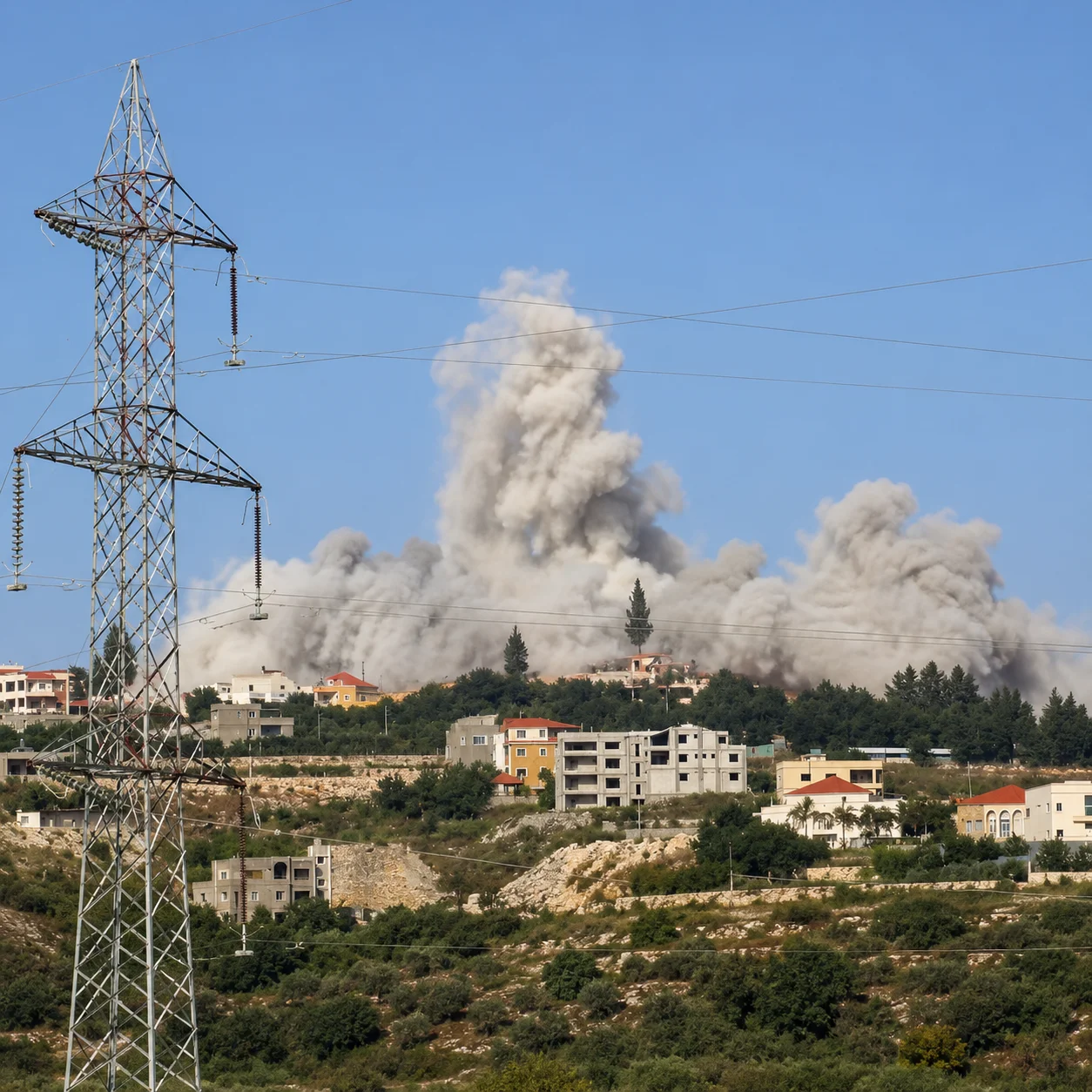
Fresh Israeli airstrikes across Lebanon have once again raised fears that the fragile ceasefire between Israel and Hezbollah may be slipping toward a wider conflict.
Despite ongoing diplomatic efforts and US-backed negotiations, tensions along the border continue to intensify. On Sunday, multiple strikes targeted eastern and southern Lebanon, while Hezbollah openly criticised the latest talks as a “dead end.”
For many observers, the biggest question now is simple: can diplomacy still prevent another major regional escalation?
Israeli Airstrikes Hit Southern and Eastern Lebanon
According to Lebanon’s state-run National News Agency, Israeli strikes targeted the town of Sohmor in the Bekaa Valley, while additional attacks were reported across southern Lebanon.
The Israeli military also issued evacuation warnings for four villages near the coastal city of Sidon, located far from the immediate border zone.
Soon after the warnings, airstrikes reportedly hit several of those villages, increasing fears among civilians already exhausted by months of instability.
Even after the ceasefire agreement, Israeli forces have continued carrying out frequent operations and evacuation alerts in southern Lebanon, keeping residents on edge.
Netanyahu Says Israel Is Facing New Drone Threats
At the start of a cabinet meeting, Israeli Prime Minister Benjamin Netanyahu defended the military operations, saying Israel was continuing efforts to secure territory and protect communities.
He also highlighted the growing challenge posed by FPV (First-Person View) drones, which Hezbollah has increasingly used during clashes with Israeli forces.
Military analysts say drone warfare is rapidly changing the nature of conflicts in the Middle East, allowing armed groups to carry out precise and lower-cost attacks.
Could these drones become one of the region’s biggest security threats in the future? Many experts believe the answer is yes.
Hezbollah Rejects US-Facilitated Negotiations
The latest escalation came shortly after Lebanese and Israeli envoys completed another round of talks in Washington aimed at extending the ceasefire.
However, Hezbollah strongly criticised the negotiations.
Senior Hezbollah lawmaker Hussein Hajj Hassan accused Lebanese authorities of making repeated concessions without gaining meaningful results.
According to him, the talks are leading Lebanon into political and security complications while failing to stop Israeli military actions.
The group also rejected discussions surrounding a possible US-supported security arrangement, calling it another concession to Israel.
The Debate Over Hezbollah’s Weapons Continues
One of the most sensitive issues remains Hezbollah’s military capabilities.
Hezbollah leaders insist they will not accept pressure to disarm, arguing that their armed presence is necessary to confront Israeli threats.
Meanwhile, critics inside and outside Lebanon say the country cannot achieve long-term stability while armed groups continue operating independently of the state.
This debate has divided Lebanese politics for years — and the latest conflict is only making the issue more complicated.
Border Tensions Continue to Rise
On Saturday, Hezbollah claimed responsibility for attacks targeting Israeli military positions in northern Israel. The group also announced several operations against Israeli forces in southern Lebanon.
These exchanges of fire have kept the region dangerously unstable despite repeated international calls for restraint.
Diplomatic efforts led by the United States are continuing, but many analysts warn that without a stronger political breakthrough, the ceasefire could remain extremely fragile.
Civilians Once Again Caught in Uncertainty
As military operations and political tensions continue, ordinary civilians on both sides of the border remain trapped in uncertainty.
Families in southern Lebanon are dealing with evacuation warnings, fear of further strikes and economic hardship. At the same time, communities in northern Israel continue facing security concerns and rocket threats.
For many people living in the region, the reality is becoming painfully familiar: temporary calm followed by renewed escalation.
Can Diplomacy Still Prevent a Wider Conflict?
The latest developments show how delicate the situation remains between Israel and Hezbollah.
While negotiations continue behind closed doors, military operations on the ground are telling a different story. The combination of drone warfare, border clashes and political deadlock is increasing fears of a broader confrontation that could pull the region deeper into instability.
For now, the ceasefire technically survives — but trust between the sides appears to be fading rapidly.
Source:
Our audience means everything to us.
Have feedback or suggestions to make us better? We’re always listening—feel free to get in touch with us at truthora2026@gmail.com






Leave a Comment