

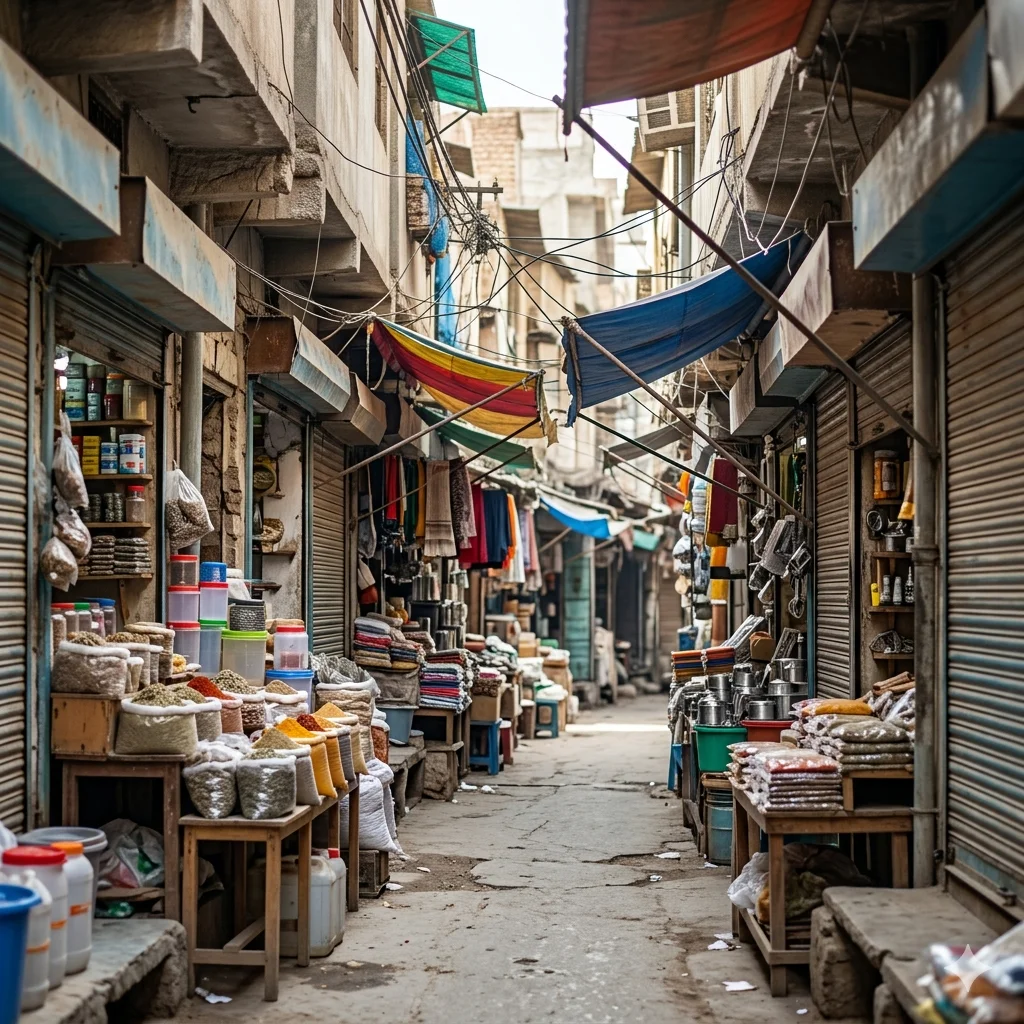
A Silent Threat Hidden in Everyday Meals
Every day, billions of people around the world sit down to eat without giving much thought to what might be hiding in their food. For most, a meal is simply part of daily life. But according to a major new report from the World Health Organization (WHO), unsafe food remains one of the world’s most underestimated health threats.
The latest findings reveal that contaminated food is linked to approximately 886 million illnesses and 1.5 million deaths globally every year. While food safety standards have improved in many parts of the world over the past two decades, the danger is far from over. In fact, experts warn that climate change, growing antimicrobial resistance, and persistent food contamination are creating new challenges that could affect millions more people in the years ahead.
The report paints a concerning picture of a problem that impacts every country, every family, and every age group. Yet some populations, especially young children, continue to face a significantly higher risk than others.
So why is unsafe food still causing such widespread harm in 2025? And what can governments, businesses, and individuals do to reduce the risks?
What Did the WHO Study Find?
The World Health Organization analyzed food safety data from 194 countries covering the period between 2000 and 2021. The results show that food-borne diseases remain a major public health challenge despite advances in medicine, sanitation, and food production systems.
According to the report:
- Around 886 million people suffer from illnesses linked to unsafe food each year.
- Approximately 1.5 million deaths occur annually due to contaminated food.
- Children under the age of five are nearly three times more likely to be affected than older age groups.
- Biological contaminants such as bacteria, viruses, and parasites account for the vast majority of illnesses.
- Chemical contamination, including exposure to arsenic and lead, is responsible for a significant share of food-related deaths.
- Food-borne diseases cost the global economy an estimated $647 billion annually in lost productivity.
These figures highlight the enormous health and economic burden associated with food contamination.
Why Are Young Children Most at Risk?
One of the most alarming findings from the WHO report is the disproportionate impact on children.
Young children have developing immune systems that are less capable of fighting infections. Their smaller body size also means that exposure to harmful bacteria, viruses, or toxic chemicals can cause more severe health consequences compared to adults.
In many lower-income countries, children face additional risks due to limited access to clean water, proper sanitation, and healthcare services.
Food-borne illnesses can lead to severe dehydration, malnutrition, developmental problems, and, in some cases, death.
Health experts have long emphasized that improving food safety is one of the most effective ways to protect child health globally.
The Hidden Dangers Lurking in Food
When most people think of food poisoning, they imagine bacteria such as salmonella or E. coli. However, food contamination comes in many forms.
Biological Hazards
The report found that biological contaminants remain the leading cause of food-related illnesses worldwide.
These include:
- Bacteria
- Viruses
- Parasites
- Fungi
Contamination can occur at any stage of the food chain, from farming and processing to transportation, storage, and preparation.
Improper cooking, poor hygiene practices, and unsafe food handling are among the most common causes of food-borne disease outbreaks.
Chemical Hazards
Although chemical contamination causes fewer illnesses overall, it contributes significantly to deaths and long-term health problems.
The WHO identified arsenic and lead as major concerns.
Long-term exposure to toxic chemicals can increase the risk of:
- Cancer
- Neurological disorders
- Developmental delays
- Organ damage
- Cardiovascular disease
Unlike bacterial infections, chemical contamination often goes unnoticed for years, making it particularly dangerous.
Climate Change Is Making Food Safety More Complicated
One of the most important messages from the WHO report is that climate change is increasingly affecting food safety.
Rising global temperatures create favorable conditions for the growth and spread of harmful microorganisms. Warmer environments can increase bacterial contamination in food and water supplies.
Extreme weather events such as floods, droughts, and storms can also disrupt food production systems and increase the risk of contamination.
Experts warn that changing weather patterns may contribute to:
- Faster bacterial growth
- Increased parasite transmission
- Greater fungal contamination
- Reduced food storage safety
- Higher risks in agricultural production
As climate-related challenges intensify, food safety experts believe governments will need to strengthen monitoring systems and improve food supply chain resilience.
The Growing Threat of Antimicrobial Resistance
Another issue highlighted in the report is antimicrobial resistance (AMR).
Antimicrobial resistance occurs when bacteria and other microorganisms evolve to survive treatments that once killed them.
This means infections that were previously easy to treat can become far more dangerous.
According to health experts, antimicrobial resistance is making food-borne infections harder to control and more costly to treat.
The overuse of antibiotics in both healthcare and agriculture has contributed significantly to this problem.
If current trends continue, experts warn that antimicrobial resistance could become one of the leading global health threats in the coming decades.
Why Africa and Southeast Asia Are Carrying the Heaviest Burden
Although food safety challenges exist worldwide, the report reveals major regional differences.
Africa and Southeast Asia account for nearly three-quarters of all food-related illnesses and around 60 percent of global deaths linked to unsafe food.
Several factors contribute to this imbalance:
- Limited food safety infrastructure
- Inadequate sanitation systems
- Restricted access to healthcare
- Weak regulatory enforcement
- Higher exposure to contaminated water sources
Many developing countries continue to face challenges in implementing comprehensive food safety monitoring systems.
However, experts emphasize that food contamination is not solely a developing-world issue. Food recalls and outbreaks continue to occur regularly in developed nations as well.
The Economic Cost Few People Talk About
Beyond the human suffering, unsafe food also creates significant economic losses.
The WHO estimates that food-borne diseases resulted in approximately $647 billion in lost productivity during 2021 alone.
When workers become sick, businesses lose valuable labor hours. Healthcare systems face increased pressure, and governments often incur additional costs related to disease control and treatment.
The economic consequences extend across industries, including:
- Agriculture
- Food manufacturing
- Retail
- Hospitality
- International trade
Food safety failures can also damage consumer trust and harm national export industries.
For many countries, improving food safety is not just a health priority—it is an economic necessity.
What Can Consumers Do to Stay Safe?
While governments and food producers play a crucial role, individuals can also reduce their risk of food-borne illnesses.
Experts recommend several practical steps:
Wash Hands Regularly
Proper handwashing before handling food remains one of the simplest and most effective safety measures.
Cook Food Thoroughly
Many harmful bacteria can be eliminated through adequate cooking.
Store Food Correctly
Keeping food at safe temperatures helps prevent bacterial growth.
Separate Raw and Cooked Foods
Cross-contamination is a common cause of food poisoning.
Choose Safe Water Sources
Clean drinking water is essential for both food preparation and personal health.
Pay Attention to Expiry Dates
Consuming expired or improperly stored products increases the risk of illness.
Although these precautions cannot eliminate every risk, they significantly reduce exposure to harmful contaminants.
Why Food Safety Deserves More Attention
Food safety often receives less attention than diseases such as cancer, diabetes, or heart disease. Yet the WHO report shows that contaminated food remains one of the most widespread health threats globally.
The challenge is unique because everyone is exposed. Regardless of age, income, nationality, or lifestyle, every person depends on safe food every day.
As WHO Director-General Tedros Adhanom Ghebreyesus emphasized, food safety is not an abstract issue. It affects every meal, every household, and every community.
The new findings serve as a reminder that food safety should be viewed as a shared responsibility involving governments, food producers, regulators, healthcare professionals, and consumers alike.
Looking Ahead: Can the World Make Food Safer?
There is some positive news. The WHO notes that food-borne illnesses have generally declined since 2000, demonstrating that progress is possible.
Improved regulations, stronger food monitoring systems, better public awareness, and advances in food technology have all contributed to reducing risks.
However, significant challenges remain.
Climate change, population growth, globalized food supply chains, and antimicrobial resistance are creating new pressures that require coordinated international action.
The future of food safety will likely depend on continued investment in science, public health infrastructure, and consumer education.
Final Thoughts
The WHO’s latest report delivers a clear message: unsafe food remains a major global health challenge despite decades of progress.
With nearly 886 million illnesses and 1.5 million deaths each year, contaminated food continues to affect millions of lives and cost the global economy billions of dollars.
The findings are also a reminder that food safety is not only about preventing illness—it is about protecting families, supporting economic growth, and ensuring healthier communities.
As food systems become increasingly interconnected, making food safer will require collective action from governments, businesses, and consumers around the world.
The question now is not whether food safety matters. The question is whether the world can move quickly enough to address the growing risks before they become even more difficult to control.
Source:
World Health Organization (WHO), AFP, United Nations Health Agency Reports, Global Food Safety Data Review 2000–2021.
Our audience means everything to us.
Have feedback or suggestions to make us better? We’re always listening—feel free to get in touch with us at truthora2026@gmail.com







Leave a Comment