

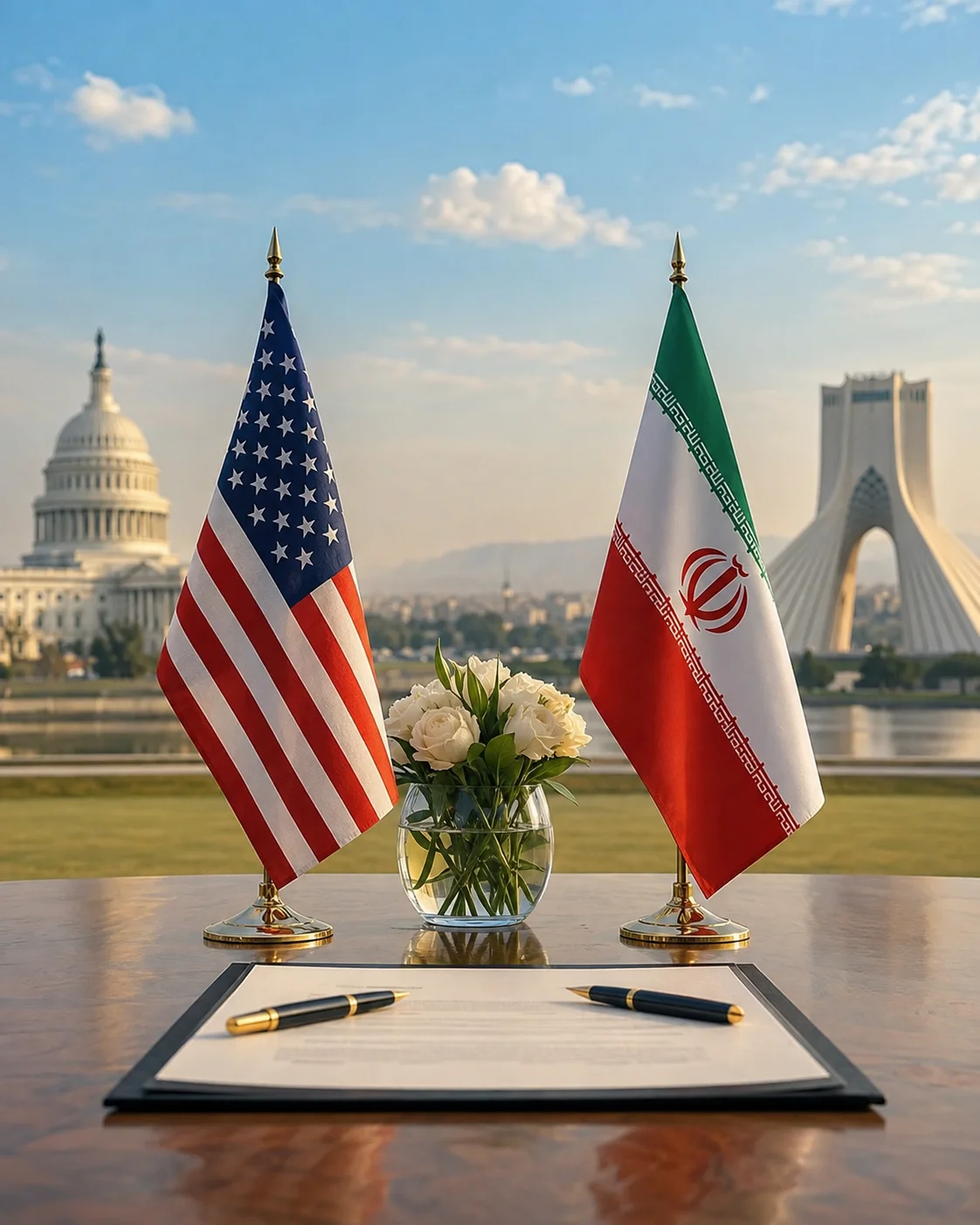
Trump Iran Attack Decision: US Suspends Potential Strike as Negotiations Continue
Trump Iran attack decision has drawn international attention after US President Donald Trump announced that he had decided to cancel a potential military strike on Iran, saying diplomatic progress offered a better path forward. The announcement comes amid ongoing efforts to reduce tensions between Washington and Tehran following weeks of uncertainty over possible military action.
In a statement posted on his Truth Social platform on Saturday, Trump said he had agreed to call off the planned attack because negotiations had reached a stage where an agreement appeared possible. He described the move as being in the interest of global stability and Iran’s future, while stressing that the decision could change if negotiations fail.
The development represents another significant turn in the continuing diplomatic efforts aimed at preventing a broader conflict in the Middle East.
Trump Announces Suspension of Planned Strike
According to Trump’s statement, the United States has decided not to proceed with a potential attack on Iran for now, provided negotiations continue to move towards an agreement.
He said the decision was made after what he described as progress in discussions involving Iran and several Middle Eastern countries. Trump also claimed that the broad framework of a deal had been agreed upon, although he did not provide additional details or announce any formal agreement.
The US president added that key elements under discussion include the immediate reopening of the Strait of Hormuz and resolving concerns surrounding Iran’s nuclear programme.
No independent confirmation of a final agreement had been announced at the time of his statement.
Why Military Action Was Being Considered
Before Trump’s announcement, there had been indications from some US officials that military action against Iranian infrastructure was being considered.
The reported possibility of military strikes was widely viewed as part of Washington’s broader strategy to increase pressure on Tehran during negotiations. Analysts have long noted that military pressure and diplomacy have often been pursued simultaneously in efforts to influence Iran’s decisions regarding its nuclear activities.
Had such strikes taken place, they could have significantly escalated tensions across the Middle East, particularly involving regional allies and energy infrastructure.
Diplomatic Efforts by Regional Countries
Several countries in the Middle East have actively encouraged both Washington and Tehran to avoid further escalation.
Hours before Trump’s social media announcement, Saudi Crown Prince Mohammed bin Salman reportedly spoke with the US president. According to reports, the Saudi leader expressed concern over the possibility of military action against Iran and supported continued diplomatic efforts.
Other regional countries, including Qatar, the United Arab Emirates, Turkey and Pakistan, have also urged both sides to pursue dialogue rather than military confrontation.
These diplomatic efforts reflect broader concerns that any direct conflict involving Iran could affect regional security, international shipping routes and global energy markets.
Strait of Hormuz Remains a Key Issue
One of the most significant issues mentioned by Trump was the Strait of Hormuz.
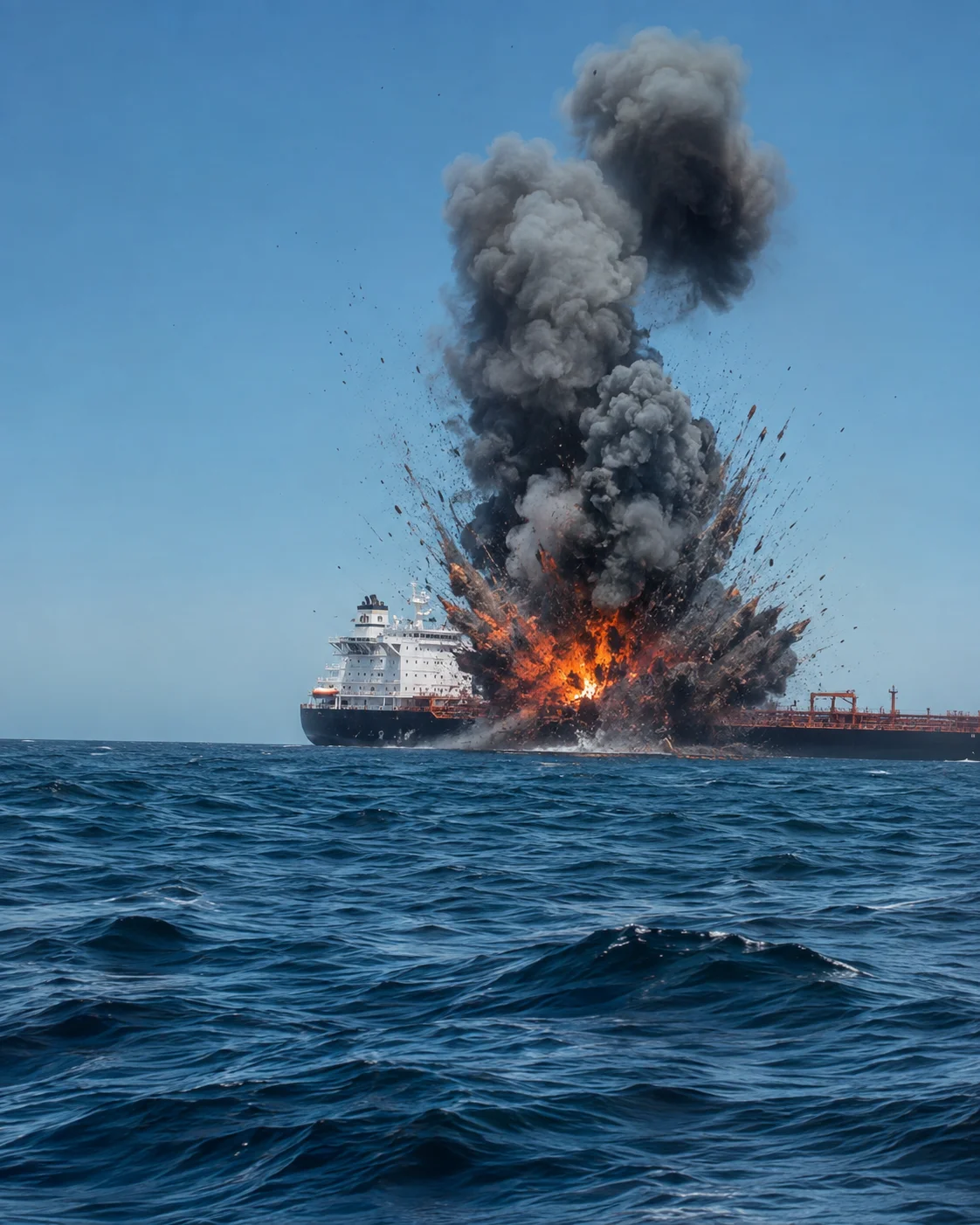
The waterway is one of the world’s most important maritime trade routes, carrying a substantial share of global oil exports. Any disruption in the strait has the potential to affect international energy supplies and fuel prices worldwide.
Trump stated that discussions include the “immediate, complete, and total” reopening of the Strait of Hormuz. However, no official agreement confirming such an arrangement has been publicly released.
Because of its strategic importance, developments involving the Strait of Hormuz continue to be closely monitored by governments and global markets.
Iran Responds With Warning
While diplomatic discussions continue, Iranian officials have maintained a firm public position regarding possible military action.
Iranian Foreign Minister Abbas Araghchi warned that any hostile action by the United States or Israel, or cooperation by regional countries in such operations, would receive what he described as a decisive and proportionate response from Iran’s armed forces.
According to information shared on Araghchi’s official Telegram channel, the warning was conveyed during communication with Saudi Foreign Minister Prince Faisal bin Farhan.
The statement highlights that despite renewed diplomatic efforts, tensions between the parties remain significant.
Israel’s Expected Role
Reports suggested that Israel was expected to participate alongside the United States if a large-scale military operation had gone ahead.
However, following Trump’s announcement that the strike had been suspended, no military action has been announced by either country.
Israel has not publicly confirmed any operational plans connected to the reported strike.
Why the Development Matters
The latest Trump Iran attack decision is important because it temporarily reduces the immediate risk of a wider regional conflict.
Relations between the United States and Iran have remained tense for years, particularly over Iran’s nuclear programme, sanctions and regional security issues. Periodic diplomatic efforts have often been interrupted by renewed military or political tensions.
A successful agreement could help lower the risk of conflict, improve stability in the Gulf region and reduce concerns over global energy supplies.
However, the negotiations remain delicate, and no final agreement has yet been officially announced by either side.
Diplomatic observers note that progress in talks does not necessarily guarantee a lasting settlement, as previous negotiations have experienced setbacks before reaching implementation.
What Happens Next?
Attention will now focus on whether negotiators can convert the reported progress into a formal agreement acceptable to both Washington and Tehran.
Any future deal would likely involve discussions surrounding Iran’s nuclear activities, regional security arrangements and freedom of navigation through the Strait of Hormuz.
At the same time, regional governments are expected to continue supporting diplomatic engagement to avoid further military escalation.
For now, Trump’s decision to pause the reported strike signals another attempt to prioritise negotiations over immediate military action, although the situation remains fluid and could change depending on the outcome of ongoing discussions.
Source:
- Axios
- Truth Social statement by US President Donald Trump
- Official Telegram statement by Iranian Foreign Minister Abbas Araghchi
Our audience means everything to us.
Have feedback or suggestions to make us better? We’re always listening—feel free to get in touch with us at editor@truthorahub.com


Leave a Comment