

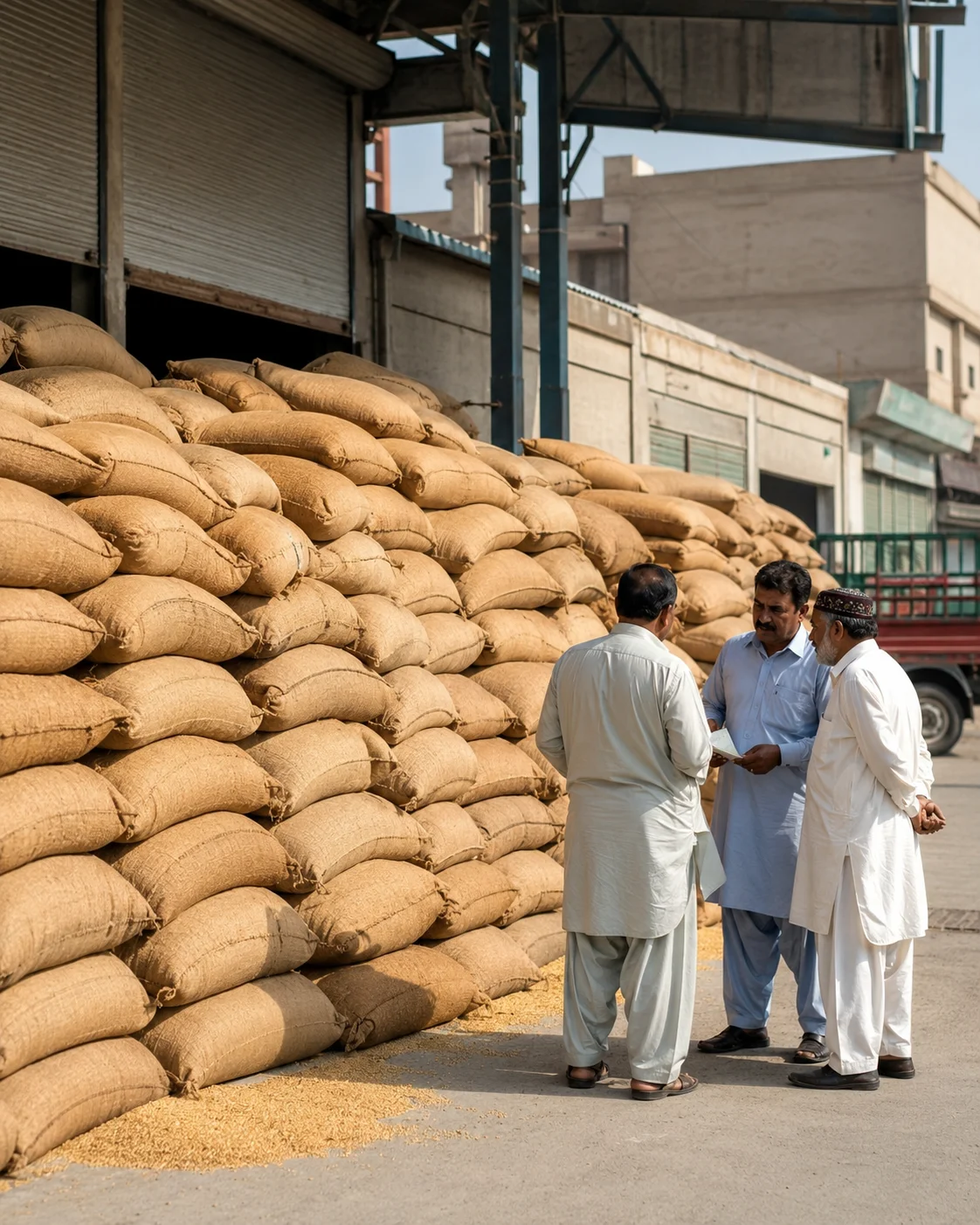
Sindh Wheat Corruption: 8 Food Officials Dismissed Over Rs5.12bn Loss
The Sindh wheat corruption case has led to the dismissal of eight officials from the provincial Food Department after disciplinary proceedings found them responsible for alleged irregularities involving government wheat stocks. Authorities have also ordered the recovery of more than Rs5.12 billion, while criminal proceedings are expected to continue where applicable.
According to Dawn, the disciplinary action follows investigations conducted under the Sindh Civil Servants (Efficiency and Discipline) Rules, 1973. The cases involve allegations of wheat shortages, misappropriation, illegal release, unauthorized transportation, adulteration, and deliberate deterioration of government-owned wheat stored at multiple procurement centres across Sindh.
Eight Officials Removed Following Departmental Proceedings
The Sindh Food Department dismissed the following officials after completing departmental inquiries:
- Food Supervisor Muhammad Hassan
- Food Supervisor Muhammad Mithal Magsi
- District Food Controller Muhammad Munawar Arain
- Food Inspector Muhammad Abbas Memon
- Food Inspector Zaheer Abbas Shar
- Food Inspector Imran Ali Magsi
- Food Inspector Qurban Ali Magsi
- Food Inspector Ghulam Mustafa Mirani
Officials familiar with the matter said that the provincial government has also directed the recovery of approximately Rs5.128 billion from those found liable during the disciplinary process.
The disciplinary proceedings were conducted under provincial civil service regulations. Separate legal and recovery proceedings are expected to continue where required.
Alleged Irregularities Across Multiple Districts
According to officials, the investigations covered procurement centres and wheat storage facilities located in:
- Dadu
- Sanghar
- Shaheed Benazirabad
- Khairpur
- Kashmore-Kandhkot
- Shikarpur
Authorities alleged that the cases involved shortages in wheat stocks, unauthorized disposal, illegal transportation, adulteration, and intentional deterioration of government wheat reserves.
The allegations were examined through departmental inquiries before disciplinary action was taken. Criminal proceedings, where applicable, remain separate from departmental penalties.
Food Minister Warns Against Misuse of Public Wheat Stocks
Speaking to Dawn, Sindh Food Minister Makhdoom Mehboobuz Zaman said government wheat is a public asset intended to support food security and help ensure affordable flour supplies for citizens.
He said that anyone found involved in the theft, misappropriation, illegal disposal, or adulteration of government wheat would face dismissal from service, financial recovery, and criminal prosecution.
The minister added that no official would receive protection because of their position or influence and said accountability would continue until recovery and legal proceedings reached their conclusion.
He also stated that the provincial government is strengthening monitoring systems, conducting physical verification of wheat stocks, and improving transparency in stock management across Sindh.
Largest Recovery Ordered in Khairpur Case
According to officials, Food Inspector Zaheer Abbas Shar faces the largest financial recovery in the case.
Authorities ordered the recovery of more than Rs2 billion in connection with wheat shortages allegedly identified at:
- Procurement and Receipt Centre (PRC) Thari Mirwah
- PRC Setharja
- Wheat Procurement Centres (WPCs) Sikandarabad
- WPC Choondiko
The inquiry concluded that these shortages resulted in the largest recoverable amount among all eight disciplinary cases.
Other Major Recovery Orders
Officials also detailed several other significant recovery orders issued following the investigations.
Food Inspector Muhammad Abbas Memon has been directed to repay over Rs1 billion in connection with reported losses at procurement centres located in Sanghar, Nauabad, and Khipro.
Food Supervisor Muhammad Mithal Magsi faces a recovery order of approximately Rs849.16 million relating to the Shikarpur case.
Food Supervisor Muhammad Hassan has been ordered to repay Rs700.45 million for shortages reported at PRC Radhan and associated wheat procurement centres in Dadu.
Food Inspector Imran Ali Magsi faces recovery of approximately Rs310.84 million linked to shortages at PRC Khudabad.
Food Inspector Qurban Ali Magsi has been directed to repay Rs67.51 million for reported wheat shortages connected to stocks at K.N. Shah.
Former District Food Controller Muhammad Munawar Arain has been ordered to repay Rs56.59 million after authorities alleged he was responsible for the illegal release of government wheat to a flour mill described as non-functional.
Separate Inquiry Continues in Kashmore-Kandhkot Case
The eighth dismissed official, Ghulam Mustafa Mirani, was removed from service over his alleged involvement in large-scale wheat shortages at procurement centres in Kashmore and Kandhkot.
Officials said investigators believe the alleged shortages occurred in collusion with centre in-charges.
However, authorities stated that the exact amount recoverable in this particular case has not yet been finalized.
According to officials, the Enquiries and Anti-Corruption Establishment Sindh will determine the final recoverable amount after completing its ongoing investigation.
Why the Case Matters
Government wheat reserves play an important role in maintaining food security and stabilizing flour prices across Pakistan.
Provincial food departments purchase wheat from farmers during procurement seasons and store it for later distribution through public channels. Effective management of these stocks is considered essential to ensuring stable food supplies and limiting market disruptions.
Cases involving alleged losses or mismanagement of government wheat can have significant financial implications for the public treasury and may affect public confidence in procurement systems.
The latest disciplinary action signals the Sindh government’s stated intention to tighten oversight of wheat procurement centres, improve inventory monitoring, and pursue accountability where departmental inquiries identify misconduct.
While departmental proceedings have resulted in dismissals and recovery orders, any criminal liability arising from the allegations will be determined through the relevant legal process.
Source:
- Dawn
- Sindh Food Department officials (as reported by Dawn)
- Statement by Sindh Food Minister Makhdoom Mehboobuz Zaman (as reported by Dawn)
Our audience means everything to us.
Have feedback or suggestions to make us better? We’re always listening—feel free to get in touch with us at editor@truthorahub.com




Leave a Comment