

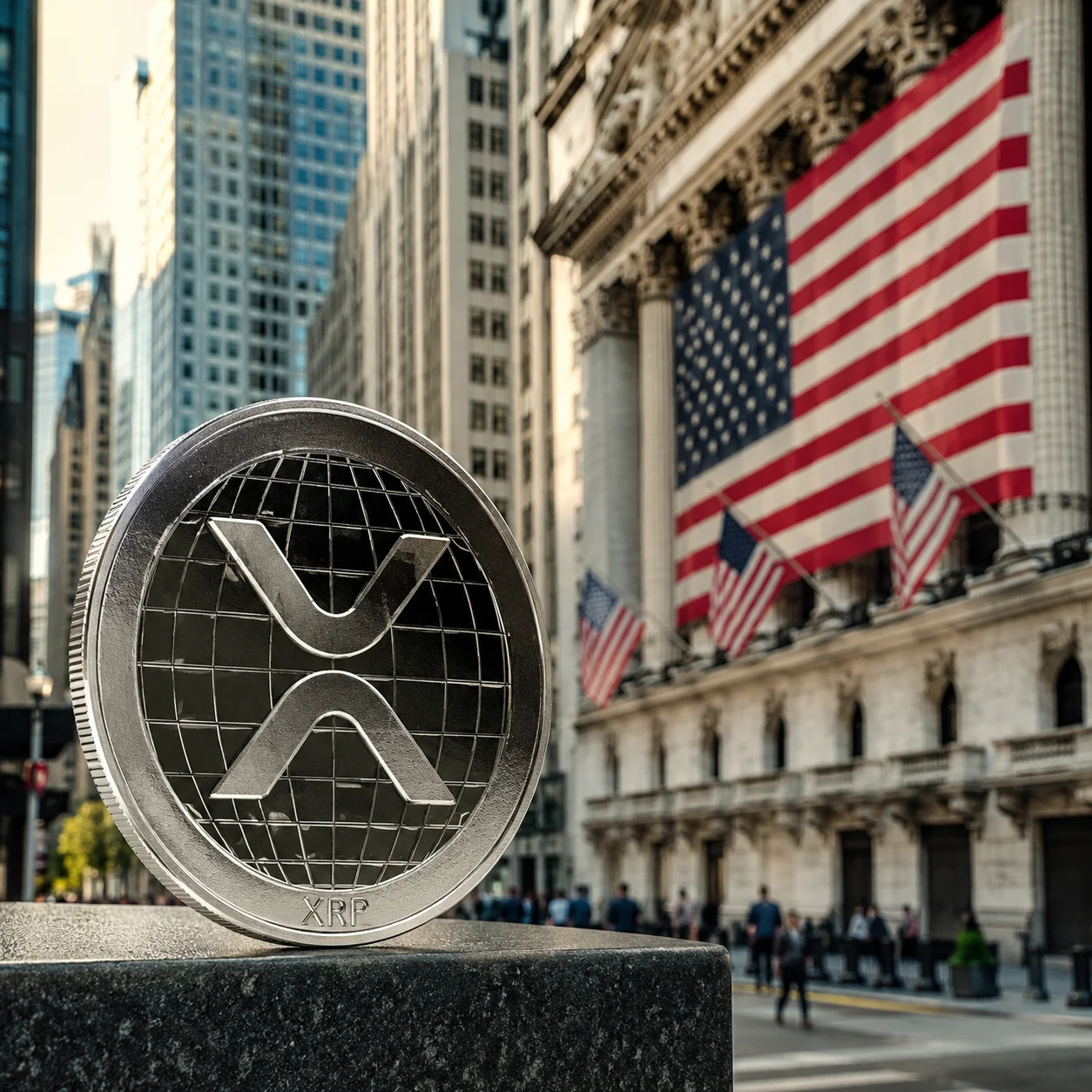
Can XRP Really Become the Backbone of Digital Payments?
The cryptocurrency world moves fast. New projects appear almost every week, trends change overnight, and investor attention constantly shifts between hype and reality.
Yet despite intense competition across the blockchain industry, Ripple is once again making a bold case for why XRP could play a major role in the future of global payments.
During a recent appearance at the XRP Las Vegas event, Ripple CEO Brad Garlinghouse described XRP as more than just another cryptocurrency. According to him, XRP has already proven its long-term relevance through speed, scalability, low transaction costs and a loyal global community.
His comments come at a time when digital assets are fighting for real-world use cases beyond speculation.
And perhaps that is the biggest question now facing the crypto industry: which cryptocurrencies can actually survive by solving real financial problems?
Ripple’s Big Message: XRP Is Built for Payments
Speaking during an “XRP in a Minute” segment shared on social platform X, Garlinghouse emphasized that XRP was specifically designed to improve the movement of money across borders.
Unlike many cryptocurrencies focused mainly on trading or decentralised applications, Ripple continues positioning XRP as a payment-focused digital asset aimed at making transactions faster and cheaper.
Garlinghouse explained that the technology behind the XRP Ledger was developed by engineers who had previously worked on early Bitcoin-related systems before deciding to build a separate blockchain tailored for financial transactions.
That distinction matters because Ripple has spent years trying to differentiate XRP from speculative crypto projects.
What Makes XRP Different?
According to Ripple’s leadership, XRP’s biggest strengths come down to three things:
- Speed
- Low transaction cost
- Scalability
Garlinghouse claimed that XRP transactions typically settle within three to five seconds — dramatically faster than many traditional banking systems and even several competing blockchains.
He also highlighted the extremely low cost of transactions, describing fees as fractions of a penny.
In a world where international transfers through banks can still take days and involve expensive charges, Ripple believes this advantage gives XRP a strong long-term opportunity.
Garlinghouse summed up the argument clearly during the event:
“What makes XRP so unique is its speed… its cost… and its scalability.”
XRP Ledger Has Already Processed Billions of Transactions
Ripple executives also pointed toward XRP Ledger’s operating history as proof of its reliability.
According to Garlinghouse, the network has already processed more than 4 billion transactions — a figure Ripple uses to demonstrate both scalability and long-term stability.
That is an important part of Ripple’s broader messaging strategy.
In the cryptocurrency world, many projects launch with ambitious promises but struggle to survive over time. Ripple, however, is trying to present XRP as a blockchain network that has already demonstrated real operational endurance.
And in financial technology, longevity matters.
Banks, payment providers and institutions generally prefer systems with proven reliability rather than experimental technology.
Ripple Wants XRP at the Centre of Modern Finance
Ripple has repeatedly referred to XRP as the company’s “north star” within its wider financial infrastructure strategy.
The company is no longer focusing only on simple cross-border payments. Ripple now connects XRP to several expanding sectors of digital finance, including:
- Liquidity management
- Institutional settlement systems
- Tokenised financial assets
- Collateral movement
- Blockchain-based banking infrastructure
This reflects a much larger ambition.
Ripple is attempting to position itself not just as a cryptocurrency company, but as a future financial technology provider capable of supporting institutional-grade digital transactions worldwide.
Why Payments Remain Crypto’s Biggest Real-World Opportunity
For years, critics argued that cryptocurrencies lacked meaningful real-world utility.
Many blockchain projects became heavily associated with speculation, meme coins and volatile trading rather than practical use cases.
But payment systems remain one of the few areas where blockchain technology continues showing serious commercial potential.
Traditional international payment systems still face several challenges:
- Slow settlement times
- High transfer fees
- Limited banking access in developing countries
- Currency conversion costs
- Operational inefficiencies
Ripple believes XRP can solve many of those problems.
And the company is not alone.
Across the crypto industry, payment-focused blockchain networks are becoming increasingly important as governments, banks and financial firms explore faster digital settlement technologies.
XRP’s Community Remains One of Its Strongest Assets
Beyond technology, Garlinghouse also focused heavily on XRP’s global community.
The XRP ecosystem has maintained one of the most loyal and active user bases in crypto despite years of legal challenges, market volatility and industry criticism.
Supporters often describe XRP not simply as a cryptocurrency, but as a long-term financial movement aimed at reshaping global payments.
Garlinghouse praised that community support during his appearance, saying XRP holders and developers continue playing a critical role in the network’s future growth.
In crypto markets, community strength can significantly influence adoption, investor confidence and long-term relevance.
Ripple’s Legal Battles Still Shape XRP’s Story
No discussion about XRP is complete without mentioning Ripple’s legal history.
For several years, Ripple has remained involved in a closely watched legal dispute with the U.S. Securities and Exchange Commission over whether XRP should be classified as a security.
The case became one of the most important regulatory battles in cryptocurrency history because its outcome could shape how digital assets are treated in the United States and beyond.
While Ripple has secured partial legal victories in recent years, regulatory uncertainty still remains a major issue for the wider crypto industry.
Investors continue monitoring how governments worldwide will regulate blockchain technologies, stablecoins and digital assets moving forward.
Can XRP Compete With Stablecoins and CBDCs?
Ripple’s vision also faces growing competition.
Stablecoins, central bank digital currencies (CBDCs) and other blockchain payment systems are rapidly expanding around the world.
Governments and major financial institutions are increasingly exploring their own digital payment infrastructure, which could reduce reliance on private cryptocurrencies.
At the same time, competitors such as Bitcoin, Ethereum and newer payment-focused networks continue evolving.
So the question remains: can XRP maintain a unique position in an increasingly crowded market?
Ripple believes its speed, scalability and institutional partnerships provide a competitive edge.
But the crypto industry changes rapidly — and long-term dominance is never guaranteed.
XRP Las Vegas Highlights Ripple’s Confidence
Ripple’s messaging at XRP Las Vegas reflected growing confidence about the network’s future.
Garlinghouse repeatedly emphasized that XRP Ledger was built for long-term scalability rather than short-term hype.
He described the ecosystem as “special and unique” while expressing optimism about the years ahead.
The event also highlighted Ripple’s broader strategy of strengthening community engagement while pushing deeper institutional adoption.
In crypto, perception matters almost as much as technology — and Ripple clearly wants XRP seen as a serious financial infrastructure asset rather than just another tradable token.
What Does This Mean for the Future of Crypto Payments?
The cryptocurrency industry is entering a new phase.
The early era driven mainly by speculation is gradually giving way to a more utility-focused environment where projects are increasingly judged by practical value, scalability and real-world adoption.
Payment technology remains one of blockchain’s strongest opportunities.
If Ripple succeeds in expanding XRP’s role in institutional finance and international settlements, the network could remain highly relevant for years to come.
But challenges still remain:
- Regulatory uncertainty
- Competition from governments and banks
- Market volatility
- Public trust issues within crypto
Success will depend not only on technology, but also on regulation, adoption and broader economic conditions.
Is XRP Built to Last?
Garlinghouse’s recent comments were ultimately about one central idea: longevity.
In an industry filled with short-lived trends, Ripple wants XRP viewed as a network designed for long-term survival.
Its supporters argue that XRP’s speed, transaction costs and scalability already make it one of the strongest blockchain payment systems available today.
Critics remain skeptical, pointing to regulatory risks and competition from emerging technologies.
But regardless of where the debate goes next, one thing is becoming clear: the future of cryptocurrency may no longer belong only to the loudest projects — it may belong to the networks that can actually move money efficiently in the real world.
And Ripple is betting heavily that XRP will be one of them.
Source:
Ripple Official Website, Investing.com Crypto News, CoinDesk
Our audience means everything to us.
Have feedback or suggestions to make us better? We’re always listening—feel free to get in touch with us at ayesha@linen-rat-910062.hostingersite.com







Leave a Comment