

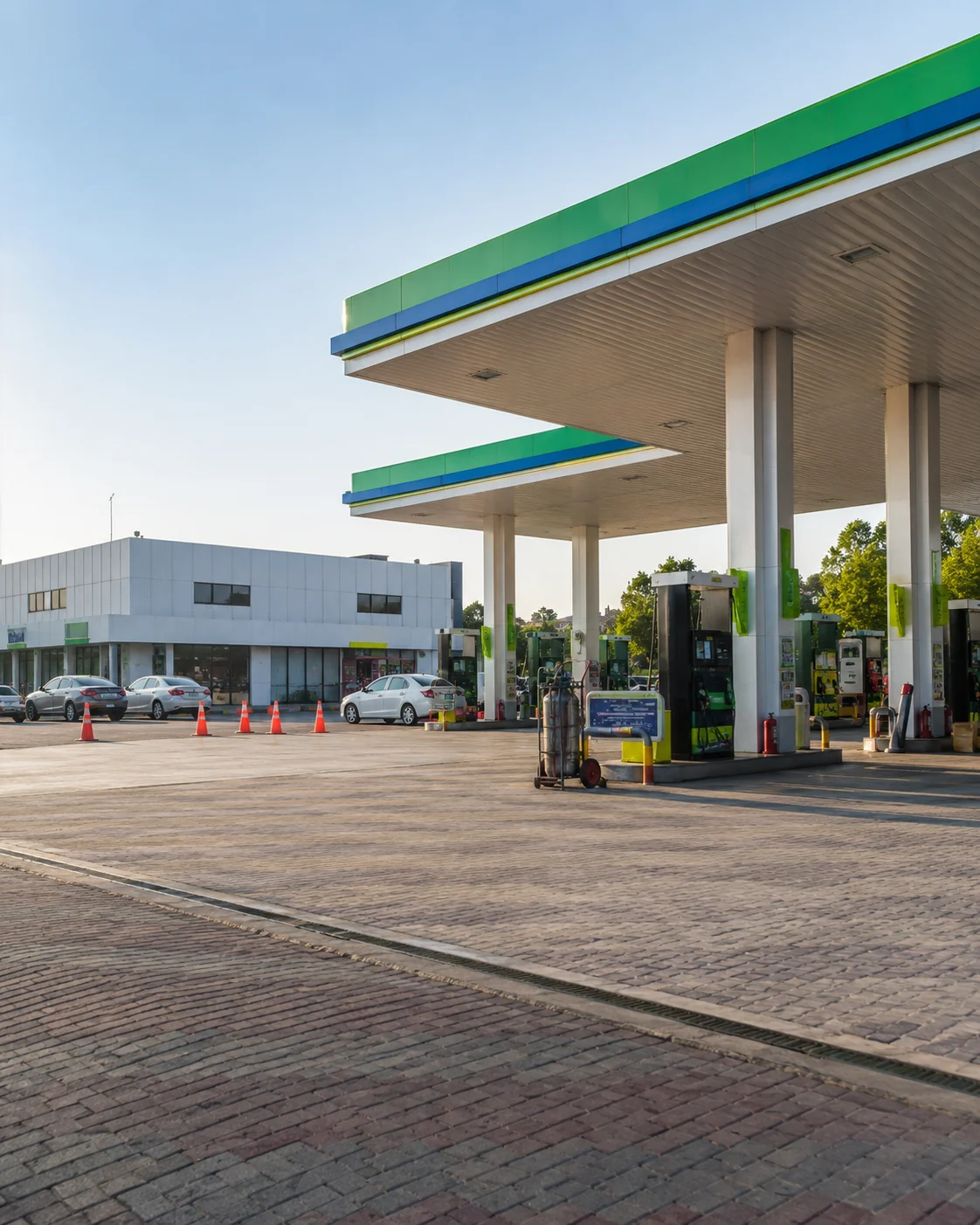
Petroleum dealers margin raised 15.5% as strike is called off
The petroleum dealers margin on petrol and high-speed diesel will increase by 15.5% from September 1 after the Economic Coordination Committee (ECC) of the federal cabinet approved a higher fixed margin, prompting the Pakistan Petroleum Dealers Association (PPDA) to withdraw its planned nationwide strike.
The approved increase will add Rs1.34 per litre to the dealers’ existing margin, taking it from Rs8.64 to Rs9.98 per litre on both petrol and high-speed diesel (HSD).
The decision was taken on Friday as the government moved to resolve the dispute before the dealers’ planned protest was due to begin on August 15. The ECC meeting was chaired virtually by Finance Minister Muhammad Aurangzeb.
The development temporarily removes the immediate threat of a nationwide disruption at petrol stations, while also ending a dispute that has involved dealers, the Petroleum Division, oil marketing companies (OMCs) and the federal government over how fuel dealers should be compensated.
ECC approves higher petroleum dealers margin
The ECC considered a proposal from the Petroleum Division seeking an increase in the fixed margin available to dealers selling petrol and HSD.
According to information provided in the source report, the proposal called for an increase of Rs1.34 per litre. The revised margin will therefore reach Rs9.98 per litre from September 1.
The Finance Division’s official statement confirmed that the ECC had considered the Petroleum Division’s summary on revising dealers’ margins for motor spirit and HSD, although the statement itself did not specify the exact amount of the approved increase.
A senior official familiar with the meeting confirmed that the ECC had approved the increase proposed by the Petroleum Division.
The approved adjustment represents a 15.51% increase in the fixed margin.
For consumers, the decision is significant because dealers had been seeking a much larger change in the way their margin is calculated. However, the government chose to retain the existing fixed-margin structure rather than link dealer earnings directly to retail fuel prices.
PPDA withdraws nationwide strike
Following the ECC decision, the Pakistan Petroleum Dealers Association called off its planned nationwide strike.
The association had announced the strike after giving the federal government a 72-hour deadline to address its demands. The dealers had argued that previous commitments concerning their margins had not been implemented.
The planned industrial action was scheduled to begin on August 15, raising concerns about possible disruption to petrol supplies across the country.
The government responded by holding the ECC meeting on a public holiday and taking up the issue on an urgent basis.
With the revised margin now approved, the PPDA withdrew the strike plan.
The immediate dispute has therefore been resolved without the nationwide shutdown that dealers had threatened, although some of their broader demands remain unresolved.
Dealers wanted an 8% variable margin
The main disagreement between the dealers and the government was not simply the size of the increase but the method used to calculate the margin.
Petroleum dealers had called for the existing fixed margin of Rs8.64 per litre to be replaced with a variable margin equal to 8% of the retail price of petrol and diesel.
Under that proposal, dealer earnings would rise or fall alongside fuel prices.
Based on the retail prices referenced in the source report, such a formula would have resulted in a margin of approximately Rs26 per litre on petrol and Rs30 per litre on diesel.
That would have been considerably higher than the Rs1.34-per-litre increase ultimately approved by the ECC.
Instead, the government opted for a 15.5% adjustment to the fixed margin, taking it to Rs9.98 per litre.
Why dealers wanted a variable margin
The dealers’ position has been linked to changes in Pakistan’s fuel pricing system and the rising operating costs associated with running petrol stations.
The dealers have argued that a percentage-based margin would better reflect changes in retail fuel prices than a fixed amount per litre.
They have also objected to conditions previously attached to increases in their margins, particularly requirements related to digitisation.
The government, however, has maintained the fixed-margin approach while continuing to pursue changes in the petroleum retail and distribution system.
OMC margins remain unchanged
The ECC decision applies to petroleum dealers and does not immediately change the margin received by oil marketing companies.
The OMC margin remains Rs7.87 per litre on both petrol and diesel.
A separate proposal to increase the OMC margin by Rs1.22 per litre remains linked to the implementation of digitisation measures.
This means the latest decision does not settle every issue surrounding margins in the petroleum supply chain.
The distinction between dealer and OMC margins is important because both operate at different stages of the fuel distribution system. Dealers operate petrol stations and sell fuel directly to consumers, while OMCs handle the marketing and distribution of petroleum products.
Dispute dates back to December 2025
The latest decision follows a dispute that has continued for several months.
In December 2025, the ECC approved an increase of Rs2.56 per litre in dealers’ margins on petrol and diesel. The decision was later modified by the federal cabinet.
Under the original ECC arrangement, half of the proposed increase was to become effective from December 15, subject to a declining trend in petroleum prices. The remaining portion was connected to the achievement of digitisation targets established by the Oil and Gas Regulatory Authority (Ogra).
The federal cabinet subsequently changed the arrangement on December 23, making the increase conditional on the completion of digitisation targets by OMCs and petroleum dealers.
The PPDA objected to these conditions and continued to press the government for implementation of the promised margin increase.
Digitisation remains a point of disagreement
Digitisation has been one of the major issues in negotiations between petroleum dealers and the government.
The dealers have argued that linking their margin increase to digitisation was unfair because much of the implementation responsibility rests with oil marketing companies.
During a meeting on July 22, Petroleum Minister Ali Pervaiz Malik met representatives of the All Pakistan Petrol Pump Owners Association and the PPDA to discuss the dispute.
Senior Petroleum Division officials and the Ogra chairman also attended the meeting.
The dealers called for the margin increase to be separated from digitisation requirements and again proposed replacing the fixed margin with an 8% share of the retail price.
The latest ECC decision partially addresses the dealers’ concerns by approving an immediate increase in the fixed margin, but it does not adopt their proposed percentage-based formula.
What the decision means for consumers
The increase in dealers’ margins will affect the economics of fuel retailing, although the approved change is substantially smaller than the margin sought by the dealers.
The new margin will take effect on September 1 rather than immediately.
The government has therefore avoided the potentially much larger increase that could have resulted from an 8% variable margin calculated against current retail prices.
For consumers, fuel prices remain dependent on several factors beyond the dealers’ margin, including international oil prices, exchange-rate movements, government taxes and levies, and other components of the petroleum pricing formula.
The latest decision primarily resolves the immediate dispute between the government and petroleum dealers over the strike.
Nationwide fuel strike averted for now
The PPDA’s decision to call off its planned nationwide strike removes the immediate possibility of a coordinated shutdown of petrol stations on August 15.
The government’s approval of the higher margin has provided a short-term settlement to the dispute, but several structural issues remain under discussion.
These include the future treatment of dealer and OMC margins, digitisation requirements and the dealers’ demand for a percentage-based margin tied to retail fuel prices.
For now, the key change is that petroleum dealers will receive Rs9.98 per litre on petrol and HSD from September 1, up from the current Rs8.64.
The decision allows fuel stations to continue operating without the nationwide strike planned by the PPDA, while negotiations over the broader petroleum retail framework may continue.
Source:
- Dawn — Report on the ECC’s approval of the petroleum dealers’ margin increase and the PPDA’s decision to call off its nationwide strike.
- Finance Division — Official statement regarding the ECC meeting and consideration of the Petroleum Division’s summary.
- Petroleum Division — Proposal concerning revision of petroleum dealers’ margins, as reported in the supplied Dawn article.
- Pakistan Petroleum Dealers Association (PPDA) — Position and demands regarding dealers’ margins and the planned nationwide strike, as reported in the supplied article.
- Oil and Gas Regulatory Authority (Ogra) — Digitisation-related conditions referenced in the reported government decisions.
Our audience means everything to us.
Have feedback or suggestions to make us better? We’re always listening—feel free to get in touch with us at editor@truthorahub.com




Leave a Comment