

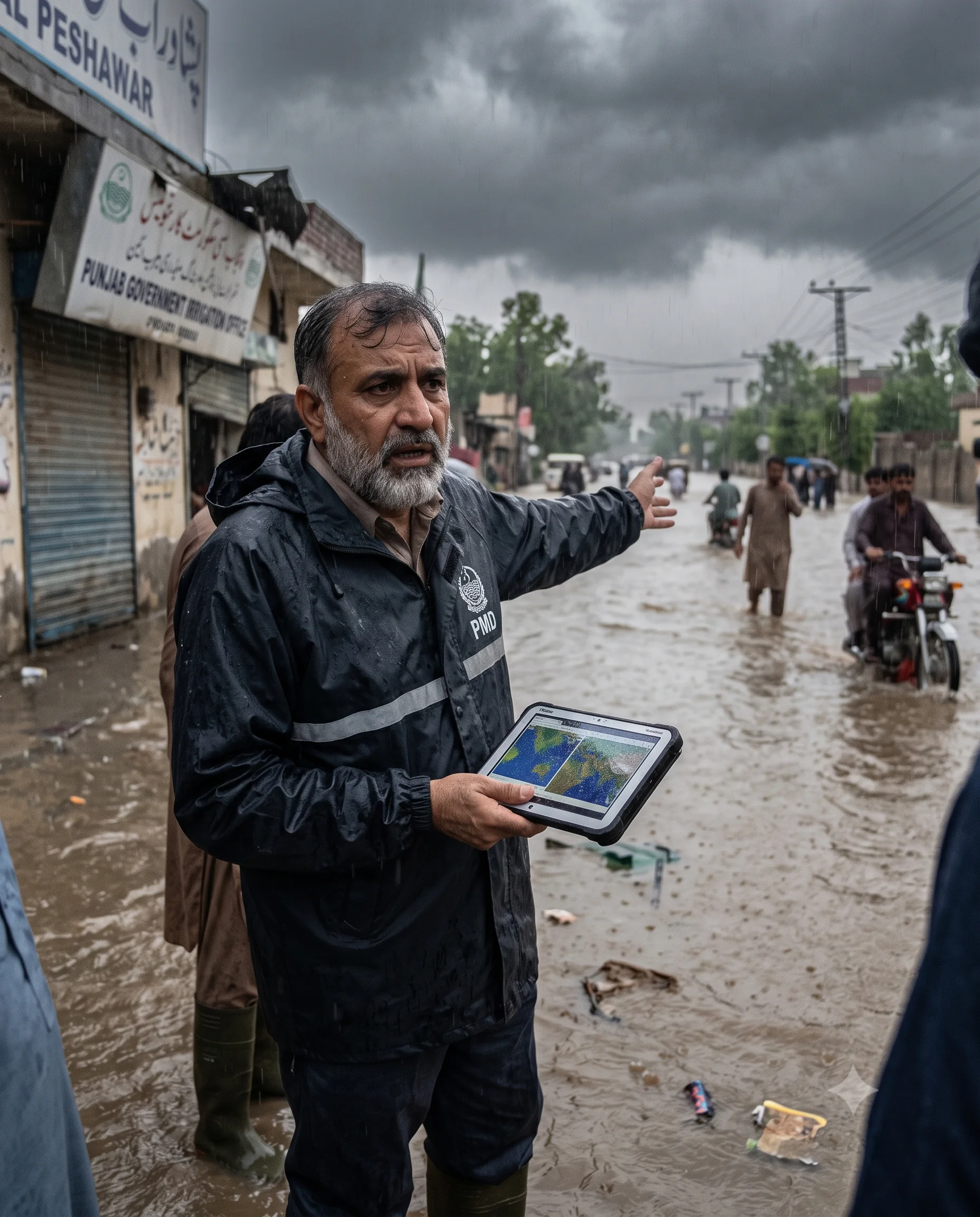
Pakistan Monsoon Rains Leave Around 100 Dead as Authorities Brace for More Heavy Rain
Pakistan monsoon rains have claimed around 100 lives since the current spell of the monsoon began on June 26, while authorities are preparing for another round of heavy rainfall expected across much of the country. Weather officials and disaster management agencies have warned that additional rain could trigger flash floods, urban flooding, landslides, and rising river levels in several regions, raising concerns over public safety and infrastructure.
The developing situation highlights the country’s ongoing struggle to manage increasingly severe weather events that affect both densely populated cities and remote mountainous regions. With more rain forecast through July 28, emergency services remain on alert as provincial and federal authorities continue monitoring vulnerable areas.
Pakistan Monsoon Rains Continue to Threaten Multiple Regions
According to the Pakistan Meteorological Department (PMD), widespread rain accompanied by thunderstorms is expected to continue across various parts of the country through July 28.
The National Disaster Management Authority (NDMA) has also warned that persistent rainfall may increase the risk of overflowing rivers, flash floods, urban flooding, and landslides in vulnerable districts.
Officials have urged residents living near rivers, streams, and mountainous terrain to remain cautious and closely follow official weather advisories.
Northern Areas Face Flood Damage and Disruptions
Among the worst-affected regions is Gilgit-Baltistan, where glacial lake outburst floods have damaged roads, disrupted transport links, and stranded tourists.
Floodwaters have also interrupted electricity supply in some affected areas, creating additional challenges for emergency response teams.
The difficult terrain has complicated rescue and relief operations, with several communities becoming temporarily isolated due to damaged road networks.
Authorities continue working to restore access to affected valleys while monitoring the risk of additional flooding.
Punjab Cities Experience Severe Urban Flooding
Punjab has also experienced significant impacts from the ongoing monsoon spell.
Lahore recorded its heaviest rainfall of the current season, resulting in widespread water accumulation across several areas of the city.
Meanwhile, Gujranwala and Sialkot reported extensive flooding that affected roads, residential neighborhoods, and public infrastructure.
Floodwaters have also damaged agricultural land, livestock, and transport networks in several districts, affecting both rural communities and urban residents.
Local administrations have continued drainage operations while emergency teams remain deployed in vulnerable locations.
Humanitarian Challenges Grow During the Monsoon
The widespread impact of the current weather system demonstrates how rapidly heavy rainfall can develop into a humanitarian emergency.
Communities affected by flooding often face disruptions to transportation, electricity, healthcare access, clean drinking water, and communications.
Families displaced by floodwaters may also require temporary shelter, food assistance, and medical support until conditions improve.
Emergency response agencies have continued coordinating relief efforts, although difficult access in some northern regions remains a challenge.
Climate Change and Infrastructure Challenges
Experts have increasingly linked more frequent and intense weather events to climate change, which is contributing to heavier rainfall and greater flood risks across South Asia.
However, disaster preparedness also depends heavily on infrastructure and effective urban planning.
Repeated monsoon seasons have exposed long-standing issues such as:
- Poor drainage systems
- Blocked stormwater channels
- Construction in flood-prone areas
- Weak infrastructure
- Road damage after heavy rainfall
- Delayed emergency response in some locations
While authorities have reported improvements in drainage maintenance and desilting efforts in certain cities, flooding in major urban centres suggests that significant challenges remain.
The effectiveness of flood mitigation measures is often measured by how well they protect communities during extreme weather rather than by planning announcements alone.
Lessons From the 2022 Flood Disaster
Pakistan’s devastating floods in 2022 highlighted the country’s vulnerability to climate-related disasters.
The catastrophe affected millions of people, caused extensive damage to homes, agriculture, roads, and public infrastructure, and prompted widespread calls for stronger climate adaptation policies.
Several initiatives have since been introduced to improve disaster preparedness.
However, recurring flooding during subsequent monsoon seasons indicates that continued investment in resilient infrastructure, improved planning, and stronger coordination between institutions remains essential.
Authorities Urged to Prioritise Public Safety
With additional rainfall expected, disaster management agencies are being encouraged to focus on preventing further casualties.
Priority measures include:
Strengthening Emergency Response
Emergency supplies such as rescue boats, food, medicines, generators, and communication equipment can be positioned in high-risk districts before severe weather arrives.
Improving Public Warnings
Authorities can continue issuing weather alerts through television, radio, mobile services, and local-language communication channels to ensure warnings reach vulnerable communities promptly.
Restoring Access to Isolated Areas
Road connections to remote northern valleys remain important for rescue operations and relief distribution. In locations where road access remains unavailable, air support may be necessary to deliver assistance.
Securing Critical Infrastructure
Power distribution systems and other essential facilities require close monitoring during periods of intense rainfall to reduce safety risks.
Local administrations may also temporarily restrict access to dangerous underpasses, riverbanks, and mountain routes where flooding or landslides are likely.
Long-Term Flood Preparedness Remains Essential
Beyond the current emergency, disaster experts continue to emphasise the importance of long-term planning.
Potential measures include expanding early-warning systems, improving monitoring of glacial lakes, publishing district-level flood risk maps, and preventing construction on natural waterways and floodplains.
Independent reviews of disaster preparedness programmes may also help identify areas where flood response can be strengthened before future monsoon seasons.
As climate-related weather events become more frequent, effective preparedness will remain one of the most important tools for reducing the loss of life and property across Pakistan.
Why This Matters
Pakistan experiences seasonal monsoon rainfall every year, but increasingly intense weather patterns continue to place additional pressure on infrastructure, emergency services, agriculture, and local communities.
The current monsoon emergency serves as another reminder that disaster preparedness requires continuous investment, effective planning, and coordinated response efforts to reduce the impact of future extreme weather events.
Source:
- Pakistan Meteorological Department (PMD)
- National Disaster Management Authority (NDMA)
- Original editorial provided by the user
Our audience means everything to us.
Have feedback or suggestions to make us better? We’re always listening—feel free to get in touch with us at editor@truthorahub.com






Leave a Comment