

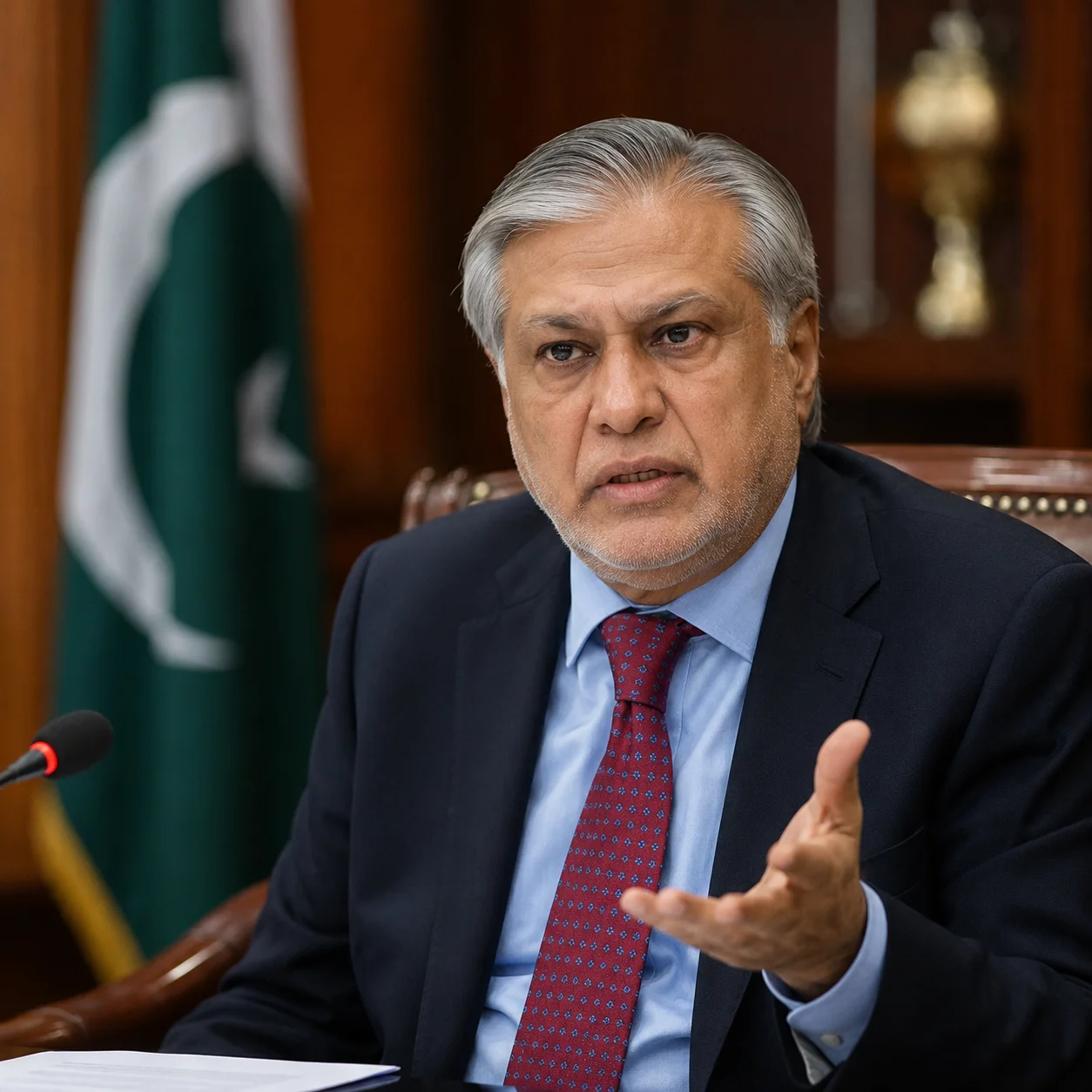
Islamabad — Pakistan’s Deputy Prime Minister and Foreign Minister, Ishaq Dar, has launched a high-level diplomatic mission to secure the release and repatriation of 31 seafarers currently detained aboard vessels seized by US authorities.
The group, consisting of 11 Pakistani and 20 Iranian nationals, is reportedly situated in waters near Singapore. The move comes as Islamabad continues to play a pivotal role as a mediator in the escalating tensions between Washington and Tehran.
High-Level Coordination with Singapore and Iran
In a statement shared on social media platform X, Minister Dar confirmed he had reached out to Singaporean Foreign Minister Vivian Balakrishnan. The primary goal is to ensure the physical welfare of the crew members and expedite their return home.
Key updates from the diplomatic front include:
-
Singapore’s Role: Pakistan has requested logistical and humanitarian support from Singapore to manage the crew’s transition.
-
The Iran Connection: Dar held talks with Iranian Foreign Minister Abbas Araghchi, reaffirming that Pakistan is ready to act as a transit hub for the safe return of the 20 Iranian nationals.
-
Trilateral Cooperation: The Foreign Office is currently liaising with both US and Iranian officials to resolve the status of the seized vessels and their personnel.
A Track Record of Successful Mediation
This latest effort follows a successful operation on Monday, where Pakistan facilitated the repatriation of 22 Iranian crew members from the seized container ship MV Touska.
“Pakistan stands ready to facilitate the safe repatriation of Iranian nationals to Iran via Pakistan,” Dar stated, highlighting the “confidence-building measures” currently being brokered between the US and Iran on Pakistani soil.
Geopolitical Context: The Strait of Hormuz Crisis
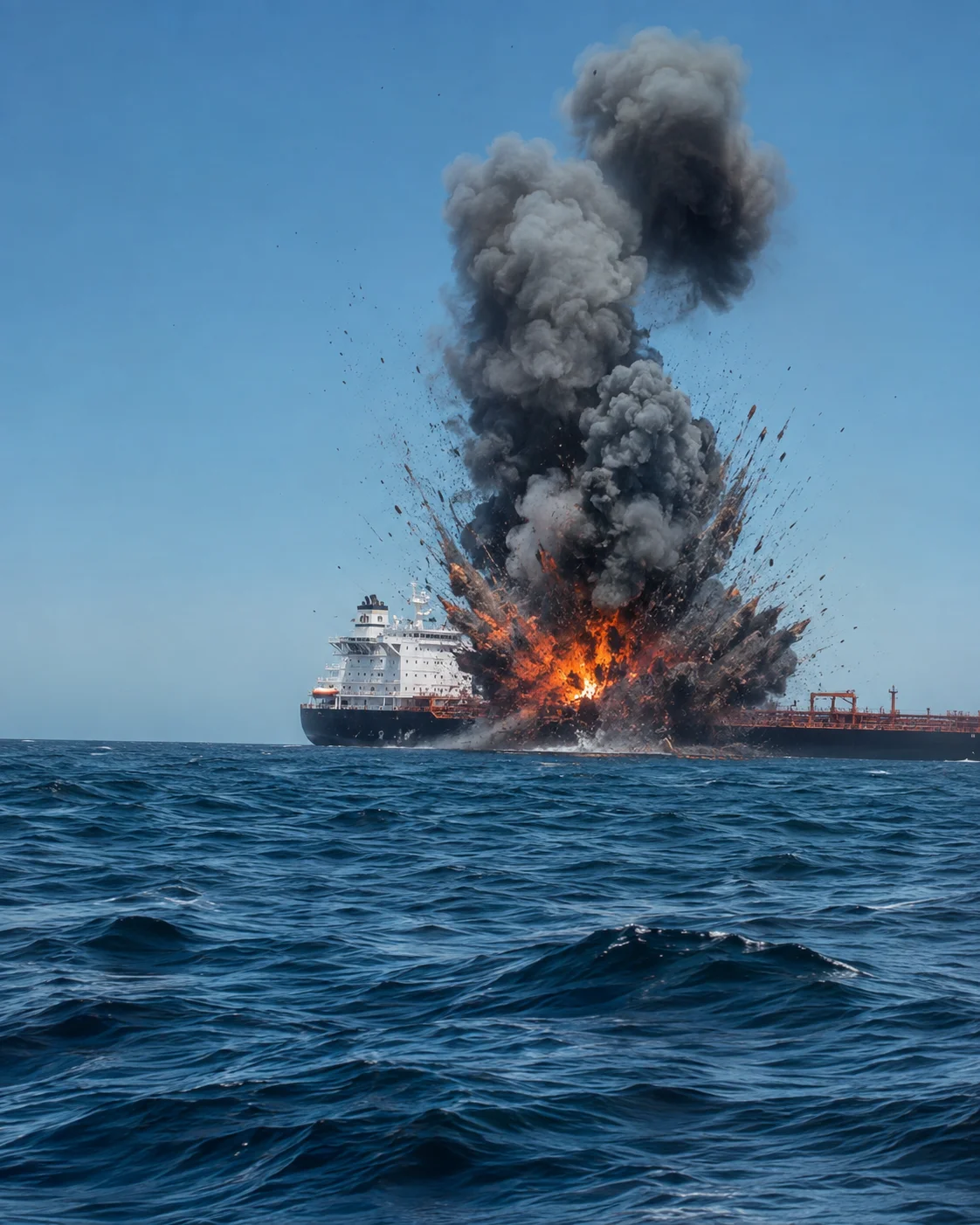
The detention of these sailors is a byproduct of the wider conflict in the Middle East. Following a period of military strikes between the US, Israel, and Iran in February, the Strait of Hormuz—the world’s most critical oil chokepoint—became a theater of maritime blockades.
-
Project Freedom Paused: Following mediation by Prime Minister Shehbaz Sharif and other regional leaders, President Donald Trump recently announced a pause in “Project Freedom,” a US military operation intended to escort tankers through the Strait.
-
Energy Impact: The closure of the waterway, which handles roughly 20% of global oil and LNG, has triggered a massive spike in global energy prices.
-
Secret Talks: Last weekend, Islamabad hosted the highest-level direct talks between the US and Iran since 1979. While no final agreement was reached, the existing ceasefire has largely held.
The Human Cost of the Blockade
President Trump recently acknowledged the dire situation of crews “locked up” in the Gulf for over two months, noting that many vessels are running dangerously low on food and medical supplies. Pakistan’s proactive stance in rescuing these seafarers is being viewed as a vital humanitarian bridge amid the standoff.
As the US and Iran move closer to what Trump described as a “Complete and Final Agreement,” the safe return of these 31 sailors remains a top priority for the Pakistani government.
Our audience means everything to us.
Have feedback or suggestions to make us better? We’re always listening—feel free to get in touch with us at truthora2026@gmail.com


Leave a Comment