

Karachi Kidney Disease Screening to Expand Through Union Councils
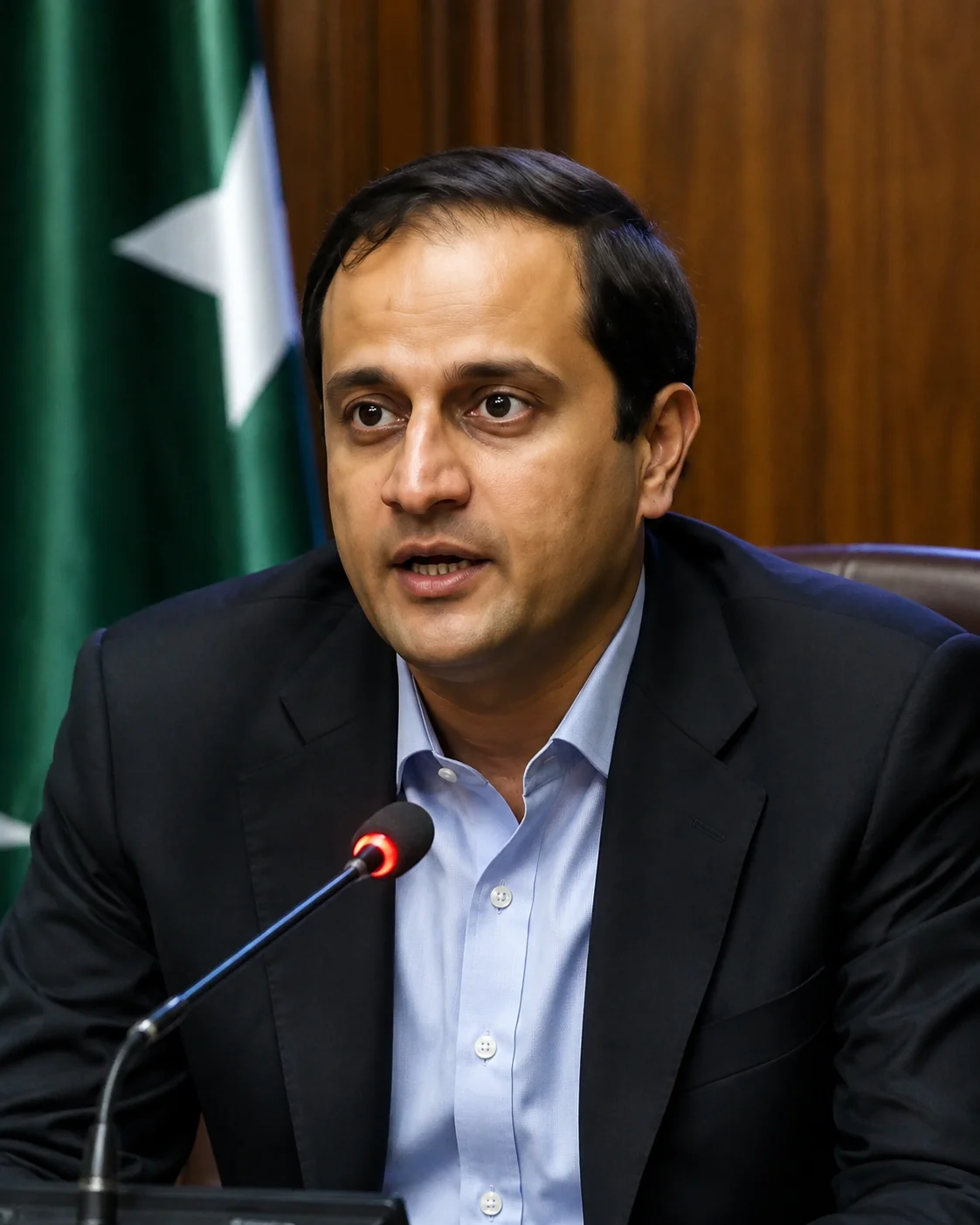
Karachi kidney disease screening is set to expand beyond specialised medical facilities, with Mayor Barrister Murtaza Wahab directing the Karachi Institute of Kidney Diseases (KIKD) to organise screening activities across the city’s union councils.
The planned programme will establish screening camps closer to residential communities, allowing people to undergo initial checks without having to travel to specialised healthcare facilities.
According to the announcement, the initiative is intended to help authorities develop a clearer understanding of the prevalence of kidney disease in Karachi while identifying residents who may require further medical evaluation.
The programme will be coordinated with union council chairmen, with large-scale camps planned across different parts of the city.
Karachi kidney disease screening to reach local communities
Under the planned initiative, KIKD will work with union council representatives to arrange screening camps at the local level.
The approach is designed to bring preliminary kidney health checks closer to residents, particularly people who may face difficulties accessing specialised hospitals or medical institutions.
Rather than requiring residents to travel to KIKD for an initial assessment, the programme will take screening services into communities.
The initiative is part of the Karachi Metropolitan Corporation’s broader focus on expanding preventive healthcare services, according to the announcement.
The city administration says identifying potential kidney problems earlier could allow residents to receive medical advice and appropriate follow-up care sooner.
Mayor seeks clearer picture of kidney disease in Karachi
Mayor Murtaza Wahab said the city needs better information about the number of people affected by kidney diseases.
The planned union council-level screening is expected to provide authorities with information that can help establish a clearer picture of kidney-related health problems across Karachi.
At present, the announcement did not provide a citywide prevalence figure.
The screening programme is therefore expected to serve two purposes: helping identify residents who may have kidney-related problems and generating information that could assist authorities in understanding the scale of the issue.
The results of individual screenings would also help determine which residents need further medical assessment.
How the screening programme will work
The KIKD administration has been directed to organise screening camps in coordination with union council chairmen.
These camps will provide residents with access to initial kidney screening within or closer to their local communities.
People identified as potentially requiring further attention can then be directed toward appropriate medical care.
The announcement did not provide a detailed schedule for the camps, specify the number of screening locations or outline the exact medical tests that will be offered.
Further operational details are expected to be announced by the relevant authorities as the programme is organised.
This distinction is important because community screening is intended to identify people who may need further evaluation; it does not by itself establish a final medical diagnosis.
KIKD to play central role in initiative
The Karachi Institute of Kidney Diseases will be responsible for organising the screening programme.
KIKD is a kidney-focused medical facility associated with the Karachi Metropolitan Corporation. The institute has previously been involved in dialysis and kidney-related treatment services.
In 2022, Dawn reported that KIKD was undergoing an expansion aimed at increasing its dialysis capacity. At the time, the institute’s administration said the facility was providing dialysis services and treating patients with kidney-related conditions.
The new screening initiative would place greater emphasis on prevention and early identification rather than relying solely on patients reaching specialised facilities after symptoms or complications develop.
Focus shifts toward preventive healthcare
The proposed programme reflects a broader public-health approach in which medical authorities seek to identify potential health problems before they require more intensive treatment.
Kidney diseases can require long-term medical management, making early identification relevant to patients and healthcare providers.
However, the Karachi administration has not provided any estimate of how many residents are expected to be screened or how many cases the programme could identify.
The initiative’s impact will depend on the number of screening camps held, public participation and the follow-up arrangements available for residents who require additional medical assessment.
Public awareness campaign also planned
Alongside the screening programme, Mayor Wahab announced a public awareness campaign focused on kidney diseases.
The campaign will highlight the importance of early screening, timely diagnosis and appropriate treatment.
The awareness component is intended to encourage residents to pay greater attention to kidney health and seek medical advice when necessary.
The city administration has not yet released details about the campaign’s duration, communication channels or specific educational materials.
Those details may become clearer once the KMC and KIKD finalise the programme’s implementation plan.
Why community-level screening matters
Access to specialised healthcare can vary across a large city such as Karachi.
Residents living far from specialised hospitals may face additional travel requirements when seeking medical assessment. Bringing initial screening closer to neighbourhoods could reduce some of these barriers.
Union council-level camps could also make it easier for people to access preliminary health checks within their communities.
For the authorities, the programme could provide useful information about potential kidney disease cases across different parts of Karachi.
However, screening alone is not sufficient. Residents who receive an abnormal or concerning result would require appropriate follow-up, confirmation and treatment through qualified medical professionals.
KMC’s wider healthcare role
The kidney screening initiative is being presented as part of the Karachi Metropolitan Corporation’s broader efforts to improve access to healthcare at the grassroots level.
KMC has also taken other healthcare-related measures in recent years. In May 2026, Dawn reported that the corporation introduced a medical insurance facility covering around 11,500 KMC employees.
The proposed kidney screening programme is different in scope because it is aimed at the wider population rather than only municipal employees.
Its focus is on early identification and awareness within local communities.
What happens next?
The next stage will involve KIKD working with union council chairmen to plan and conduct the screening camps.
Authorities will need to determine the locations, schedules and screening procedures before residents can participate.
The programme will also require a system for referring people who need further medical evaluation.
For residents, official information about screening locations and dates will be important before attending any camp.
The KMC announcement does not currently provide a timeline for when the first camps will begin.
A preventive approach to kidney health
The proposed Karachi kidney disease screening programme marks an effort to take initial health screening closer to residents rather than relying entirely on specialised hospitals.
Its stated objectives are to identify potential kidney disorders earlier, improve access to preliminary screening and help authorities understand the prevalence of kidney disease in the city.
The programme’s eventual effectiveness will depend on implementation, public participation and the availability of appropriate follow-up care.
For now, the KMC has directed KIKD to begin planning the citywide initiative, while a public awareness campaign on kidney disease is also being prepared.
Source:
- Karachi Metropolitan Corporation / Mayor Murtaza Wahab — Information provided in the announcement regarding the planned citywide kidney screening programme and awareness campaign.
- Dawn — Background reporting on the Karachi Institute of Kidney Diseases and its healthcare services.
- Dawn — Reporting on KMC’s recent healthcare initiative for municipal employees.
Our audience means everything to us.
Have feedback or suggestions to make us better? We’re always listening—feel free to get in touch with us at editor@truthorahub.com





Leave a Comment