

Iran-US Talks Remain Frozen as Tehran Demands Change in Washington’s Conduct
Iran-US talks remain at a standstill after Tehran announced that it is not currently engaged in negotiations with Washington, saying any future diplomatic engagement will depend on significant changes in US behaviour. The remarks come amid heightened regional tensions, recent military exchanges, and ongoing disputes over the Strait of Hormuz and Iran’s nuclear programme.
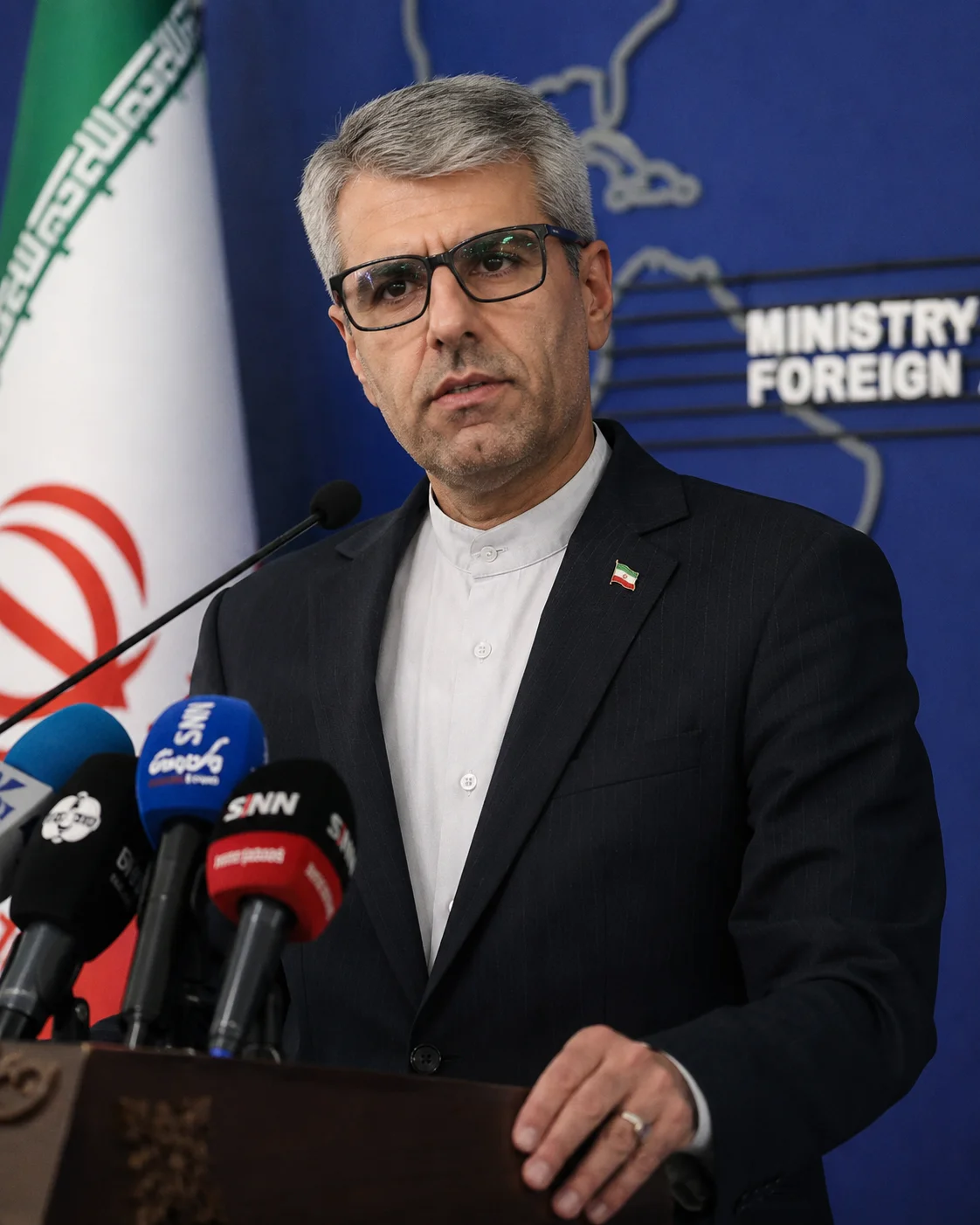
The statement was made on Monday by Iranian Foreign Ministry spokesperson Esmaeil Baghaei during a media briefing, where he rejected reports suggesting that Tehran had approached the United States to restart negotiations.
Iran Rejects Reports of Seeking Negotiations
Baghaei said reports claiming Iran had requested talks with Washington do not reflect Tehran’s position.
According to comments carried by Iran’s semi-official Mehr news agency, he stressed that diplomacy remains an important tool for protecting Iran’s national interests but clarified that no direct negotiations with the United States are currently taking place.
He said Iran has consistently relied on diplomatic channels whenever they serve the country’s interests but added that current circumstances do not support formal engagement with Washington.
Tehran Sets Conditions for Future Iran-US Talks
When asked whether negotiations could resume, Baghaei said any future dialogue would depend on changes in the United States’ conduct.
He argued that Washington must demonstrate what he described as more responsible behaviour before meaningful discussions can begin. The spokesperson also accused the US of disregarding international law in recent years, saying such actions have created an environment that makes diplomatic progress difficult.
While Baghaei acknowledged that intermediaries may be exchanging messages between both governments, he reiterated that no direct negotiations are underway at this time.
Military Situation Appears to Have Stabilised
The diplomatic remarks followed comments made a day earlier by Iranian military spokesperson Amir Mohammad Akraminia.
According to Iranian officials, US attacks had ceased over the previous two days, while Iran’s own military operations had also stopped.
Separately, Axios reported on Saturday that US President Donald Trump had instructed the American military not to carry out additional strikes on Iran, bringing nearly two weeks of daily attacks to an end. The report has not been independently verified within the information available.
Escalation Followed Dispute Over Strait of Hormuz
Relations between Tehran and Washington have sharply deteriorated in recent weeks following military exchanges across the region.
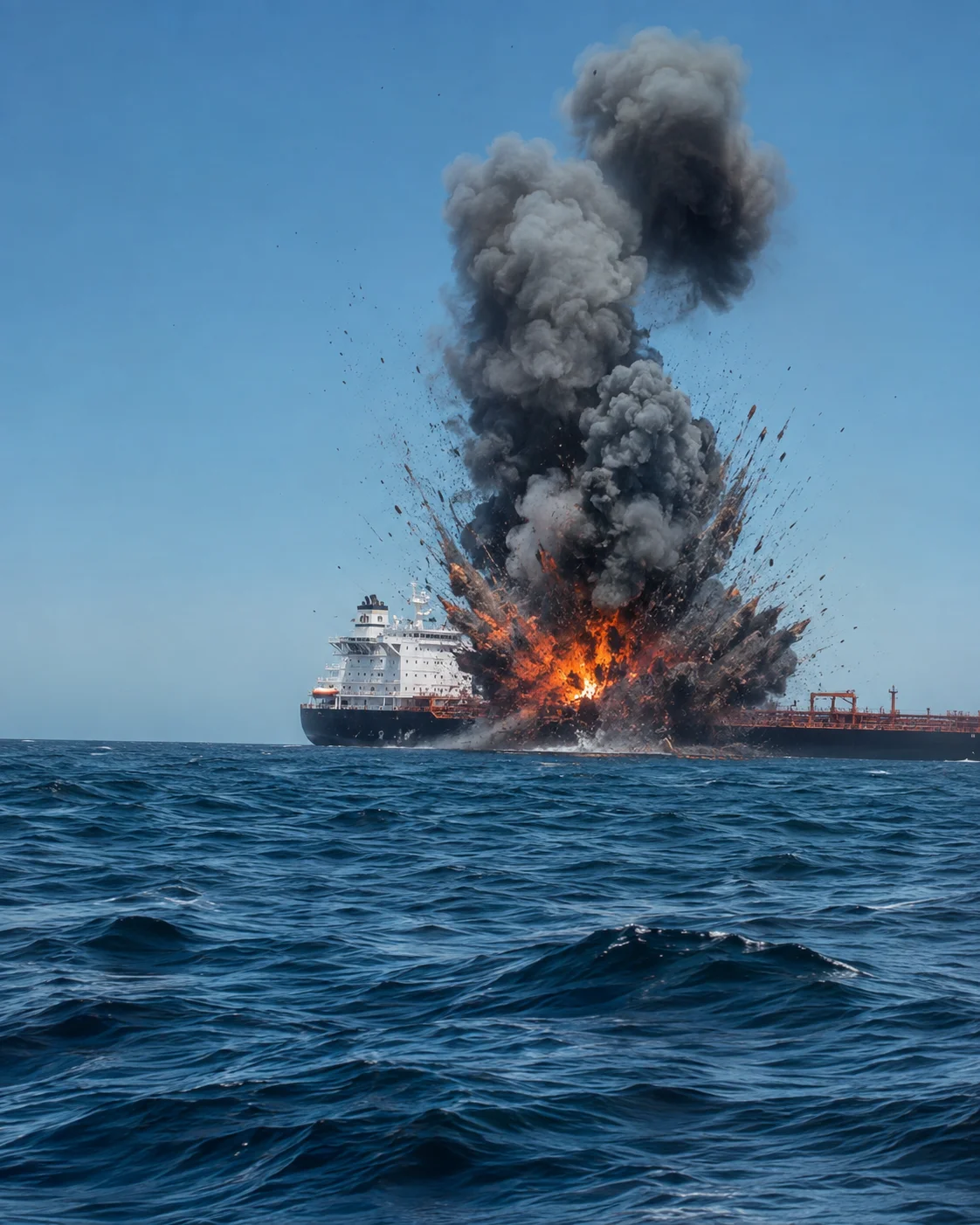
The United States launched strikes against Iran after Tehran targeted vessels travelling through the Strait of Hormuz, one of the world’s most strategically important maritime routes for global energy supplies.
Washington has encouraged commercial shipping to use routes close to Oman’s coastline, while Iran maintains that vessels should travel through a channel nearer its own coast, where it says it has authority to regulate maritime traffic and impose transit fees.
The disagreement over navigation rights has become one of the central issues fueling tensions between the two countries.
Casualties and Regional Impact
The renewed conflict has resulted in significant human and infrastructure losses.
According to the information provided, the US bombing campaign caused dozens of deaths inside Iran and damaged bridges, tunnels and military installations, particularly in the country’s southern regions.
Meanwhile, Iran responded by targeting what it described as US military facilities and equipment located in neighbouring countries. Four American service members were reportedly killed during those retaliatory attacks.
The article also states that Iran struck civilian infrastructure in Gulf states, describing those attacks as retaliation for alleged US strikes on civilian targets.
These claims reflect the positions presented by the parties involved and remain part of the broader conflict narrative.
Oil Markets Face Continued Uncertainty
Regional instability has also raised concerns about global energy markets.
Last week, Yemen’s Houthi movement, which Iran considers an ally, announced plans to blockade Saudi Arabia’s oil industry through the Red Sea. The announcement contributed to renewed concerns over global oil supplies and reportedly pushed oil prices higher.
With military operations now appearing to have paused, analysts continue to watch whether diplomatic efforts can reduce the risk of further disruption to international shipping routes.
Disagreement Over June Framework
Although Washington and Tehran reached a framework agreement in June aimed at holding broader negotiations before the end of August, disagreements remain over key issues.
One major point of contention involves the interpretation of language concerning the Strait of Hormuz.
The United States maintains that the framework requires unrestricted passage for international shipping, while Iran argues that the agreement recognises its authority to supervise transit through waters under its control.
These differing interpretations have complicated efforts to move negotiations forward.
Oman Playing a Mediation Role
Iran is also pursuing discussions with Oman regarding the future management of the Strait of Hormuz.
A senior Omani delegation travelled to Tehran over the weekend for meetings focused on the strategic waterway.
Oman has frequently served as a mediator between Iran and Western governments and remains one of the few regional actors maintaining communication channels with both sides.
Whether these discussions eventually contribute to renewed Iran-US talks remains uncertain.
Netanyahu Expected to Meet Trump
The latest developments come ahead of a planned meeting between Israeli Prime Minister Benjamin Netanyahu and US President Donald Trump in Washington.
According to the information provided, Israel has not been directly involved in the US-Iran negotiations despite being a close American ally and having played a significant role in the broader regional conflict.
Observers will be watching whether the upcoming meeting influences Washington’s policy towards Tehran or affects future diplomatic efforts.
Why the Situation Matters
The continued suspension of Iran-US talks carries implications beyond bilateral relations.
The Strait of Hormuz remains one of the world’s busiest energy corridors, and any instability there can affect global oil prices, shipping costs and regional security.
At the same time, unresolved disagreements over Iran’s nuclear programme and maritime navigation continue to complicate diplomatic efforts.
While recent military activity appears to have eased, officials from both countries remain publicly far apart on the conditions necessary for restarting formal negotiations.
Until those differences are addressed, prospects for meaningful diplomatic progress remain uncertain.
Source:
- Mehr News Agency (Iran)
- Axios
Our audience means everything to us.
Have feedback or suggestions to make us better? We’re always listening—feel free to get in touch with us at editor@truthorahub.com


Leave a Comment