

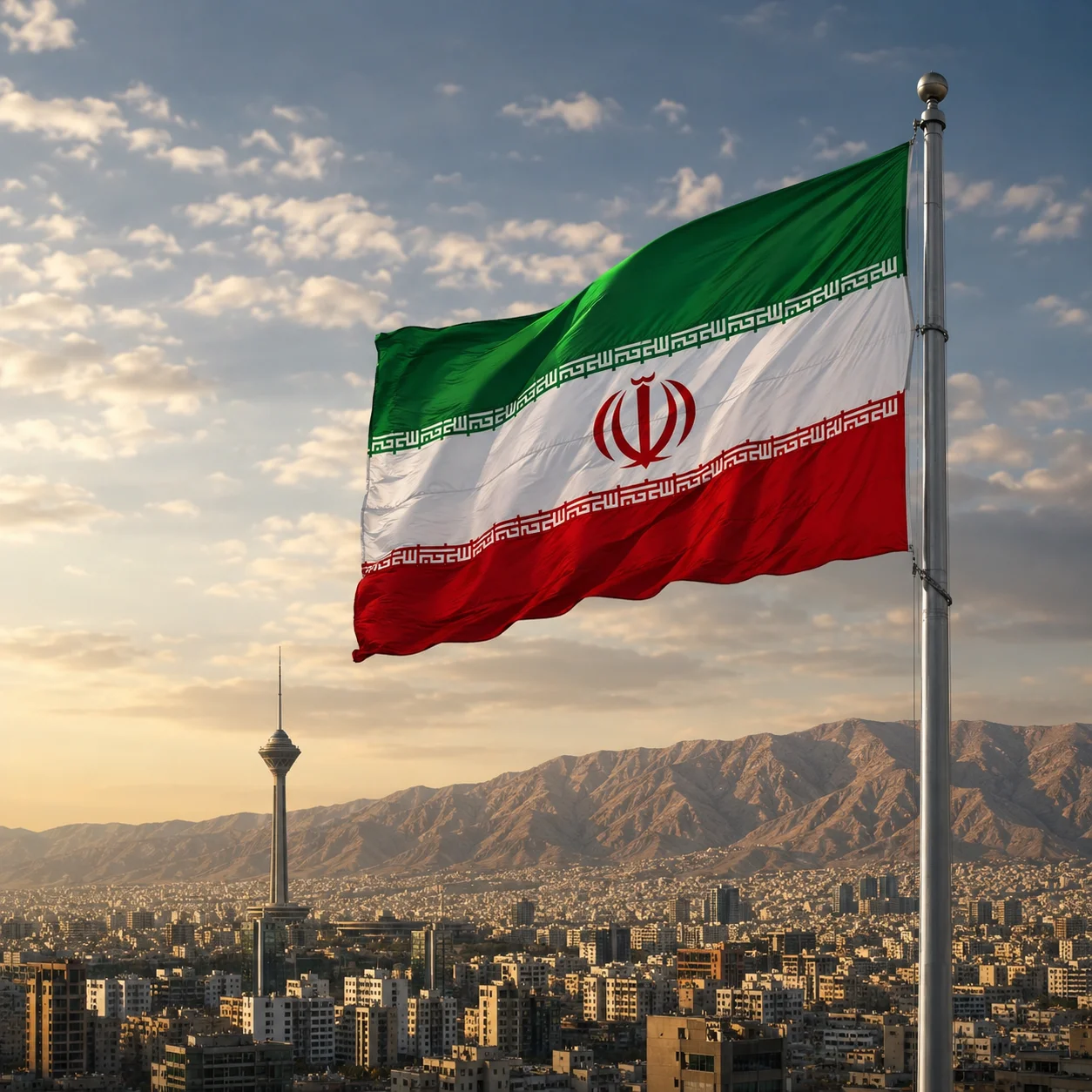
Can a New US-Iran Understanding Be Reached?
Relations between Iran and the United States have remained among the most complex and closely watched diplomatic issues in global politics for decades. From sanctions and nuclear negotiations to regional security concerns, every new development attracts international attention.
Now, a fresh round of discussions appears to be opening a new chapter.
Iran has made it clear that the release of its frozen financial assets is a major requirement for any future agreement with the United States. Senior Iranian officials say that any framework aimed at reducing tensions must include practical steps that directly address Tehran’s economic concerns.
The development comes at a time when reports suggest diplomatic efforts between the two countries may be moving closer toward a potential framework agreement after months of confrontation and uncertainty.
But what exactly is Iran demanding? Why are frozen assets so important? And could these negotiations reshape the future of US-Iran relations?
Frozen Assets Take Center Stage
One of the most important issues currently being discussed is Iran’s access to billions of dollars in assets that have remained frozen under sanctions and other restrictions.
Kazem Gharibabadi, Iran’s Deputy Foreign Minister for Legal and International Affairs, recently stated that Tehran expects at least half of these funds to be released immediately once a memorandum of understanding is signed between the two countries.
According to Iranian officials, the remaining funds should become available within one to two months through a clearly defined implementation process.
From Iran’s perspective, these assets legally belong to the country and should be returned without delay.
Iran argues that access to these funds would help strengthen economic stability, support development projects, and improve the country’s financial position after years of economic pressure.
The issue has therefore become more than a financial matter—it has evolved into a symbol of trust and commitment in the negotiations.
Why Are Iran’s Assets Frozen?
To understand the significance of the demand, it is important to look at the broader history.
Over the years, various US sanctions targeting Iran’s economy, banking sector, energy industry, and financial institutions have restricted Tehran’s access to overseas funds.
As a result, billions of dollars linked to Iranian oil revenues and other financial transactions have remained inaccessible.
These restrictions were imposed as part of broader efforts related to concerns over Iran’s nuclear program, regional activities, and other geopolitical issues.
While different administrations have approached the issue in different ways, sanctions have remained a central feature of US policy toward Iran.
For many Iranian officials, regaining access to these assets represents one of the most visible signs that negotiations are producing meaningful results.
More Than Just Financial Demands
The release of frozen assets is only one part of a much larger list of Iranian expectations.
Officials have also called for the removal of various American sanctions, including both primary and secondary sanctions that affect businesses and countries dealing with Iran.
Tehran has additionally emphasized the need for what it describes as normalization of its position within major international institutions.
Iran believes that any future arrangement should go beyond temporary measures and provide long-term guarantees that economic restrictions will not simply return after a short period.
This reflects a broader concern that previous agreements often struggled because of changing political circumstances and disagreements over implementation.
As a result, Iranian negotiators appear focused on securing commitments that provide greater predictability and stability.
The Search for a Lasting Framework
Diplomatic observers note that one of the biggest challenges in US-Iran negotiations has always been implementation.
Reaching an agreement on paper is often easier than ensuring both sides carry out their obligations.
This is why Iranian officials are discussing detailed implementation timelines.
According to their proposal, technical and financial arrangements governing access to frozen assets could be completed within a 60-day period following the signing of a memorandum of understanding.
The emphasis on timelines suggests that Tehran wants concrete action rather than broad promises.
For negotiators on both sides, building confidence remains essential.
Without trust, even well-designed agreements can struggle to survive.
Regional Stability Remains a Key Issue
Beyond economics, Iran has linked future negotiations to wider regional concerns.
Officials have repeatedly argued that lasting stability requires addressing broader security issues throughout the Middle East.
The region has experienced years of tensions involving multiple countries, armed groups, and competing geopolitical interests.
Iranian representatives have stated that any future understanding should contribute to reducing hostilities and preventing further military confrontations.
These positions highlight how interconnected economic and security issues have become.
Diplomatic progress on one front often depends on developments in several others.
This reality makes negotiations significantly more complicated but also potentially more impactful.
What About Iran’s Nuclear Program?
No discussion involving Iran and the United States is complete without addressing the nuclear issue.
The topic remains one of the most sensitive and controversial aspects of their relationship.
Recently, Iranian officials strongly criticized comments and reports issued by the International Atomic Energy Agency (IAEA), the organization responsible for monitoring nuclear activities worldwide.
Iran argues that some concerns raised by the agency fail to fully account for recent attacks on nuclear facilities operating under international safeguards.
According to Iranian officials, these attacks disrupted monitoring systems and contributed to challenges cited in subsequent reports.
Tehran maintains that responsibility for such disruptions should not be placed solely on Iran.
The debate highlights the continuing tensions surrounding nuclear oversight and transparency.
The Debate Over Uranium Enrichment
One of the most frequently discussed aspects of Iran’s nuclear activities is uranium enrichment.
Critics often point to Iran’s enrichment levels as evidence of potential military ambitions.
Iran, however, rejects those claims.
Officials insist that their nuclear activities remain peaceful and consistent with their interpretation of international obligations.
They argue that discussions about enrichment percentages are frequently presented in political rather than technical terms.
The disagreement reflects a broader divide between Iran and several Western governments regarding how nuclear activities should be interpreted and monitored.
As long as these differences remain unresolved, nuclear issues are likely to continue influencing diplomatic relations.
Why the World Is Watching Closely
The outcome of these negotiations extends far beyond Washington and Tehran.
A successful understanding could have significant implications for global energy markets, international trade, regional security, and diplomatic relations.
Iran remains an important player in the Middle East and possesses some of the world’s largest energy resources.
Any easing of tensions could influence oil prices, investment opportunities, and broader economic conditions.
At the same time, a breakdown in negotiations could increase uncertainty and complicate efforts to stabilize the region.
This is why governments, businesses, and international organizations are closely monitoring developments.
The stakes are high for everyone involved.
Could a Deal Actually Happen?
This is perhaps the biggest question.
History suggests caution.
Previous attempts at resolving disputes between Iran and the United States have experienced periods of progress followed by setbacks.
Political changes, security incidents, and disagreements over implementation have often disrupted momentum.
However, both sides also understand the potential benefits of reducing tensions.
Economic opportunities, regional stability, and diplomatic engagement all provide incentives for continued dialogue.
Whether these incentives are strong enough to overcome longstanding differences remains to be seen.
What is clear is that negotiations appear to be entering an important phase.
The Reality Behind the Headlines
Behind every diplomatic statement lies a broader reality.
For ordinary citizens, these discussions are not simply about geopolitics.
They are about economic opportunities, business confidence, investment, employment, and regional security.
The release of frozen assets could have tangible economic effects.
Likewise, progress on sanctions and international cooperation could influence everyday life in meaningful ways.
This is why developments in US-Iran relations continue to attract attention around the world.
The consequences extend far beyond government offices and negotiating tables.
Final Thoughts
Iran’s insistence on the release of frozen assets demonstrates how central economic issues have become in the latest phase of discussions with the United States.
While major differences remain regarding sanctions, nuclear activities, regional security, and international oversight, both sides appear to recognize the importance of continued engagement.
Whether these negotiations ultimately produce a lasting agreement remains uncertain.
Yet the fact that detailed discussions are taking place suggests that diplomacy remains active despite years of tension.
For now, the world will be watching closely to see whether economic demands, political realities, and security concerns can be balanced in a way that creates a path forward.
As negotiations continue, the outcome could shape not only US-Iran relations but also the future stability of the wider Middle East.
Source:
Statements by Iran’s Deputy Foreign Minister Kazem Gharibabadi, reports from regional and international media, diplomatic briefings, and IAEA-related developments.
Our audience means everything to us.
Have feedback or suggestions to make us better? We’re always listening—feel free to get in touch with us at truthora2026@gmail.com



Leave a Comment