

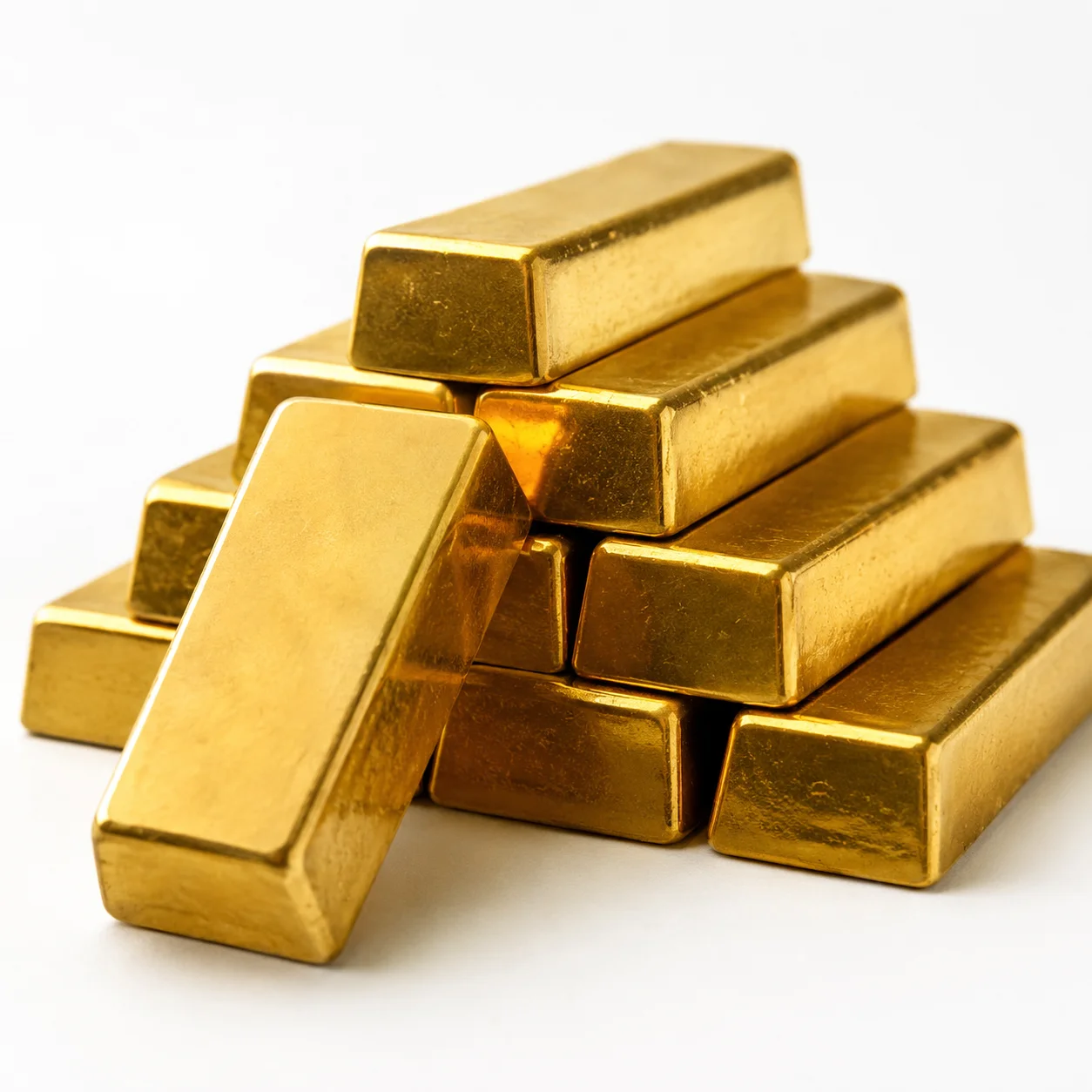
Gold has always held a special place in Pakistani culture — from wedding jewellery to long-term savings, it is woven into the financial and emotional fabric of everyday life. But if you’ve tried to buy or sell gold recently, you already know one thing for certain: the price almost never stays the same for long.
Why Gold Prices in Pakistan Change So Frequently
Pakistan does not set its own gold prices in isolation. The rates you see displayed at your local jeweller or announced by Sarafa Markets in Karachi, Lahore, and Peshawar are directly tied to what is happening on the international market — primarily the London Bullion Market and the New York COMEX exchange, where gold is traded around the clock.
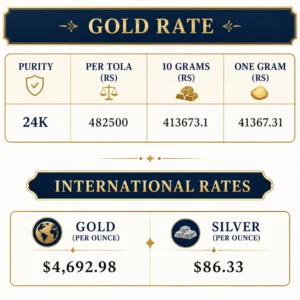
When global prices move — and they move constantly — local Pakistani rates adjust accordingly. On top of the international rate, the Pakistani rupee’s exchange rate against the US dollar plays a major role. When the rupee weakens, gold becomes more expensive in local terms even if international prices remain steady. This is why Pakistani buyers often feel the pinch more acutely than buyers in countries with stronger currencies.
What Moves Gold Prices Globally
Several key factors drive gold up or down on the world stage, and understanding them can help you time your purchases more wisely.
Geopolitical tension is one of the biggest drivers. When wars break out, sanctions are imposed, or major economies face political instability, investors around the world rush toward gold as a safe haven — pushing prices up sharply. The ongoing Middle East conflict, for instance, has contributed to elevated gold prices throughout 2025 and into 2026.
US interest rate decisions by the Federal Reserve also have a powerful impact. When interest rates rise, gold typically becomes less attractive because investors can earn returns elsewhere. When rates fall or uncertainty grows, gold tends to climb.
Inflation is another major factor. Gold has historically served as a hedge against inflation — when the purchasing power of paper currency erodes, gold holds its value, making it even more sought after.
How Pakistani Gold Rates Are Determined Locally
Once the international price is established, Pakistani gold associations — particularly the All Pakistan Sarafa Gems and Jewellers Association — announce official daily rates based on the per-tola and per-10-gram measurements that are standard in local markets. These rates are then followed by jewellers and bullion dealers across major cities.
It is worth noting that the rate you see announced is typically for 24-karat pure gold. Most jewellery sold in Pakistan is 22-karat, meaning it contains a slightly lower gold content, and is priced accordingly. Making charges are added separately by jewellers and can vary significantly from shop to shop.
Tips for Gold Buyers in Pakistan
If you are planning to buy gold — whether for investment or for an upcoming wedding — a few practical points are worth keeping in mind. Check the rate on the day of purchase from a reliable source such as your city’s Sarafa Market bulletin. Always ask for a receipt that specifies the karat purity and weight. Compare making charges across a few shops, as these can add a meaningful amount to your final cost. And if you are buying purely for investment, consider gold coins or bars over jewellery, since you avoid the making charge when selling later.
The Bottom Line
Gold remains one of Pakistan’s most popular stores of value, and for good reason. But it is a market that rewards the informed buyer. Keeping an eye on both international trends and the daily local announcements from Sarafa Markets gives you the best chance of buying smart — and selling at the right time.
Source:
General market knowledge and Sarafa Market pricing conventions, Pakistan
Our audience means everything to us.
Have feedback or suggestions to make us better? We’re always listening—feel free to get in touch with us at truthora2026@gmail.com





Leave a Comment