

Can Longer Shopping Hours Revive Pakistan’s Eid Economy?
As Eidul Azha approaches, traders across Pakistan are finally seeing a small ray of hope. After weeks of complaints from retailers, the governments of Punjab and Sindh have relaxed market closing hours, allowing businesses to stay open later into the night.
For shopkeepers in cities like Lahore, Karachi and Rawalpindi, the decision could not have come at a better time. But one major question remains: will extended shopping hours be enough to overcome inflation and weak consumer spending?
Why Were Traders Concerned?
Under earlier energy-saving measures, markets were shutting down around 8pm — a move retailers say badly hurt business activity.
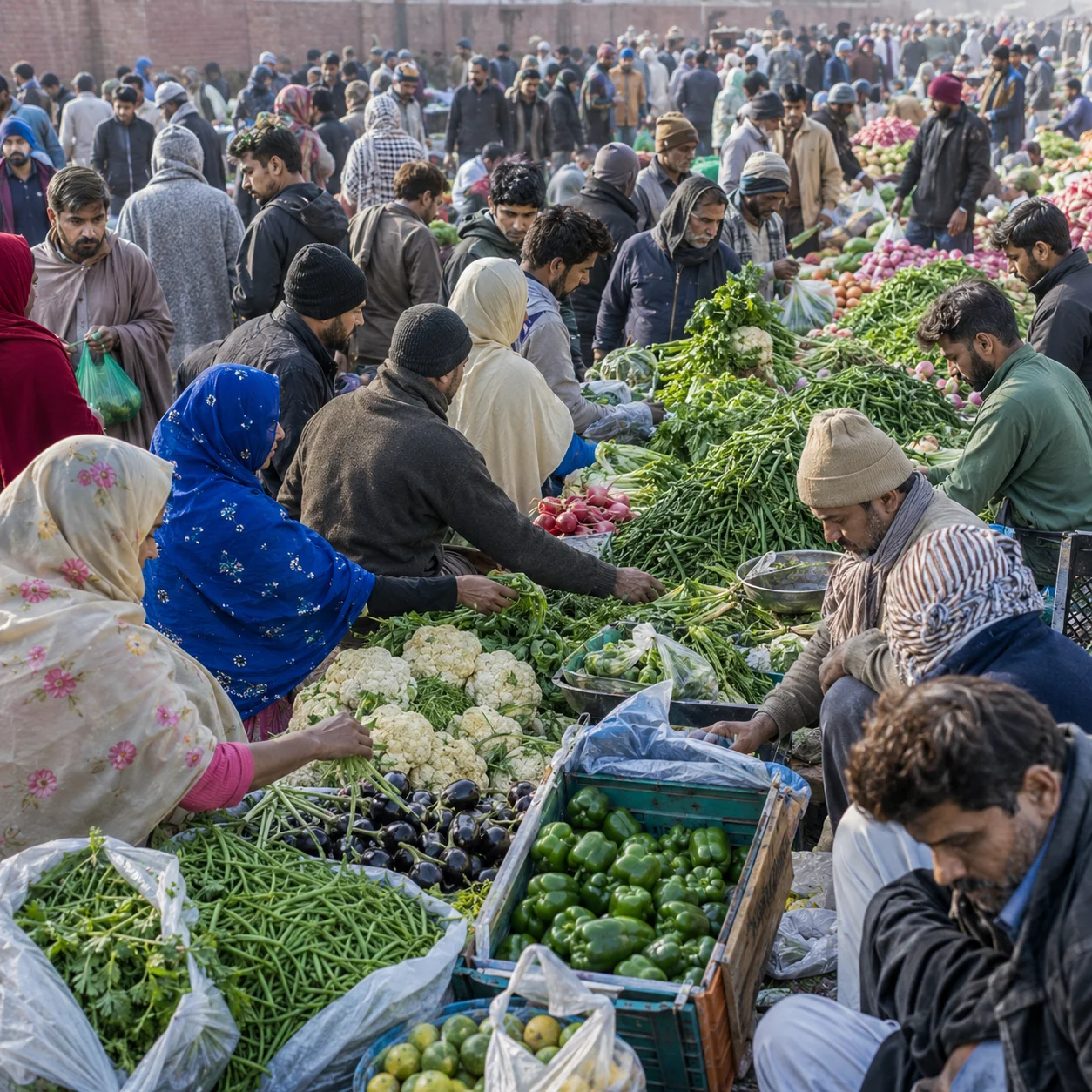
In Pakistan, especially during festive seasons, shopping usually begins after dinner and continues late into the night. Families crowd markets, food streets, shopping malls and clothing centres until midnight in the final days before Eid.
Retailers argue that cutting business hours reduced customer traffic during peak shopping times, causing heavy financial losses across the retail sector.
According to traders, billions of rupees in potential sales were affected because consumers simply didn’t have enough time to shop.
Pakistan’s “Night Economy” Matters More Than Many Realise
Textile trader Anis Ahmad explained that Pakistan’s urban shopping culture depends heavily on evening activity.
From clothing brands to roadside vendors, countless businesses rely on nighttime customers to survive — especially during Eid seasons. Analysts believe the informal and late-night economy plays a massive role in keeping urban commerce active.
Without busy evenings, many retailers struggle to cover rising operational costs.
Eid Shopping Faces a New Problem — Inflation
Even though markets are now staying open later, consumers are still spending carefully.
Why? Because inflation is making almost everything more expensive.
Fuel prices, transportation costs and supply chain disruptions have pushed up prices across the country. The impact is especially visible in cattle markets ahead of Eidul Azha.
In several major cities, goats that previously sold between Rs100,000 and Rs125,000 are now being offered for as high as Rs180,000 to Rs220,000.
For many middle-class families, buying sacrificial animals has become far more difficult this year.
Buyers Waiting for Prices to Fall
Consumers say they are now delaying purchases in the hope that prices may drop closer to Eid.
Buyer Shayan Baig noted that almost every category of sacrificial animal has become significantly more expensive compared to last year.
Many households are now revising budgets, prioritising essential shopping and avoiding unnecessary spending.
Could last-minute bargaining bring prices down? Buyers certainly hope so.
Livestock Traders Say Their Costs Have Also Increased
On the other side, livestock sellers insist they are not entirely responsible for the price hikes.
Traders explain that transportation expenses, fodder prices and logistical costs have surged in recent months. Bringing animals from rural areas into large urban markets has become increasingly expensive.
The livestock business remains one of Pakistan’s biggest seasonal economic activities during Eidul Azha, supporting transporters, farmers, labourers and thousands of temporary workers.
Shoppers Are Returning — But Spending Carefully
Retailers say customer footfall has improved since market timings were relaxed, but consumer behaviour has changed noticeably.
Garment retailer Ahsan Sheikh observed that shoppers are still visiting markets, but they are now far more price-conscious than before.
Families are focusing on basic Eid purchases rather than luxury spending or bulk shopping.
This cautious spending trend reflects the broader economic pressure many households are currently facing across Pakistan.
Will Extended Timings Be Enough?
Despite economic challenges, traders remain optimistic that the final days before Eid could still bring stronger business activity.
Longer shopping hours may provide some breathing room for retailers struggling with declining sales, while consumers hope for better deals in both shopping centres and cattle markets.
For now, Pakistan’s Eid economy stands between hope and hardship — with businesses relying heavily on late-night crowds to keep momentum alive during one of the country’s busiest festive seasons.
Source:
Our audience means everything to us.
Have feedback or suggestions to make us better? We’re always listening—feel free to get in touch with us at truthora2026@gmail.com



Leave a Comment