

Yemen Houthi Threat Raises Concerns Over Red Sea Shipping Security
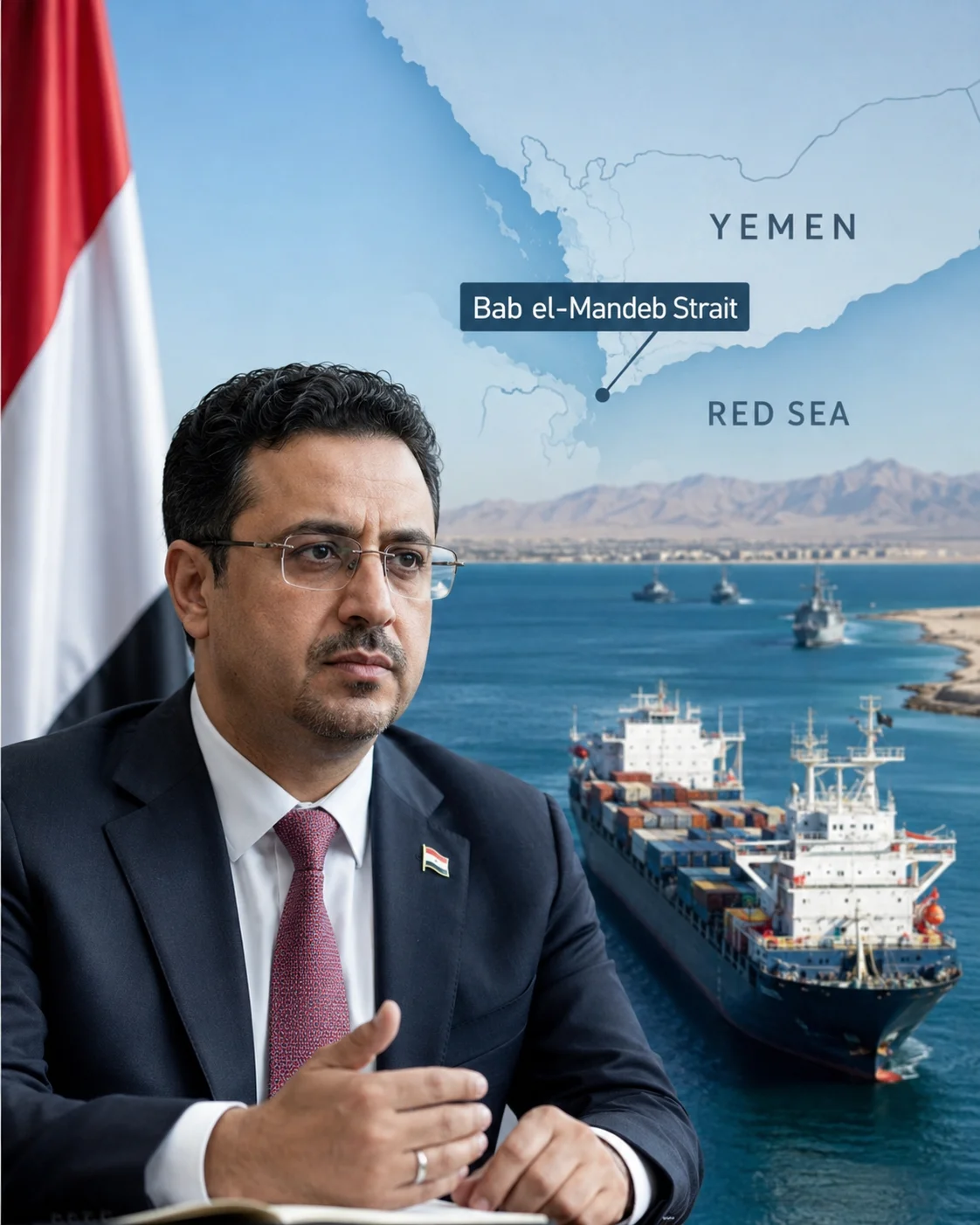
The Yemen Houthi threat has once again become a major focus in the Middle East after senior Yemeni officials warned that the armed group is attempting to expand its influence over one of the world’s busiest maritime routes. According to Reuters, Yemen’s foreign minister-designate said the Houthis appear to be following Iran’s strategy of using strategic waterways as leverage, this time by targeting shipping in the Red Sea through the Bab el-Mandeb Strait.
The warning comes amid increasing military exchanges between the Houthis and Saudi Arabia, raising fears that the fragile ceasefire in Yemen could collapse and push the country back into a broader conflict.
Yemeni Official Warns of Strategy Targeting Red Sea Shipping
Speaking to a small group of journalists at the Yemeni Embassy in Riyadh on Monday, Yemen’s foreign minister-designate, Afrah Al-Zouba, said the Houthi movement aims to replicate Iran’s approach in the Strait of Hormuz by disrupting commercial shipping through the Bab el-Mandeb Strait.
According to Reuters, Al-Zouba said such a strategy could threaten two of the world’s most strategically important maritime gateways—one connecting the Persian Gulf to international markets and the other linking the Red Sea with global shipping routes.
She argued that the international response to recent Houthi actions has not been strong enough, which she believes has encouraged further escalation.
Why the Bab el-Mandeb Strait Matters
A Critical Global Shipping Route
The Bab el-Mandeb Strait lies between Yemen and the Horn of Africa and serves as a vital passage connecting the Red Sea to the Gulf of Aden and the Indian Ocean.
Thousands of commercial vessels carrying oil, fuel, manufactured goods, and consumer products pass through the narrow waterway every year. Any disruption in the area can delay international trade, increase shipping costs, and affect global supply chains.
Because of its strategic location, the strait has long been viewed as one of the world’s most important maritime chokepoints.
Rising Military Tensions Between Saudi Arabia and the Houthis
According to Reuters, the Red Sea has increasingly become another area of confrontation involving the Houthi movement.
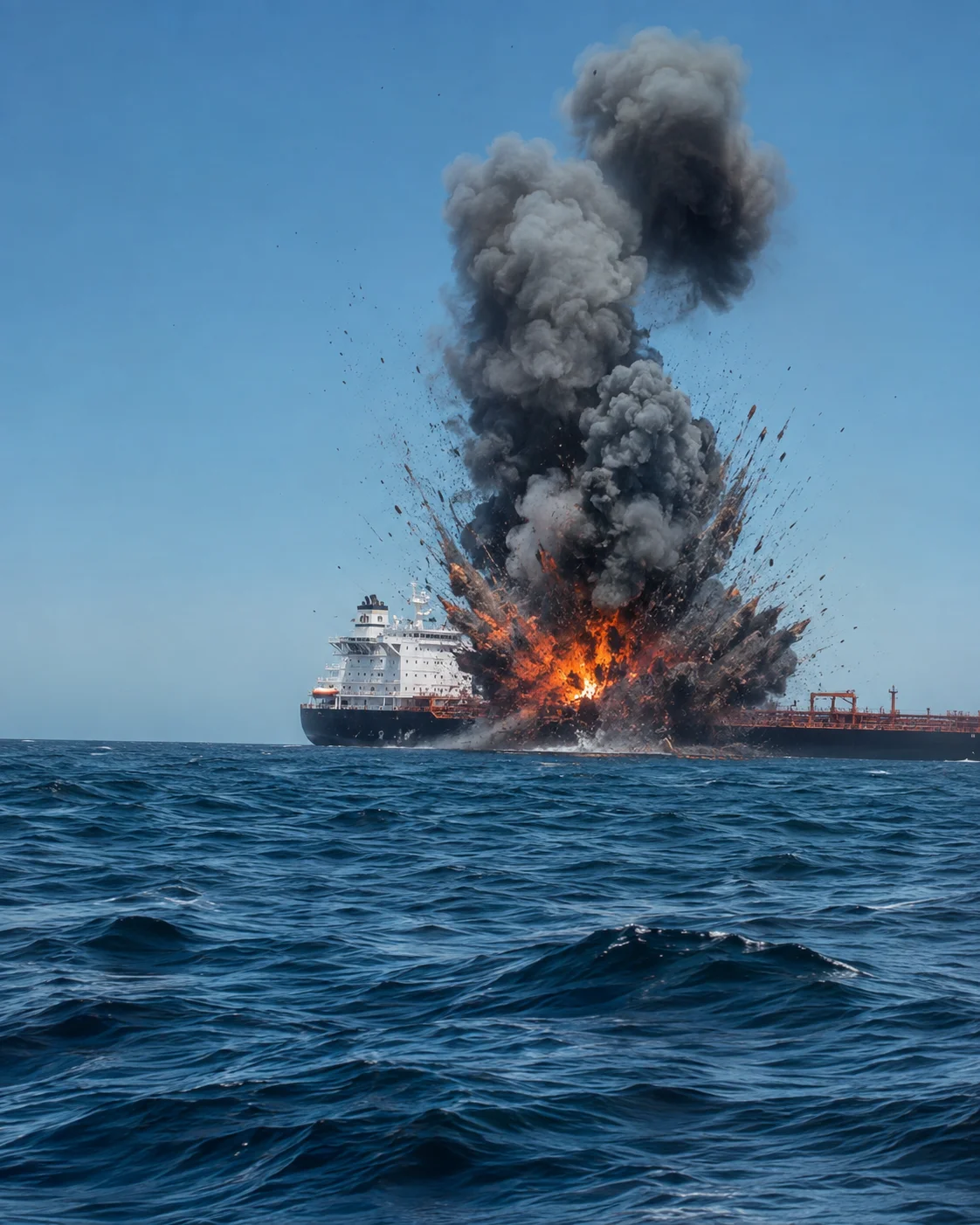
Saudi Arabia has accused the Houthis of launching missiles and drones toward the kingdom and attempting to impose a blockade on Saudi shipping. The Houthis have made various public statements regarding maritime operations, while Saudi authorities have responded with airstrikes targeting what they described as Houthi military facilities.
Saudi officials have also stated that protecting commercial shipping remains a priority and have accused the Houthis of advancing foreign interests. These claims reflect the Saudi government’s position and remain part of the broader regional dispute.
Concerns Over a Return to Full-Scale War
Fighting Along Frontlines Continues
The latest escalation has renewed concerns about Yemen’s long-running conflict.
The civil war intensified after the Houthis took control of Yemen’s capital, Sanaa, in 2014. Saudi Arabia later led a coalition supporting Yemen’s internationally recognised government.
Although a United Nations-backed truce reached in 2022 significantly reduced large-scale fighting, recent cross-border attacks have raised fears that the ceasefire could further deteriorate.
Reuters reported that Saudi officials, Western diplomats, and Yemeni government representatives believe the possibility of renewed large-scale fighting is now greater than at any point since the truce was agreed.
Al-Zouba said government forces are prepared for any escalation, noting that exchanges of fire continue across frontlines stretching from Yemen’s northwestern Red Sea coast to areas near the Saudi border.
She added that neither side has launched a major ground offensive so far.
Yemen Calls for an End to the Conflict
Despite the heightened tensions, Al-Zouba said Yemen’s government still hopes the conflict can be resolved.
She stated that authorities prefer a peaceful settlement but also indicated that other options remain if negotiations fail.
Her comments underline the uncertainty surrounding Yemen’s political and military future as regional tensions continue to affect both security and international trade.
Regional Impact Beyond Yemen
The renewed tensions extend beyond Yemen’s borders.
Security concerns in the Red Sea affect countries throughout the Middle East, East Africa, Europe, and Asia because the shipping lane is essential for global commerce.
Any sustained disruption to commercial traffic through the Bab el-Mandeb Strait could increase transportation costs, affect energy supplies, and force shipping companies to seek longer alternative routes.
Analysts continue to monitor developments closely as governments work to prevent further instability in one of the world’s busiest maritime corridors.
Outlook
The latest warning from Yemen’s foreign minister-designate highlights growing concerns over maritime security and the possibility of renewed conflict in Yemen. While military exchanges remain limited for now, officials from Yemen and Saudi Arabia are closely watching developments along the border and in the Red Sea.
Whether the situation escalates further or returns to diplomacy may have significant consequences not only for Yemen but also for international shipping and regional stability.
Source:
- Reuters
Our audience means everything to us.
Have feedback or suggestions to make us better? We’re always listening—feel free to get in touch with us at editor@truthorahub.com







Leave a Comment