

Why Is the World Watching the US-Iran Situation So Closely?
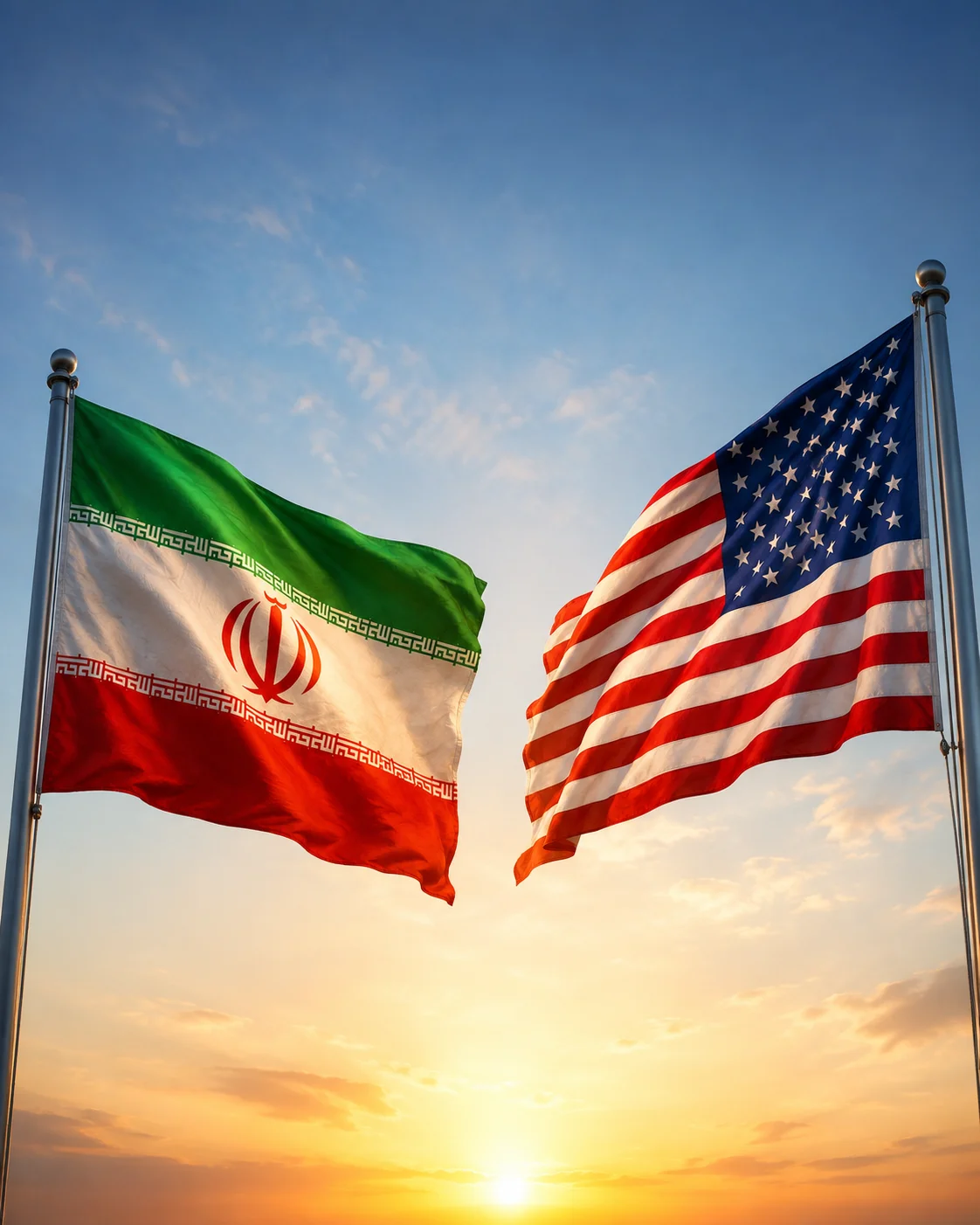
Global attention has once again shifted toward the growing tensions between the United States and Iran as diplomatic efforts continue to struggle without a clear breakthrough. Statements from American President Donald Trump and senior Iranian officials have intensified discussions about whether the region is moving toward stability or another dangerous confrontation.
The latest developments are not only affecting politics in the Middle East but are also creating concerns about oil prices, global trade routes, financial markets, and the wider international economy. For millions around the world, one question continues to dominate headlines: Can diplomacy still prevent a larger crisis?
Donald Trump Says Iran Wants an Agreement
During a recent interview with a French broadcaster, President Donald Trump stated that Iran appeared interested in reaching an agreement regarding its nuclear programme and the ongoing conflict. However, he also admitted uncertainty about whether negotiations would actually succeed.
Trump suggested that if Iran failed to cooperate, difficult consequences could follow. His comments quickly became a major topic across international media platforms, especially as reports indicated that Washington was considering additional military actions against Tehran.
Although diplomatic discussions have continued behind closed doors, there has been little visible progress so far. This uncertainty is increasing fears among analysts who believe the situation could escalate unexpectedly if communication between both sides completely collapses.
What Is Happening in the Strait of Hormuz?
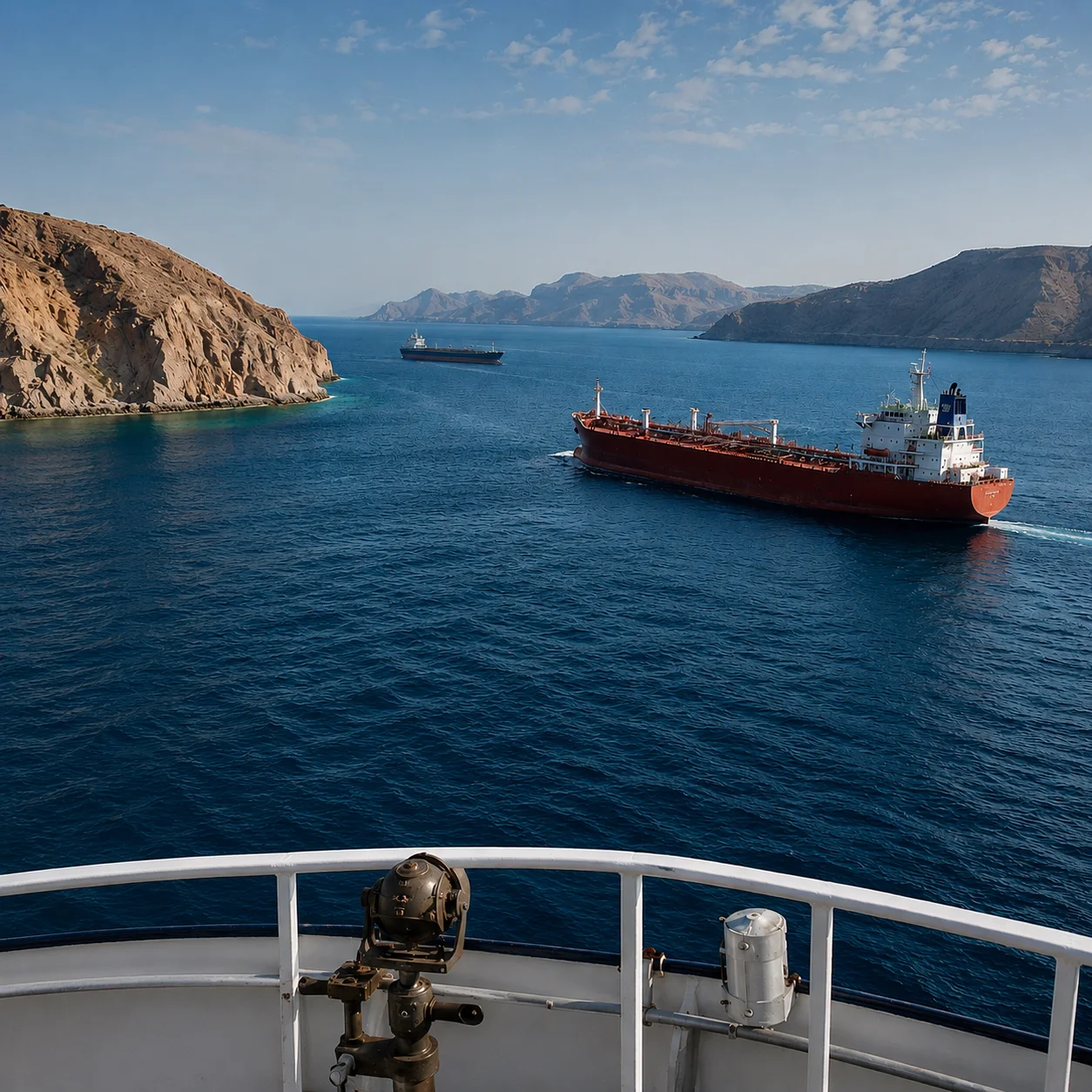
One of the biggest concerns surrounding the current crisis is the Strait of Hormuz, one of the world’s most important oil shipping routes. A large percentage of global oil trade passes through this narrow waterway every single day.
According to American military officials, dozens of commercial vessels have already been redirected while several ships were reportedly disabled in efforts linked to Washington’s restrictions involving Iranian ports.
This development has created serious concerns in international markets because any disruption in the Strait of Hormuz can directly impact fuel prices, shipping costs, and global supply chains.
For ordinary people, this could eventually mean higher petrol prices, rising inflation, and increased economic pressure in multiple countries — including Pakistan.
Iran Signals New Control Measures
Iranian officials have also announced plans to introduce a new system for managing maritime traffic through the Strait of Hormuz. Reports suggest that only vessels cooperating with Iranian authorities may benefit from the arrangement.
Tehran has indicated that fees may also be collected for services provided under the proposed mechanism. While Iran describes the move as a regulatory measure, critics fear it could increase tensions even further.
This situation highlights how strategic waterways can become powerful political tools during periods of international conflict.
Economic Fears Continue to Grow
Iranian Foreign Minister Abbas Araghchi warned that the United States could face serious economic consequences if tensions continue to rise. He argued that the impact would not remain limited to the Middle East but could eventually affect the American economy itself.
His comments pointed toward rising debt concerns, mortgage pressures, stock market instability, and increasing financial uncertainty inside the United States.
Economic experts worldwide are now carefully monitoring the situation because even small military escalations between powerful nations often create ripple effects across global markets.
Could ordinary families soon feel the impact through rising prices and economic instability? Many analysts believe the possibility cannot be ignored.
A War of Statements and Narratives
Alongside military and political developments, the crisis has also become a battle of narratives and international messaging.
Iranian officials strongly criticised Western policies, accusing major powers of hypocrisy and double standards. Tehran’s representatives argued that recent events have exposed divisions inside the Western alliance while increasing global instability.
At the same time, Iran’s mission to the United Nations accused Washington of attempting to build international political support for future actions in the region.
These diplomatic exchanges show that modern conflicts are no longer fought only through military operations. Media influence, political messaging, economic pressure, and international alliances now play equally powerful roles.
Iran Says Diplomacy Is Still Possible
Despite the sharp rhetoric from both sides, Iran’s President Masoud Pezeshkian recently stated that Tehran remains committed to peaceful solutions and diplomacy.
Iranian leadership has continued to insist that its actions are based on self-defence while calling on the international community to respond responsibly to rising tensions.
This has created a complicated situation where both sides publicly speak about diplomacy while simultaneously preparing for possible escalation.
For global observers, the biggest challenge is understanding whether negotiations still have a realistic chance of success or whether political pressure is slowly pushing both sides toward confrontation.
Trump Warns of Stronger Action
Donald Trump also claimed that the United States has the ability to rapidly target Iranian infrastructure if necessary. He stated that Washington had already demonstrated significant military capability and could expand operations quickly if tensions increased.
However, Trump also repeated that he would prefer a non-violent resolution rather than a larger war.
His remarks reflect the complicated balance currently shaping American policy: maintaining pressure on Iran while attempting to avoid a conflict that could destabilise the entire region.
Political analysts say this balancing act is becoming increasingly difficult as public pressure, international alliances, and strategic interests continue to collide.
Why This Crisis Matters Beyond the Middle East
Some people may wonder why tensions between the US and Iran receive so much international attention. The answer lies in the region’s importance to global energy supplies, international trade, and geopolitical stability.
A serious military escalation could affect oil exports, financial markets, shipping routes, and diplomatic relations across several continents.
Countries like Pakistan also watch these developments carefully because rising fuel prices and economic instability often directly affect domestic markets, inflation, and public spending.
In today’s interconnected world, regional conflicts rarely stay regional for long.
The Role of Pakistan in Mediation Efforts
Interestingly, Pakistan has also been linked to diplomatic mediation efforts between the involved parties. Earlier reports suggested that temporary ceasefire understandings were reached through Pakistani involvement.
Although those talks did not produce a permanent settlement, Pakistan’s role highlights how regional countries continue trying to reduce tensions through dialogue rather than confrontation.
This diplomatic involvement has also increased interest among Pakistani audiences who closely follow developments affecting both regional stability and international politics.
Could the Situation Escalate Further?
At the moment, uncertainty remains the biggest factor shaping the crisis.
Neither side appears willing to fully back down, yet both also continue speaking about diplomacy. Military activity, economic pressure, and political messaging are all happening simultaneously, creating a highly unpredictable environment.
Experts believe the coming days and weeks could prove extremely important in determining whether negotiations move forward or tensions deepen even further.
For now, the world continues watching closely as one of the most sensitive geopolitical situations unfolds.
Will diplomacy succeed before the crisis spirals further? Or is the region entering another prolonged phase of instability? The answer may shape global politics and economies for years to come.
Source:
International media reports, official statements, Reuters, AFP, IRNA
Our audience means everything to us.
Have feedback or suggestions to make us better? We’re always listening—feel free to get in touch with us at truthora2026@gmail.com



Leave a Comment