

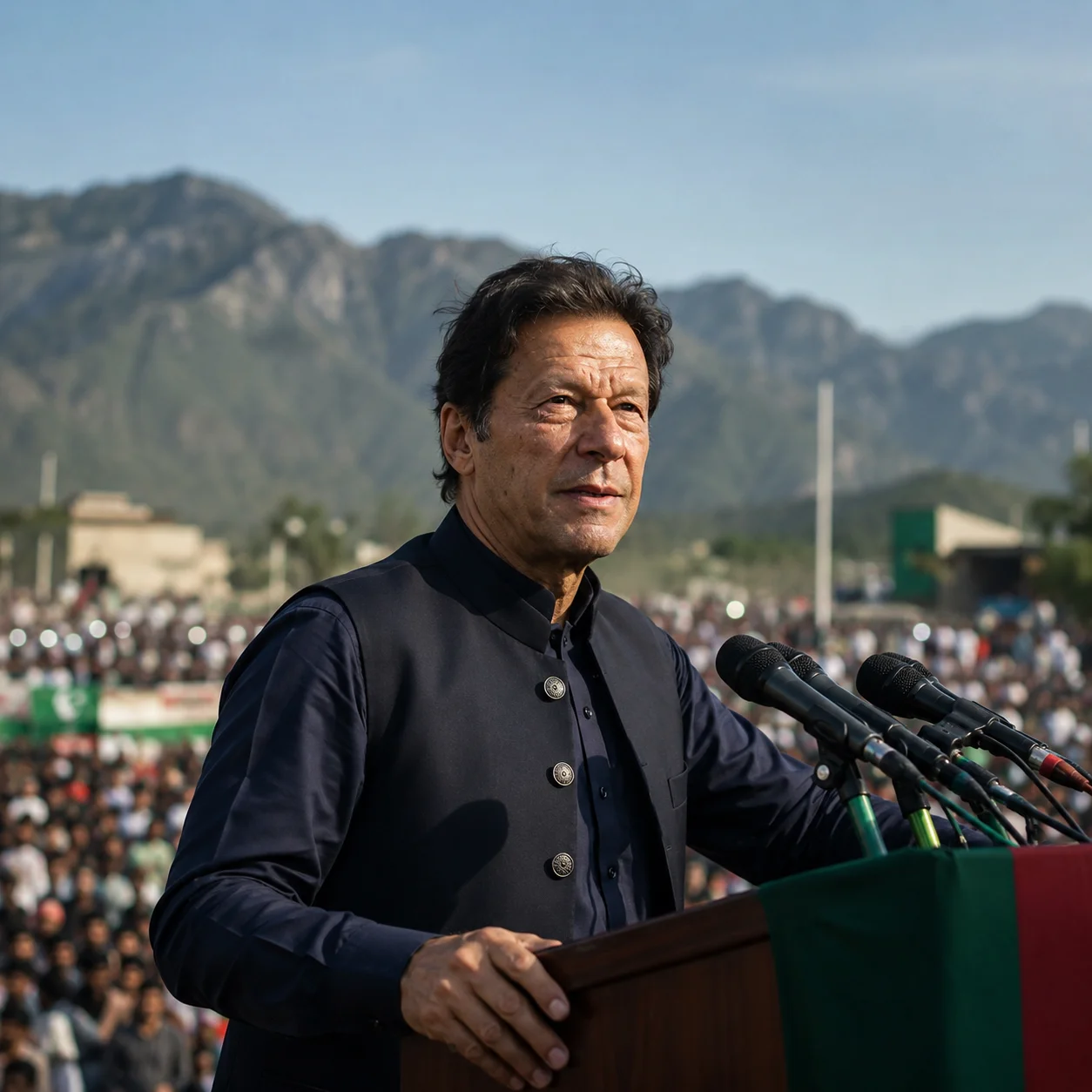
The removal of former Prime Minister Imran Khan through a no-confidence vote in April 2022 remains one of the most controversial political events in Pakistan’s modern history. Even years later, debates surrounding the alleged “cipher conspiracy,” the role of powerful institutions, and the involvement of foreign officials continue to divide the nation.
For millions of Pakistanis, the story is simple: Imran Khan was removed because he refused to follow foreign pressure and pursued an independent foreign policy.
For others, the reality is far more complicated, involving constitutional politics, economic instability, civil-military tensions, and political miscalculations.
But one question still refuses to disappear:
Was Imran Khan removed through a normal democratic process — or was there a larger international and domestic plan behind the scenes?
The controversy continues to shape Pakistan’s political landscape even today.
What Was the No-Confidence Vote Against Imran Khan?
In April 2022, opposition parties united against Imran Khan and tabled a no-confidence motion in Pakistan’s National Assembly.
The opposition accused Khan’s government of economic mismanagement, rising inflation, governance failures, and deteriorating relations with allies.
Eventually, the motion succeeded.
Imran Khan became the first Prime Minister in Pakistan’s history to be removed through a parliamentary vote of no confidence.
But what should have been an ordinary constitutional transition quickly transformed into one of the country’s biggest political controversies.
Why?
Because Khan and his supporters claimed the move was not entirely domestic.
They argued foreign powers wanted him removed.
And at the center of that claim was one document:
The Cipher.
What Exactly Was the Cipher?
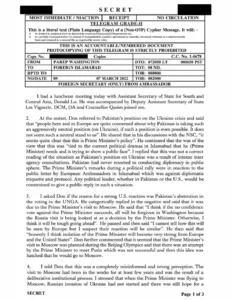
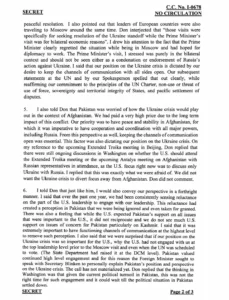
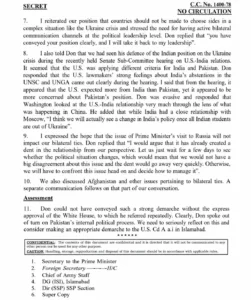
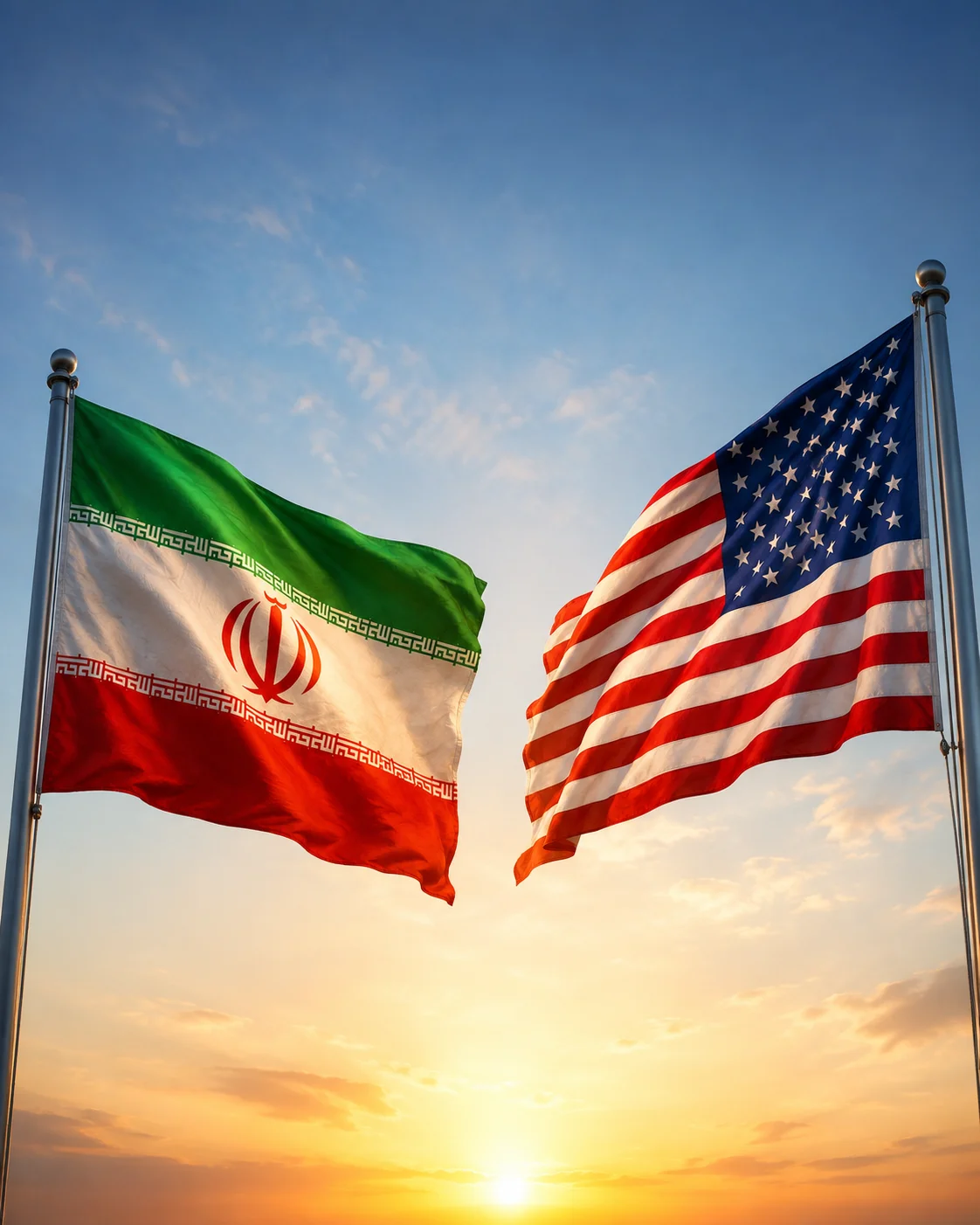
The “cipher” refers to a classified diplomatic cable reportedly sent by Pakistan’s ambassador in Washington to Islamabad after a meeting with senior US official Donald Lu.
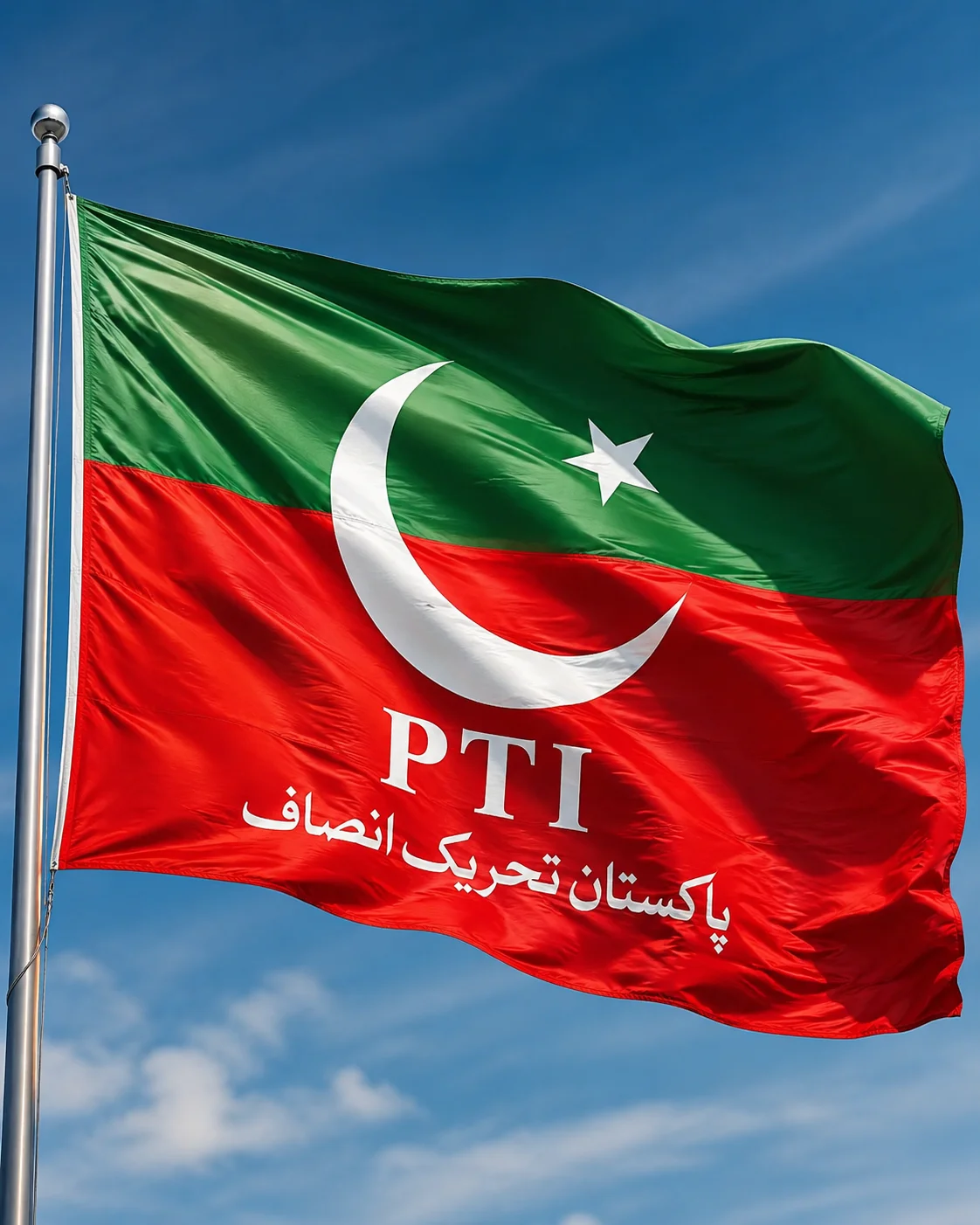
According to allegations repeatedly made by Imran Khan and Pakistan Tehreek-e-Insaf (PTI), the cable contained threatening language regarding Pakistan’s political future.
The most controversial claim was this:
Donald Lu allegedly told Pakistan’s ambassador that if Imran Khan was removed through a no-confidence vote, “everything would be forgiven.”
Otherwise, Pakistan could face isolation from the United States and Europe.
These claims exploded across Pakistani media and social platforms almost immediately.
The hashtag “#سائفر_ایک_حقیقت” began trending widely, with supporters insisting the cable proved foreign interference.
Why Did the Russia Visit Become So Controversial?
Much of the controversy centered around Imran Khan’s visit to Russia in February 2022.
The visit coincided with the beginning of the Russia-Ukraine war, creating global diplomatic tension.
While many world leaders were distancing themselves from Moscow, Khan traveled to meet Russian President Vladimir Putin.
Supporters described the visit as evidence of an independent foreign policy.
Critics, however, argued the timing was diplomatically disastrous and damaged Pakistan’s relations with Western countries.
Soon after, political pressure inside Pakistan intensified dramatically.
This timing fueled speculation among Khan’s supporters that external powers were unhappy with his foreign policy direction.
The Role of the Pakistan Army: Why the Debate Intensified
No discussion about Pakistan’s political system is complete without mentioning the military establishment.
Historically, the Pakistan Army has played a major role in the country’s politics, either directly or indirectly.
When the no-confidence movement gained momentum, many analysts believed civil-military relations between Imran Khan and the establishment had deteriorated significantly.
One major point of disagreement reportedly involved appointments within the military leadership.
Political observers noted that tensions between Khan’s government and sections of the establishment appeared increasingly visible in the months before his removal.
This led many PTI supporters to believe powerful domestic actors were no longer backing Khan politically.
However, the military repeatedly denied involvement in political engineering.
Senior officials publicly stated that the institution remained neutral during the political crisis.
Still, public debate surrounding the military’s role has never fully disappeared.
Was There Really a Foreign Conspiracy?
This remains the central question.
Imran Khan consistently claimed there was foreign interference aimed at removing him from power.
PTI leaders argued the cipher proved external pressure existed.
However, opponents rejected those claims entirely.
The former coalition government that replaced Khan argued the no-confidence vote was constitutional and driven by domestic political dissatisfaction.
US officials also repeatedly denied allegations of conspiracy.
The United States maintained that it had no role in Pakistan’s internal political process.
Yet despite those denials, many Pakistanis remained unconvinced.
Why?
Because distrust of foreign influence in Pakistan’s politics has existed for decades.
Historical events involving the Cold War, Afghanistan, and US-Pakistan relations have created deep suspicion among large sections of the public.
For Khan’s supporters, the cipher appeared to confirm long-standing fears about external interference.
The Cipher Case and Legal Battles
The controversy later moved beyond politics into the courts.
Authorities accused Imran Khan and some PTI leaders of mishandling classified state documents linked to the cipher.
The case became one of the most sensitive legal battles in Pakistan.
Khan denied wrongdoing and insisted he only exposed what he believed was evidence of foreign pressure.
His supporters argued the case itself was politically motivated.
Opponents claimed state secrets had been improperly handled for political purposes.
The legal and political dimensions of the controversy became deeply intertwined.
Why Millions Still Believe Imran Khan
Despite facing arrests, court cases, and political restrictions, Imran Khan continues to enjoy enormous public support.
Many Pakistanis see him as a leader who challenged both domestic elites and international powers.
His speeches about sovereignty, independent foreign policy, and accountability resonated strongly with younger voters especially.
Supporters believe his removal proved he was standing against powerful interests.
The cipher narrative became emotionally powerful because it connected with broader public frustrations regarding corruption, foreign influence, and political instability.
Even today, many citizens insist:
“Imran Khan was removed because he refused to compromise.”
That belief continues driving PTI’s political momentum.
Critics Say the Reality Was More Complicated
Not everyone agrees with Khan’s narrative.
Critics argue Pakistan was already facing severe economic problems before the no-confidence vote.
Inflation was rising rapidly.
Relations with coalition partners were weakening.
Political tensions were increasing.
According to opponents, Khan lost power because he lost parliamentary support — not because of an international conspiracy.
Some analysts also argue that diplomatic language can often sound harsh or transactional without necessarily constituting regime-change planning.
Others believe the cipher issue was politically amplified to mobilize public support.
This divide has created two completely different interpretations of the same events.
Media Polarization and Public Opinion
The cipher controversy also revealed how polarized Pakistan’s media environment has become.
Some television channels and commentators strongly supported Khan’s claims.
Others dismissed them as political narratives designed to avoid responsibility for governance failures.
Social media further intensified divisions.
Videos, leaked conversations, speeches, and hashtags spread rapidly online, often without verification.
As a result, millions formed strong opinions based more on political loyalty than official investigations.
The controversy became not only a political issue — but an emotional one.
Pakistan’s Political System Under Pressure
Beyond individual personalities, the entire episode exposed deeper structural issues within Pakistan’s political system.
Questions emerged about:
- Civil-military relations
- Judicial independence
- Foreign policy autonomy
- Media influence
- Democratic stability
Many Pakistanis began openly discussing subjects that were once considered too sensitive for mainstream debate.
The no-confidence vote and cipher controversy changed political discourse in the country permanently.
Donald Lu’s Name Became Symbolic
Although Donald Lu is a senior American diplomat, his name became highly symbolic in Pakistan after the controversy.
For PTI supporters, he represented alleged foreign pressure.
For critics, he became unfairly portrayed as part of conspiracy theories without concrete public evidence proving regime change.
Regardless of perspective, his name became deeply connected to one of Pakistan’s most emotionally charged political chapters.
Has the Truth Fully Emerged?
Perhaps the biggest reason this issue refuses to disappear is because many Pakistanis feel unanswered questions still remain.
Was the cipher merely tough diplomatic communication?
Was there indirect pressure from foreign powers?
Did domestic political actors independently decide to remove Khan?
Or did both internal and external factors overlap?
Different people continue reaching different conclusions.
And until complete transparency emerges — if it ever does — the debate will likely continue for years.
The Political Impact Still Continues
The aftershocks of Imran Khan’s removal are still shaping Pakistan’s politics today.
PTI remains one of the country’s most influential political movements despite immense pressure.
Public trust in institutions has become increasingly polarized.
And political tensions remain extremely high.
The cipher controversy transformed from a single diplomatic cable into a national narrative about sovereignty, power, and political control.
Whether one agrees with Imran Khan or not, there is little doubt about one thing:
The events surrounding his removal changed Pakistan’s political conversation forever.
Final Thoughts
The no-confidence vote against Imran Khan was not just another political transition.
It became a defining moment in Pakistan’s recent history.
To supporters, the cipher validated fears of foreign interference and establishment involvement.
To critics, it represented political storytelling mixed with real diplomatic tensions.
But regardless of which side people believe, one reality is undeniable:
The controversy exposed how deeply questions of power, sovereignty, and influence continue shaping Pakistan’s democracy.
And even today, the debate remains alive across drawing rooms, television studios, political rallies, and social media timelines across the country.
Source:
Parliamentary records, Pakistani media reports, diplomatic reporting, court proceedings, public speeches and interviews
Our audience means everything to us.
Have feedback or suggestions to make us better? We’re always listening—feel free to get in touch with us at truthora2026@gmail.com







Leave a Comment