

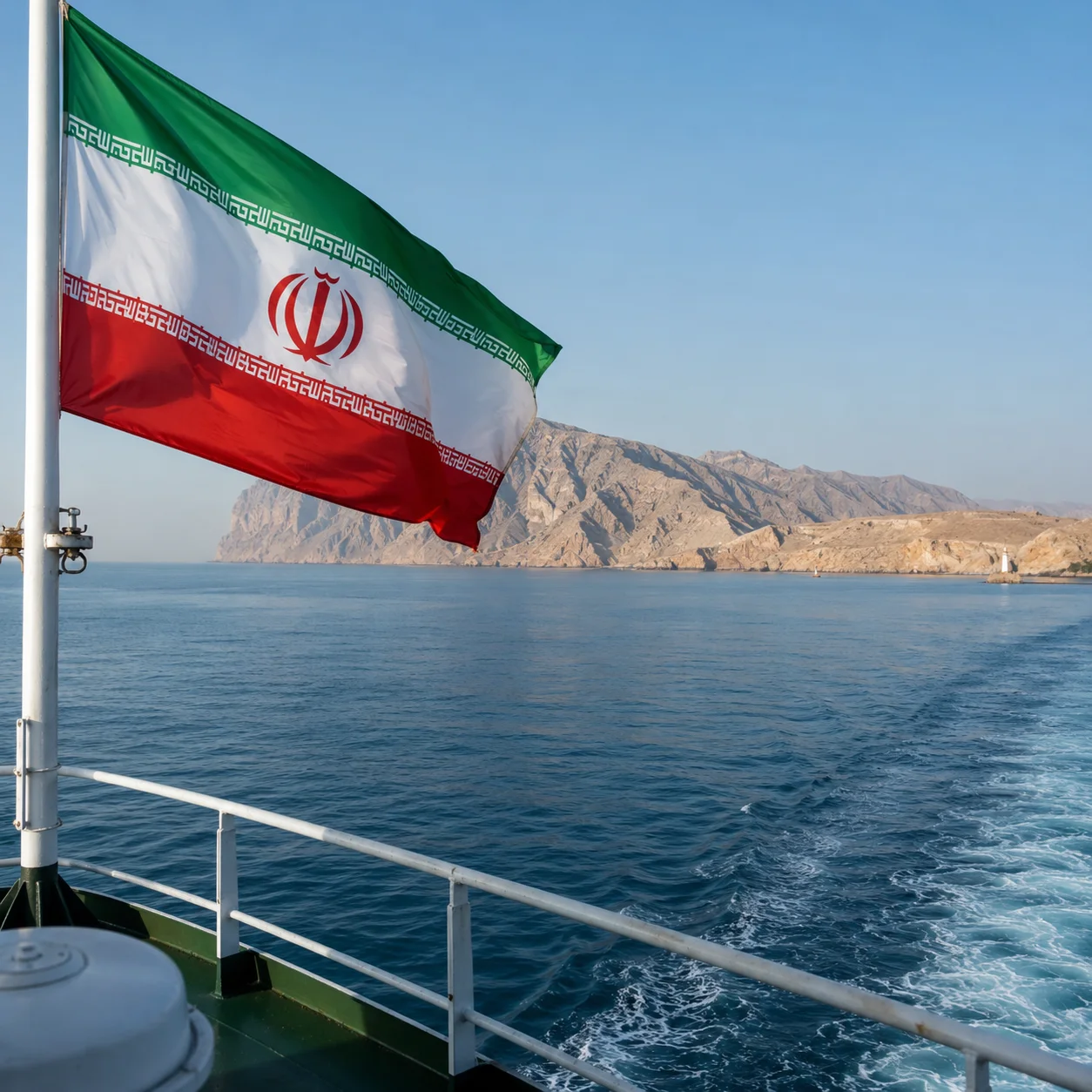
Why the Strait of Hormuz Is Once Again at the Center of Global Attention
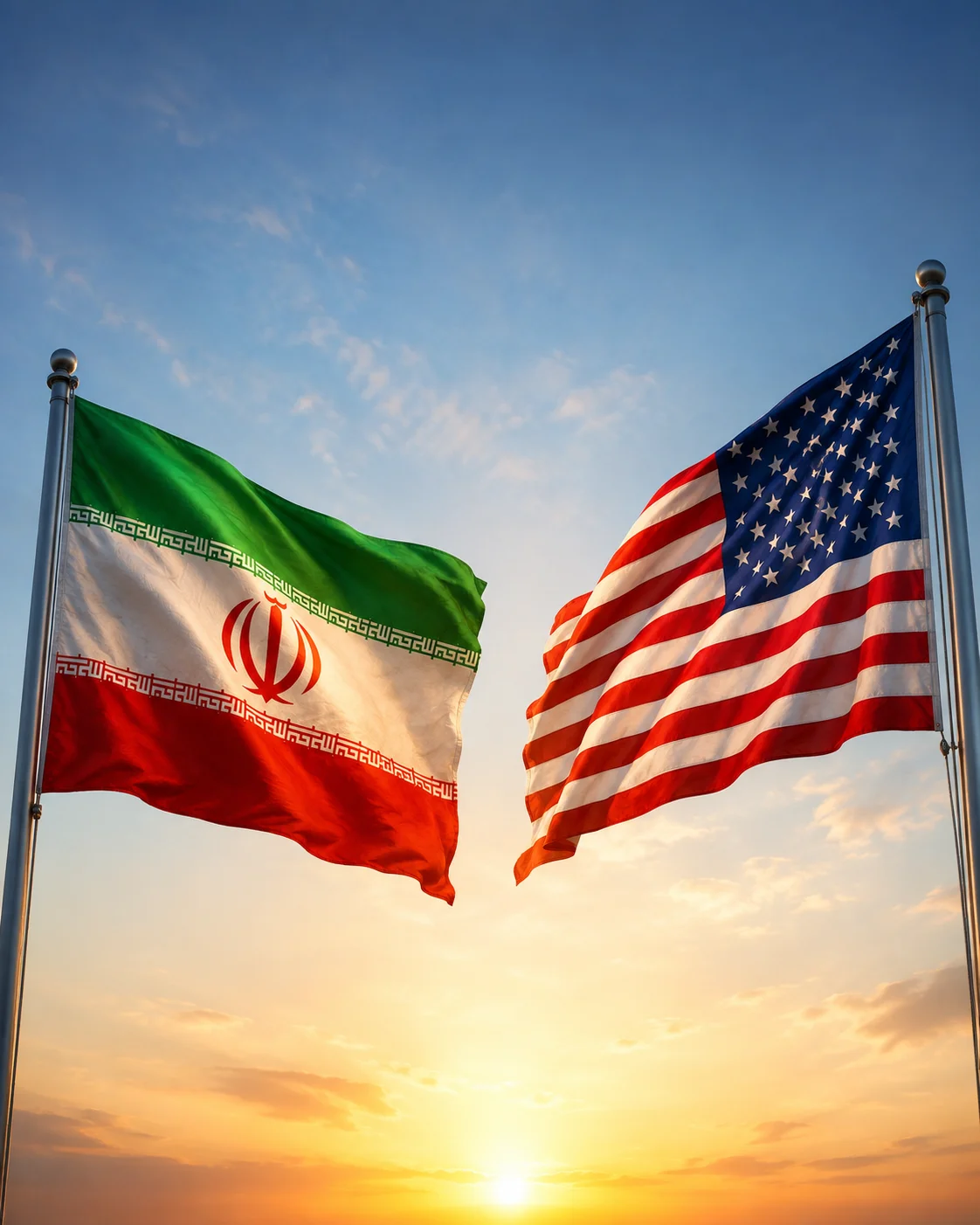
The Strait of Hormuz, one of the world’s most strategically important waterways, has once again become the focus of international attention as tensions between Iran and the United States continue to make headlines.
Recent statements from senior officials in both countries have highlighted the significance of the narrow shipping route, which serves as a critical gateway for global energy supplies. While strong rhetoric has emerged from both sides, diplomatic efforts are simultaneously underway to prevent further escalation and ensure the uninterrupted flow of commercial shipping.
The latest developments come at a time when global markets remain sensitive to geopolitical uncertainty, particularly in regions that play a major role in international oil and gas transportation.
But what exactly is happening, and why is the Strait of Hormuz so important to the world economy?
A Strategic Waterway With Global Importance
Located between Iran and Oman, the Strait of Hormuz connects the Persian Gulf with the Gulf of Oman and the Arabian Sea.
Although relatively narrow in size, its importance to global trade is enormous.
Every day, a significant portion of the world’s oil and liquefied natural gas shipments pass through this route. Energy-exporting nations in the Gulf rely heavily on the strait to transport their resources to markets across Asia, Europe, and other regions.
Because of its strategic value, any disruption in the waterway can have immediate consequences for global energy prices, shipping costs, and economic stability.
This reality explains why governments, businesses, and investors closely monitor developments in the region.
Iran Responds to US Remarks
The latest exchange began after comments made by US President Donald Trump regarding the future of navigation through the Strait of Hormuz.
In response, Ebrahim Azizi, head of Iran’s Parliamentary National Security Committee, issued a strong statement emphasizing Iran’s position regarding the strategic waterway.
According to Azizi, decisions concerning the Strait of Hormuz remain a matter of Iranian sovereignty. He stressed that Iran considers the waterway an area connected directly to its national interests and security considerations.
His comments quickly gained attention across international media outlets, adding another chapter to the ongoing debate surrounding maritime security in the Gulf region.
While political rhetoric often accompanies major diplomatic disputes, analysts note that such statements can influence market sentiment and international perceptions even before any concrete action is taken.
Strong Words, But Diplomacy Continues
Despite the sharp exchange of public statements, there is another side to the story that has received considerable attention among diplomatic observers.
At the same time that officials were issuing warnings, representatives from Iran and the United States were also participating in ongoing negotiations aimed at reducing tensions.
Recent talks facilitated by international mediators resulted in the establishment of direct communication channels designed to prevent misunderstandings and accidental incidents in the Strait of Hormuz.
The objective is simple: reduce the risk of miscalculations that could trigger larger regional crises.
Diplomats often describe such communication mechanisms as essential tools during periods of heightened tension because they allow both sides to exchange information quickly if concerns arise.
What Was Agreed During the Latest Talks?
According to reports from international media and diplomatic sources, Iran and the United States have established a communication framework intended to support safe maritime navigation during the current negotiation period.
The arrangement reportedly includes efforts to avoid incidents involving commercial vessels and ensure smoother coordination between relevant parties.
One of the key elements of the understanding is maintaining safe passage for commercial shipping operating through the Strait of Hormuz.
This development is particularly important for international shipping companies and energy markets, which depend on predictable and uninterrupted movement through the region.
Although challenges remain, the creation of direct communication channels has been viewed by many observers as a practical step toward reducing immediate risks.
Why Global Oil Markets Are Watching Closely
Whenever tensions rise around the Strait of Hormuz, energy markets pay attention.
The reason is straightforward.
A significant share of global oil exports travels through this route every day. Even the possibility of disruption can create uncertainty among traders and investors.
Historically, geopolitical developments involving the strait have influenced:
Oil Prices
Markets often react quickly to any concerns regarding energy supply routes.
Shipping Costs
Insurance premiums and transportation expenses can rise when risks increase.
Investor Confidence
Businesses operating in energy-related sectors closely monitor stability in the region.
Global Economic Outlook
Major disruptions could affect economic activity in countries dependent on imported energy.
For these reasons, statements from political leaders often receive immediate international attention.
The Reality Behind the Headlines
While dramatic headlines frequently dominate public discussion, experts caution against assuming that every political statement will translate into direct action.
International diplomacy often involves a combination of negotiation, pressure, public messaging, and strategic signalling.
In many cases, strong public remarks are intended to strengthen negotiating positions rather than announce immediate policy changes.
This is one reason analysts continue to focus on the diplomatic process itself rather than solely on public exchanges between officials.
The existence of ongoing negotiations suggests that both sides remain interested in avoiding direct confrontation despite their differences.
Can Diplomacy Prevent Further Escalation?
This is perhaps the most important question facing policymakers today.
The establishment of communication channels represents an effort to reduce risks during a sensitive period.
History has shown that misunderstandings at sea or in contested regions can quickly escalate if proper communication mechanisms are not in place.
By maintaining direct contact, negotiators hope to minimize the chances of accidental incidents and create space for broader discussions on regional stability.
Whether these efforts succeed will depend largely on the willingness of all parties to continue engaging through diplomatic channels.
What Could Happen Next?
Several possible scenarios remain on the table.
Negotiations could continue progressing, leading to additional agreements related to maritime security and regional stability.
Alternatively, disagreements over broader geopolitical issues could complicate discussions and slow momentum.
For now, officials involved in the talks appear focused on maintaining stability while pursuing longer-term diplomatic objectives.
Observers expect further meetings and technical discussions in the coming weeks as negotiators work through outstanding issues.
Why This Story Matters Beyond the Middle East
Although the Strait of Hormuz is located in the Gulf region, its importance extends far beyond the Middle East.
Consumers worldwide can feel the effects of developments in the waterway through:
- Fuel prices
- Transportation costs
- Energy markets
- International trade
- Economic confidence
This interconnected reality explains why governments from Asia, Europe, North America, and beyond closely monitor events involving the strait.
A stable shipping environment benefits the global economy, while uncertainty can create ripple effects across multiple sectors.
Final Thoughts
The latest exchange between Iranian and American officials has once again placed the Strait of Hormuz in the international spotlight.
While public statements from both sides have attracted widespread attention, the parallel development of diplomatic communication channels offers a more hopeful perspective.
The coming weeks will likely determine whether negotiations continue to build momentum or encounter new challenges.
For now, one fact remains clear: the Strait of Hormuz remains one of the most strategically important waterways on Earth, and developments there have the potential to influence global energy markets, international trade, and regional security.
As diplomacy and political pressure continue side by side, the world will be watching closely.
Source:
ANI, international diplomatic briefings, public statements from Iranian and US officials, and reports published by regional and global news organizations covering developments related to the Strait of Hormuz and ongoing US-Iran negotiations.
Our audience means everything to us.
Have feedback or suggestions to make us better? We’re always listening—feel free to get in touch with us at truthora2026@gmail.com






Leave a Comment