

Nadra chipless NIC replaces microchip with secure QR code
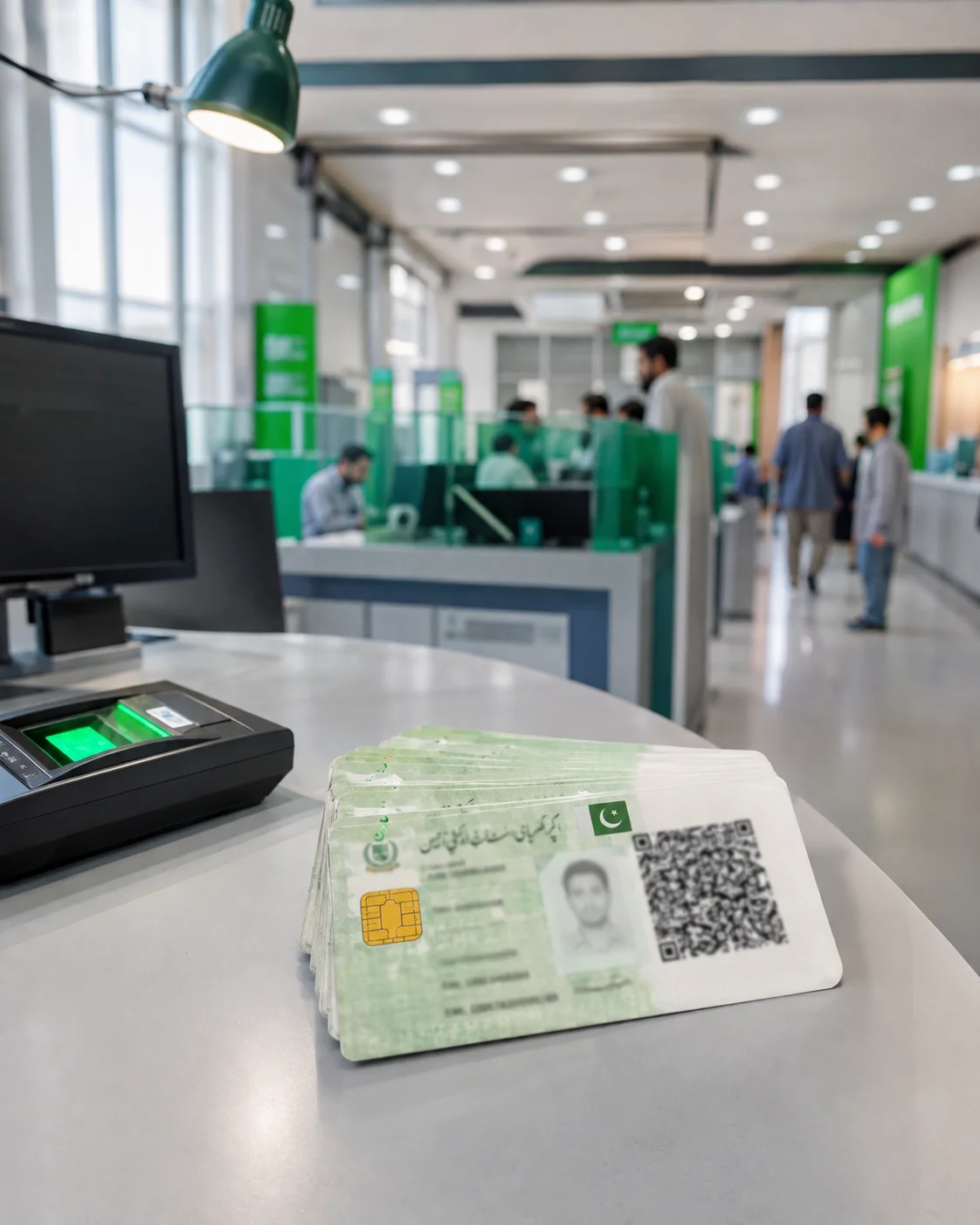
The Nadra chipless NIC has been introduced as Pakistan moves away from the microchip-based identity card used for more than a decade. The new National Identity Card replaces the imported chip with a secure QR code that can be scanned and verified through a smartphone or authorised software.
The National Database and Registration Authority (Nadra) launched the new card on Wednesday, with the authority later explaining the details in a statement issued on Friday.
The new card has been produced locally by the National Security Printing Company (NSPC) in Karachi according to technical and security requirements set by Nadra.
The change is intended to make identity verification more accessible by reducing reliance on specialised chip-reading equipment. Instead, the QR code can be checked using Nadra’s Pak Identity (PakID) mobile application or other authorised systems equipped with a camera.
The federal government approved the introduction of the new identity card on February 23, paving the way for the transition from the existing chip-based format.
How the Nadra chipless NIC will work
The most significant change is the removal of the microchip from the card.
Under the new system, a secure QR code will be printed on the identity card. According to Nadra, the code will contain the cardholder’s identity information and photograph and can be scanned for verification.
The system is designed to allow authorised users to confirm identity information using ordinary smartphones or compatible software rather than relying on dedicated chip readers.
Nadra said the QR-based system can also help institutions enter identity information into their databases more consistently.
This is expected to reduce manual data-entry errors when organisations record details such as a person’s name, address and other identification information.
PakID app to support verification
Nadra’s PakID mobile application will play a role in verifying the new cards.
The authority said the QR code can be scanned through a smartphone using the PakID application. Other authorised organisations will also receive software capable of reading and verifying the code.
These organisations include telecom operators, banks, hospitals, Pakistan Railways, police departments and other institutions authorised to conduct identity verification.
The system therefore seeks to make QR-based verification part of a broader identity ecosystem rather than limiting it to Nadra offices.
Why Nadra is moving away from the chip
Nadra said the chip-based Smart NIC, introduced around 14 years ago, faced a practical limitation: the infrastructure required to use the chip was not widely available.
Although the microchip was incorporated into the card, many institutions did not have the specialised readers and supporting systems needed to make full use of the technology.
The QR-based system is intended to address that gap.
A smartphone with a camera can scan a QR code, potentially making verification easier for authorised institutions without requiring dedicated chip-reading hardware.
The move also reflects changes in Pakistan’s identity-document framework, which has been updated to accommodate newer verification technologies.
New card will retain key identity information
While the technology used for verification is changing, the new card will continue to display important information about the cardholder.
Nadra said the card will include a family number and symbols identifying certain categories of citizens.
These symbols will indicate persons with disabilities, senior citizens, organ donors and citizens of Azad Jammu and Kashmir.
The cardholder’s name and address will be printed in both Urdu and English.
Nadra has also updated the card’s visible and concealed security features. According to the authority, these features have been revised to meet current security requirements while taking into account the capabilities of domestic manufacturing.
The changes are intended to maintain the integrity of the identity document while replacing the older chip-based verification method.
New CNIC rollout will happen in phases
The transition to the QR-based identity card will not occur for every category at the same time.
According to Nadra, the QR code-based card will begin replacing the standard CNIC from Friday.
A broader rollout is scheduled for January 2027, when the new format is expected to cover additional categories, including National Identity Cards for Overseas Pakistanis (NICOPs) and Juvenile Cards.
In the final stage of the transition, the Pakistan Origin Card (POC) will also move to the chipless format.
This phased approach means different categories of identity documents will shift to the new system at different points.
Existing cards will remain valid
Nadra has clarified that citizens who already possess identity cards do not need to replace them immediately simply because the new format has been introduced.
Previously issued cards will remain valid until their stated expiry dates.
This provision is important for existing cardholders because the introduction of the new QR-based format does not automatically invalidate currently issued CNICs.
Citizens can therefore continue using their existing cards according to their validity period.
Government changes identity card rules
The transition to the QR-based card follows regulatory changes approved earlier this year.
In February, the government amended the National Identity Card Rules, 2002 and Pakistan Origin Card Rules, 2002.
Among the changes was the formal recognition of a QR code as a security and verification feature for identity documents.
The amendments also allow Nadra to use a QR code or another technological feature in place of the existing microchip.
This provides the authority with greater flexibility to adopt newer identity-verification technologies without requiring the rules to be amended each time a different technology is introduced.
The legal changes therefore provide the framework for the current transition from chip-based cards to QR-based identity documents.
Local production marks a shift
Another important feature of the new identity card is its domestic production.
Nadra said the card is being manufactured by the National Security Printing Company in Karachi under Nadra’s technical and security specifications.
The new card consequently combines a locally manufactured physical document with a digital verification mechanism based on QR technology.
The move away from the imported microchip also comes as Nadra seeks to address limitations associated with the wider availability of chip-reading infrastructure.
The authority has emphasised that the new format has been designed around both current security requirements and domestic production capabilities.
What the new system means for citizens
For ordinary citizens, the most visible difference will be the replacement of the microchip with a QR code.
The QR-based system is intended to make verification easier for authorised organisations because scanning can be performed through smartphones or compatible camera-enabled software.
The change could also simplify identity-data entry for institutions by allowing information associated with the card to be verified digitally rather than relying as heavily on manual entry.
However, access to identity information will remain subject to Nadra’s verification system and the authorisation granted to participating institutions. The QR code should therefore not be viewed simply as an unrestricted method of accessing personal information.
Nadra’s announcement focuses on improving verification and interoperability while maintaining security features on the physical card.
Pakistan moves toward QR-based identity verification
The launch represents a significant change in the format of Pakistan’s national identity document after roughly 14 years of chip-based Smart NICs.
The new system is built around a secure QR code, smartphone-based verification and software for authorised institutions.
The rollout will take place in stages, beginning with the standard CNIC and later expanding to NICOPs, Juvenile Cards and eventually POCs.
For existing cardholders, the immediate position is straightforward: previously issued identity cards remain valid until they expire.
The wider impact of the transition will depend on how quickly authorised institutions adopt the QR verification system and how effectively the new infrastructure is implemented across Pakistan.
Source:
- Nadra — Official statement on the launch, design, security features and phased rollout of the new QR-based identity card.
- Dawn — Reporting on the introduction and government approval of the new identity card format.
- Government of Pakistan — Amendments to the National Identity Card Rules, 2002 and Pakistan Origin Card Rules, 2002, as referenced in the supplied report.
- National Security Printing Company (NSPC) — Domestic manufacturing of the new card, as stated by Nadra.
- Pak Identity (PakID) — Nadra mobile application identified by the authority as a verification channel for the QR-based card.
Our audience means everything to us.
Have feedback or suggestions to make us better? We’re always listening—feel free to get in touch with us at editor@truthorahub.com








Leave a Comment