

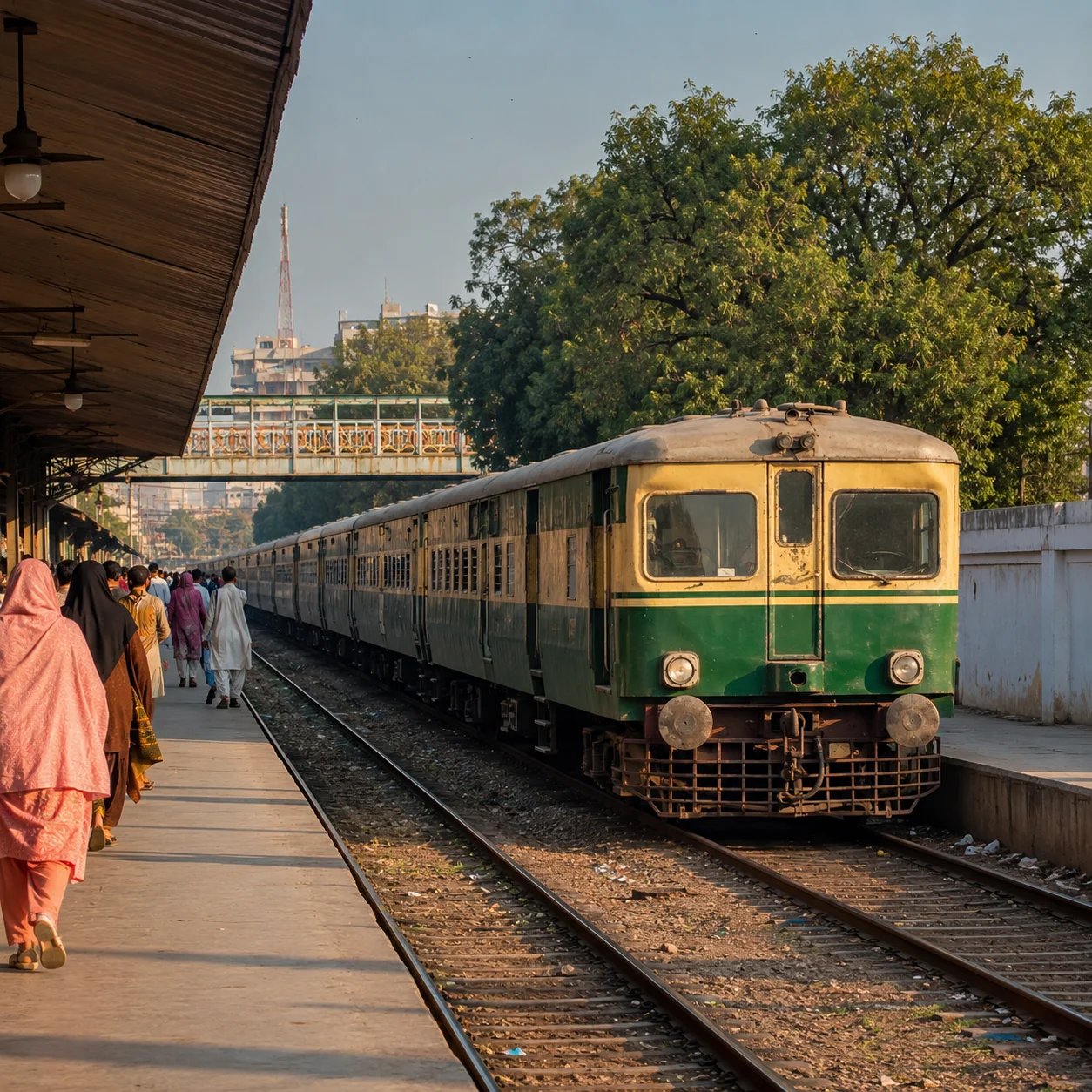
If you’ve ever been stuck in Karachi’s legendary traffic gridlock, this story is for you — because after years of broken promises, false starts, and political shuffling, there may finally be real money on the table to revive the Karachi Circular Railway.
A Billion-Dollar Offer on the Table
A senior delegation from the Asian Development Bank recently sat down with Sindh Chief Secretary Asif Hyder Shah with a straightforward proposition: the ADB is prepared to pump $1 billion into reviving the KCR. To get the ball rolling, an initial $10 million would be released for groundwork — covering design reviews, operational planning, institutional arrangements, and financing models.
This is not a vague expression of interest. This is a structured financial commitment, and for a project that has been collecting dust for the better part of a decade, it represents the most concrete lifeline the KCR has seen in years.
A Project With More Twists Than a Soap Opera
To understand why this moment matters, you need to know just how many times the KCR revival has been promised, restructured, handed off, and quietly shelved.
It was brought under CPEC in late 2016 at Sindh’s request and formally approved the following year. Then the PTI government came in and decided to go the public-private partnership route — a build-operate-transfer model with generous subsidies for the private operator. That plan was eventually scrapped by the PDM-led government that followed, which swung back toward seeking Chinese financing under CPEC.
Then came the delays. A planned visit by Sindh Chief Minister Syed Murad Ali Shah to China for financial and technical discussions in September 2024 never happened. Prime Minister Shehbaz Sharif personally assured the Sindh CM in November 2025 that the federal and provincial governments would jointly push the project forward — but months passed with nothing to show for it.
With Chinese investment under CPEC still not materialising, CM Shah turned to the ADB earlier this year, and Tuesday’s meeting between the chief secretary and the ADB delegation appears to be that conversation gaining serious momentum.
More Than Just Karachi
What is particularly interesting about the current ADB framework is that it goes beyond the KCR alone. The discussions covered the development of modern, integrated urban transport systems across four major Sindh cities — Karachi, Hyderabad, Sukkur, and Larkana. The broader goals include easing traffic congestion, expanding affordable public transit, encouraging environmentally responsible mobility, and building a stronger foundation for long-term transport planning across the province.
Chief Secretary Shah made clear that the KCR sits at the top of the priority list — capable of transforming daily commutes for millions, relieving immense pressure on Karachi’s roads, and supporting broader economic activity in Pakistan’s commercial capital.
Now Comes the Hard Part
Recognising that good intentions alone have not been enough in the past, the chief secretary directed all relevant departments to ensure timely document submission, tight coordination with the ADB, and strict adherence to preparatory work timelines.
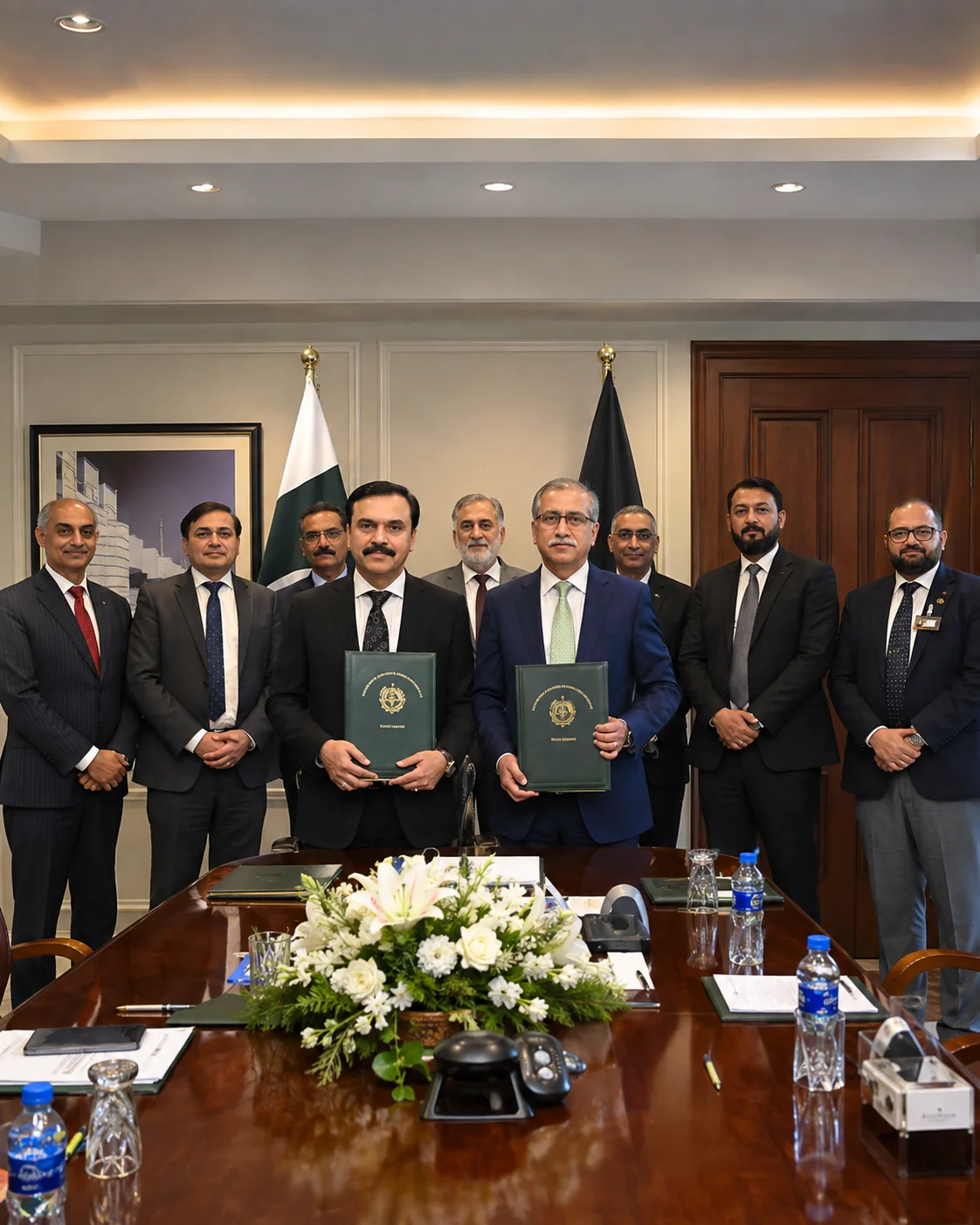
The ADB delegation included Deputy Country Director Hussain Haider alongside senior representatives Wonbae Seo, Hamid Khan, Umer Shafiq, and Muhammad Sadiq. On the Sindh side, Planning and Development Board Chairman Najm Shah, Transport Secretary Asad Zamin, and other senior provincial officials also participated.
The pieces are finally aligning. Whether Karachi’s circular railway becomes a reality this time — or joins the long list of what-could-have-beens — now largely depends on execution.
Source:
Dawn News
Our audience means everything to us.
Have feedback or suggestions to make us better? We’re always listening—feel free to get in touch with us at truthora2026@gmail.com



Leave a Comment