

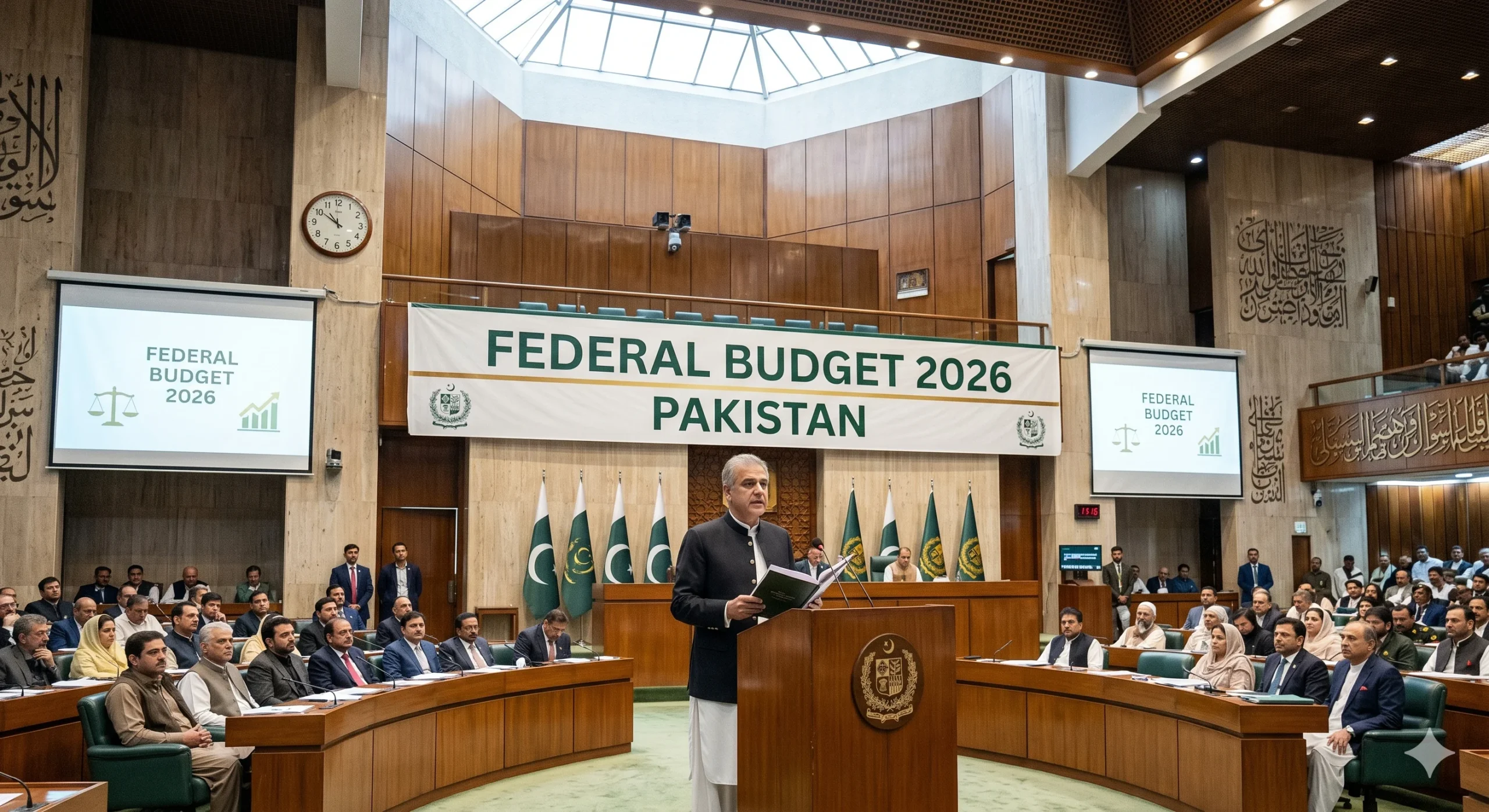
Pakistan’s textile industry has put forward a comprehensive set of policy recommendations ahead of the upcoming federal budget, targeting an additional $5 billion in export earnings — and notably, without requesting government subsidies or direct financial handouts.
Senior representatives from the country’s leading textile and apparel export associations met Finance Minister Muhammad Aurangzeb at the finance ministry in Islamabad. The delegation included prominent industry figures who presented a unified set of recommendations as part of the textile sector’s collective input for Budget 2026-27.
Industry Sees a Window of Opportunity
The exporters pointed to the current geopolitical climate and the ongoing realignment of global supply chains as a significant opening for Pakistan. With disruptions stemming from the Middle East conflict and buyers diversifying sourcing away from traditional suppliers, Pakistan’s textile sector believes it is well-positioned to absorb additional global demand — provided the policy environment is right.
Industry representatives confirmed that existing export surplus capacity is available and ready to be deployed. The sector is not asking for cash injections; instead, it is seeking targeted policy support to improve competitiveness, ease liquidity constraints, and unlock growth potential.
Finance Ministry’s Response
The meeting was described as constructive, with the Finance Minister expressing the government’s intent to support export-oriented industries through facilitative measures. Muhammad Aurangzeb also highlighted ongoing government efforts around economic documentation, transparency, and digital compliance monitoring across key sectors. He noted that digital tracking systems had already been rolled out across industries including sugar, cement, beverages, and tobacco, with similar initiatives expected to expand further.
Why This Matters
Pakistan’s textile sector is the backbone of its export economy, and a $5 billion incremental gain would represent a substantial leap. With the right mix of liquidity support, regulatory ease, and trade facilitation, industry leaders believe this target is achievable within the current global environment.
The unified stance of multiple textile associations signals rare sectoral cohesion — a factor likely to strengthen the industry’s case as the government finalises its budget priorities.
Source:
Dawn News
Our audience means everything to us.
Have feedback or suggestions to make us better? We’re always listening—feel free to get in touch with us at truthora2026@gmail.com





Leave a Comment