

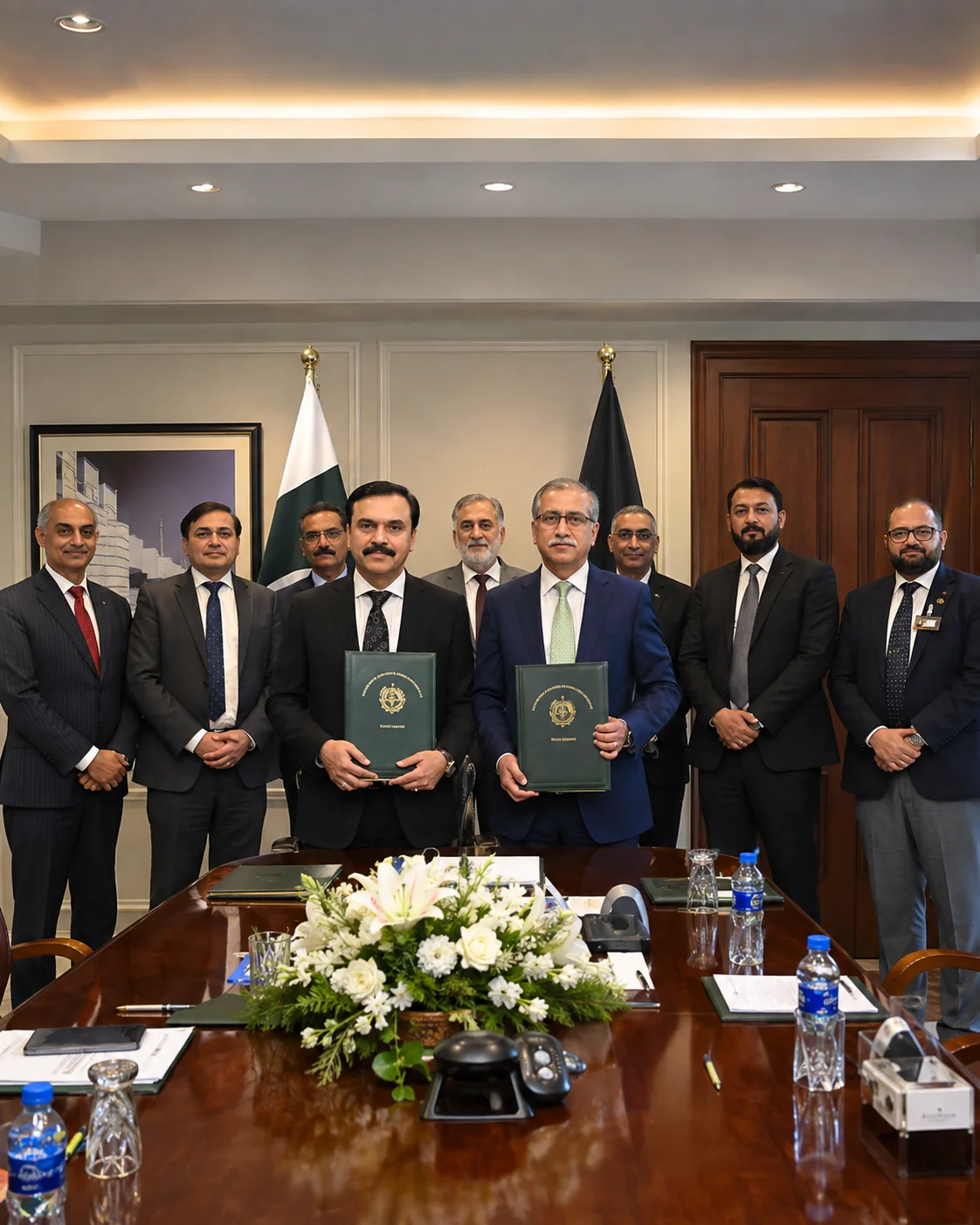
Pakistan’s accountability and forensic institutions have moved to strengthen cooperation after the NAB-NFA MoU was signed to bring advanced forensic science into the National Accountability Bureau’s inquiries, investigations and prosecutions.
The Memorandum of Understanding was signed at NAB Headquarters in Islamabad by Amjad Majeed Aulakh, Director General Operations at NAB, and Jawad Ahmad Dogar, Director General of the National Forensics Agency (NFA). NAB Chairman Lt Gen (retd) Nazir Ahmed and senior officials from both organisations attended the signing ceremony.
Under the agreement, NAB will be able to send relevant investigative material to the NFA for crime-scene examination and scientific analysis. The forensic agency will then provide authenticated reports that can be used during investigative and legal proceedings.
The partnership also provides for NFA forensic specialists to appear as expert witnesses before Accountability Courts and other judicial forums when their expertise is required.
NAB-NFA MoU strengthens forensic support for investigations
The new agreement is intended to give NAB investigations greater access to specialised forensic capabilities.
Under the arrangement, investigative material gathered by NAB can be referred to the National Forensics Agency for scientific examination. This could include material requiring forensic analysis during the course of an inquiry or investigation.
The NFA will conduct the relevant examination and provide forensic findings to NAB in the form of authenticated reports.
The arrangement creates a formal channel between the two institutions rather than relying solely on NAB’s existing investigative processes.
For accountability cases, scientific examination can be important when investigators need specialist analysis to support or assess evidence. The new framework is designed to integrate such expertise more systematically into NAB’s investigative work.
The agreement, however, does not mean that every NAB investigation will automatically involve forensic examination. The use of NFA services will depend on the requirements of individual cases and investigative material referred to the agency.
NFA experts may appear before courts
One of the key elements of the agreement is the provision for NFA specialists to provide expert testimony.
According to the agreement’s terms, forensic experts from the National Forensics Agency can appear before Accountability Courts and other judicial forums when required.
Expert testimony can help courts understand technical or scientific findings contained in forensic reports. In cases where specialised evidence forms part of the prosecution’s case, expert witnesses may explain the methodology and findings involved.
The arrangement therefore extends cooperation between NAB and NFA beyond the preparation of forensic reports.
It establishes a mechanism through which the agency’s specialists can also support the presentation of scientific evidence during judicial proceedings, where their expertise is considered necessary.
Secure handling of investigative material
The agreement also sets out procedures for protecting sensitive material exchanged between the two institutions.
NAB said the framework includes physical, digital and procedural safeguards for the handling of investigative information.
This is significant because material submitted for forensic examination may contain sensitive evidence connected to ongoing inquiries, investigations or court proceedings.
The protocols are intended to protect the integrity and confidentiality of such material while it moves between the investigating agency and the forensic institution.
Maintaining proper handling procedures is particularly important for evidence that could later be presented in court. Any forensic process must involve appropriate controls over the material being examined and the records associated with it.
The MoU therefore establishes a formal framework for the exchange and handling of investigative material between NAB and NFA.
Focal points established for coordination
The agreement also provides for designated focal points to coordinate activities between NAB and the National Forensics Agency.
These arrangements are intended to make communication between the two institutions more structured and efficient.
Instead of relying on informal or case-by-case communication, designated officials can help coordinate requests for forensic services, the transfer of relevant material and the delivery of reports.
The agreement also establishes mechanisms for service-related financial reconciliation between the two organisations.
This provides an administrative framework for managing the financial aspects of forensic services requested by NAB.
Together, the coordination and financial arrangements are intended to support the practical implementation of the partnership.
What the agreement means for NAB prosecutions
The cooperation could give NAB prosecutors greater access to scientifically examined evidence in cases where forensic analysis is relevant.
NAB conducts inquiries and investigations into matters falling within its legal mandate, while prosecutions arising from those investigations can ultimately be considered by the relevant courts.
The integration of forensic expertise could help investigators assess evidence through specialised scientific methods before a case proceeds further through the legal process.
At the same time, the value of forensic evidence in any individual case will depend on the quality of the material, the scientific examination conducted and the applicable legal requirements.
The MoU itself does not establish guilt or wrongdoing in any particular case. It is an institutional agreement aimed at strengthening cooperation between two government bodies.
National Forensics Agency to support scientific analysis
The National Forensics Agency is being positioned under the agreement as the specialised institution responsible for conducting forensic examinations requested by NAB.
Its role will include crime-scene investigation and scientific analysis of investigative material referred by the accountability body.
The agency’s forensic findings will then be communicated to NAB through authenticated reports.
This division of responsibilities allows NAB investigators to focus on inquiries and investigations while obtaining specialist forensic assistance where required.
The arrangement could also help create a more consistent process for the use of forensic evidence in accountability proceedings.
Focus on evidence-based legal proceedings
The NAB-NFA partnership comes as government institutions increasingly emphasise the importance of scientific and documented evidence in legal proceedings.
Forensic science can assist investigations by applying specialised methods to physical or other relevant evidence. When properly collected, examined and documented, forensic findings may become part of the evidentiary material considered during judicial proceedings.
The agreement’s provisions concerning expert testimony are particularly relevant in this context because technical findings may require explanation before a court.
However, forensic evidence is only one component of a legal case. Courts ultimately assess evidence according to the applicable law and the facts presented before them.
The signing of the MoU therefore represents an institutional step toward incorporating specialised forensic capabilities into NAB’s investigative and prosecution processes rather than a change to the legal standard required to establish a case.
Senior officials attend signing ceremony
The MoU was signed at NAB Headquarters in Islamabad in the presence of senior officials from both institutions.
Amjad Majeed Aulakh signed the agreement on behalf of NAB in his capacity as Director General Operations, while Jawad Ahmad Dogar signed for the National Forensics Agency as its Director General.
NAB Chairman Lt Gen (retd) Nazir Ahmed also attended the ceremony along with senior officers from NAB and NFA.
The participation of senior leadership from both institutions reflects the formal nature of the cooperation agreement and its intended role in strengthening coordination between the agencies.
A new framework for inter-agency cooperation
The agreement establishes a structured relationship between Pakistan’s accountability and forensic institutions.
Its main components include the referral of investigative material to the NFA, forensic examination and reporting, expert testimony where required, safeguards for sensitive material, designated coordination points and financial reconciliation mechanisms.
For NAB, the arrangement provides access to dedicated forensic expertise during investigations and prosecutions.
For the NFA, it creates a formal channel through which its scientific capabilities can support accountability-related cases.
The practical impact of the agreement will depend on how frequently NAB refers cases for forensic examination, the nature of the material submitted and how forensic findings are ultimately used during judicial proceedings.
For now, the NAB-NFA MoU marks a formal effort to strengthen the scientific component of Pakistan’s accountability process while maintaining safeguards for sensitive investigative information.
Source:
- National Accountability Bureau (NAB) — information provided regarding the signing of the MoU with the National Forensics Agency.
- National Forensics Agency (NFA) — information provided regarding the forensic cooperation framework and institutional arrangements.
Our audience means everything to us.
Have feedback or suggestions to make us better? We’re always listening—feel free to get in touch with us at editor@truthorahub.com






Leave a Comment