

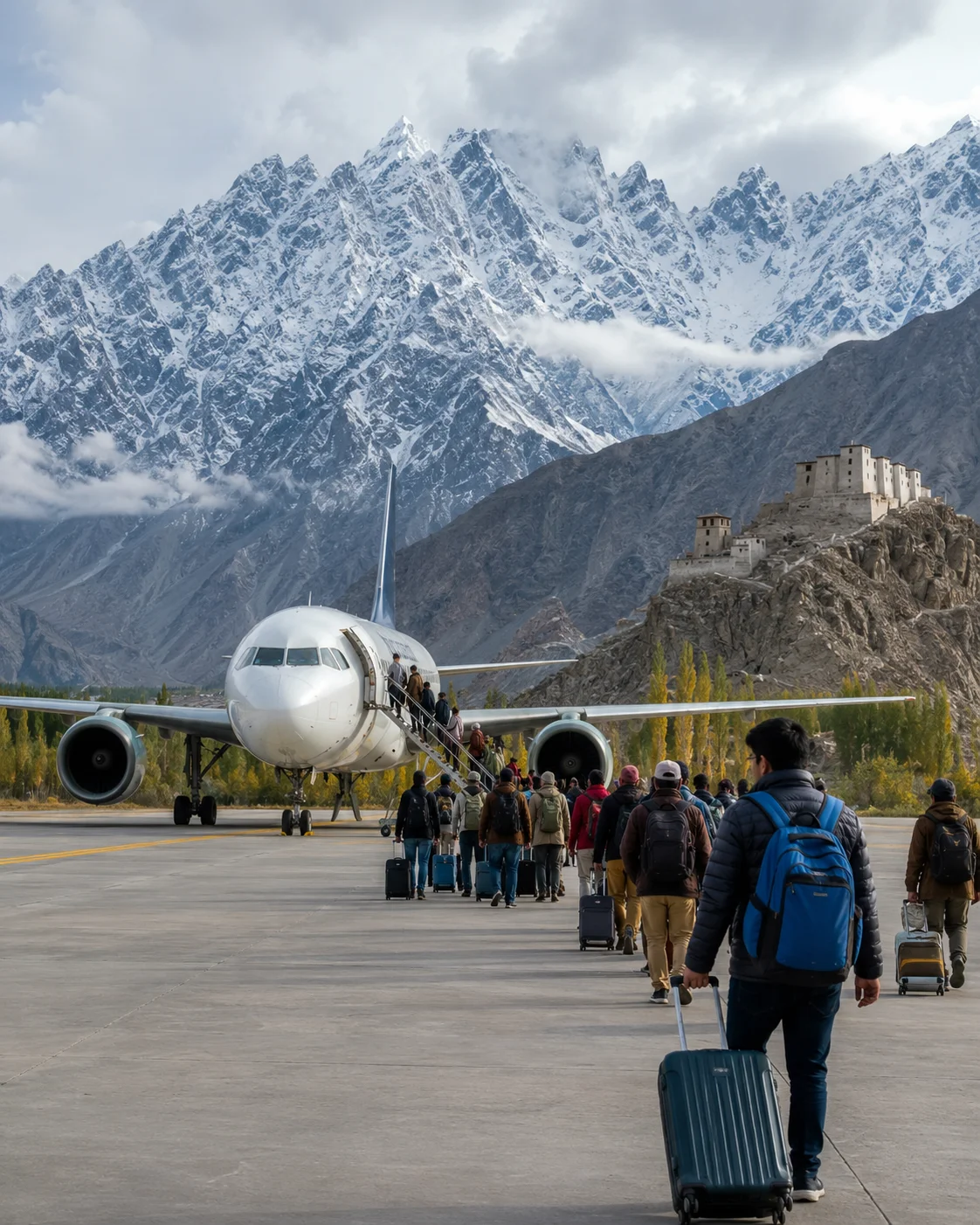
Gilgit-Baltistan Tourism Plans Include Proposed Skardu-Kashgar Flights
Gilgit-Baltistan tourism could receive a major boost under new proposals aimed at improving connectivity with China. Gilgit-Baltistan Chief Minister Amjad Hussain has suggested launching direct flights between Skardu and Kashgar and introducing a visa-on-arrival facility for Chinese tourists visiting Hunza, subject to approval by Pakistan’s federal government. The proposals were discussed during a meeting with Chinese Ambassador Jiang Zaidong in Islamabad as both sides explored ways to strengthen cooperation in tourism, trade, investment and regional connectivity.
According to an official statement, the discussions also covered opportunities in energy, mining, infrastructure and cross-border economic collaboration between Gilgit-Baltistan and China’s Xinjiang Uyghur Autonomous Region.
Gilgit-Baltistan Tourism at the Center of Pakistan-China Discussions
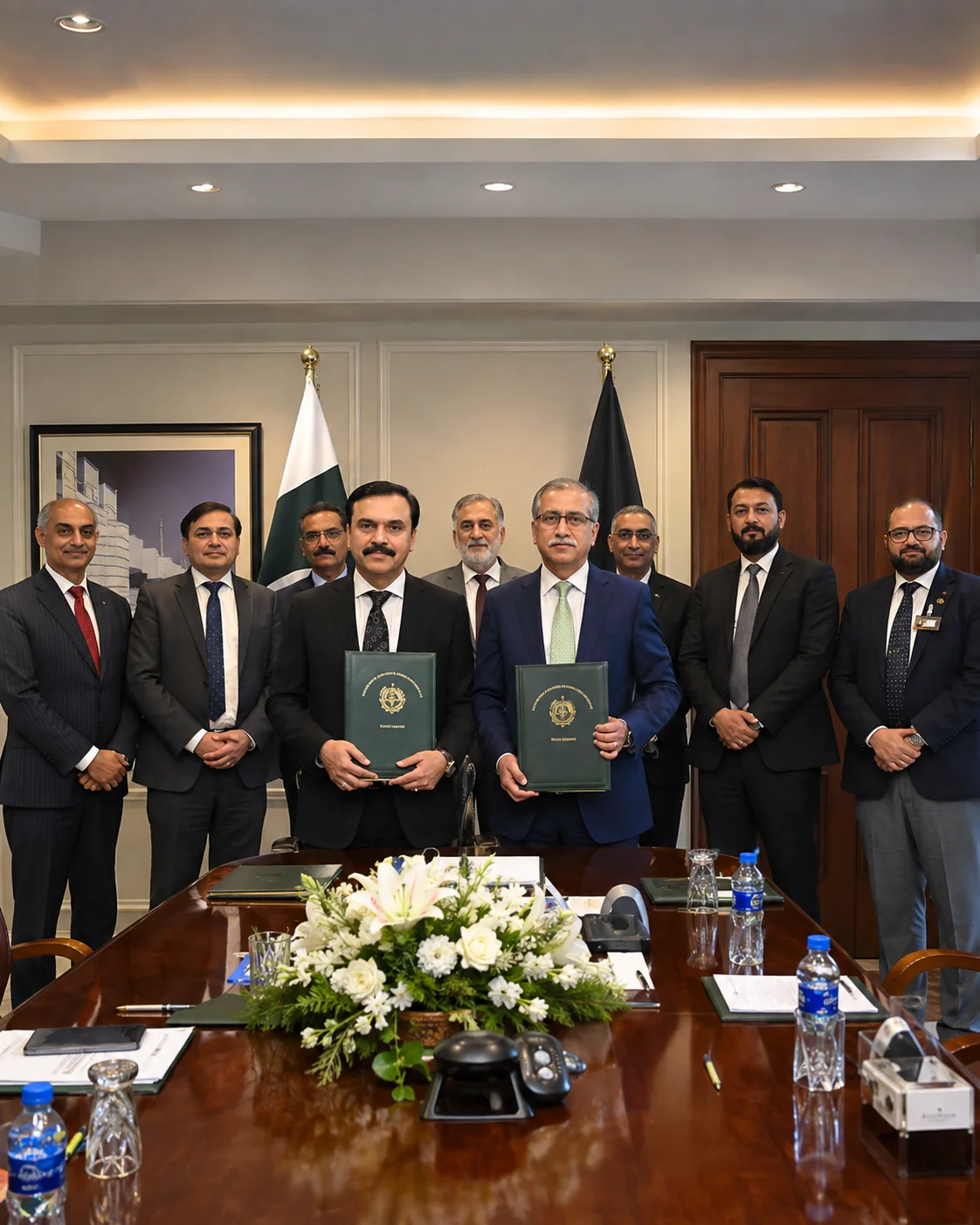
The proposals were presented during a meeting held at the Chinese Embassy in Islamabad on Friday between Chief Minister Amjad Hussain and Chinese Ambassador Jiang Zaidong.
According to an official statement, the meeting focused on expanding bilateral cooperation in sectors that could contribute to the economic development of Gilgit-Baltistan while strengthening ties between Pakistan and China.
Among the key proposals were direct commercial flights linking Skardu with Kashgar and a visa-on-arrival facility for Chinese tourists travelling to Hunza. The visa proposal would require approval from Pakistan’s federal government before any implementation.
If introduced, both measures could make travel between northern Pakistan and western China more convenient for tourists and business visitors.
Proposed Skardu-Kashgar Flights Could Improve Regional Connectivity
One of the most significant proposals discussed was the introduction of direct flights between Skardu and Kashgar.
Chief Minister Amjad Hussain said improved air connectivity would encourage tourism while strengthening people-to-people exchanges between communities in Gilgit-Baltistan and China’s Xinjiang region.
Skardu has become one of Pakistan’s fastest-growing tourist destinations in recent years, attracting domestic and international visitors with its mountains, lakes and access to some of the world’s highest peaks.
Kashgar, meanwhile, serves as an important commercial and cultural center in western China and is located relatively close to Pakistan through the China-Pakistan border.
Direct flights could reduce travel time and potentially support business travel, tourism and cultural exchanges if the proposal moves forward.
Visa-on-Arrival Proposal for Chinese Tourists
Another proposal discussed during the meeting involved introducing a visa-on-arrival facility for Chinese visitors travelling to Hunza.
According to the official statement, the proposal is intended to simplify travel procedures for tourists from China and encourage greater tourism and commercial interaction.
However, the chief minister noted that such a facility would be subject to approval by the federal government, which oversees Pakistan’s immigration and visa policies.
If approved, easier travel procedures could encourage more visitors from China to explore destinations across Gilgit-Baltistan, particularly Hunza, one of Pakistan’s most popular mountain tourism regions.
Investment Opportunities Highlighted
Beyond tourism, Chief Minister Amjad Hussain invited the Chinese government and private investors to consider investment opportunities across Gilgit-Baltistan.
According to the official statement, he identified several sectors with significant potential, including:
Hydropower Development
Gilgit-Baltistan possesses considerable hydropower resources due to its mountainous terrain and river systems. Expanding energy infrastructure remains one of the region’s long-term development priorities.
Mineral Resources
The chief minister highlighted mining as another sector with investment potential, reflecting the region’s rich natural resources.
Renewable Energy
Renewable energy projects were also discussed as part of broader efforts to promote sustainable development and improve energy availability.
Tourism Infrastructure
The regional government encouraged investment in tourism-related infrastructure, including facilities that could support increasing numbers of domestic and international visitors.
Transport and Infrastructure
Improving transport networks and infrastructure remains essential for expanding trade and supporting long-term economic growth in Gilgit-Baltistan.
The chief minister assured prospective investors that the regional government would provide necessary facilitation for investment projects.
China Reaffirms Support for Regional Cooperation
Chinese Ambassador Jiang Zaidong congratulated Chief Minister Amjad Hussain on assuming office and reaffirmed the longstanding friendship between Pakistan and China.
According to the official statement, the ambassador said there is substantial scope for deeper cooperation between Gilgit-Baltistan and China’s Xinjiang Uyghur Autonomous Region, particularly Kashgar.
He noted that collaboration could be expanded across several sectors, including tourism, trade, energy and infrastructure development.
The discussions reflect continued efforts by both sides to strengthen regional cooperation through economic partnerships and improved connectivity.
Why These Proposals Matter
Gilgit-Baltistan occupies a strategically important position in northern Pakistan and serves as a gateway to China through the Khunjerab border crossing.
Tourism has become one of the region’s fastest-growing industries, with destinations such as Hunza, Skardu, Khaplu and Deosai attracting increasing numbers of visitors every year.
Improved transportation links could make the region more accessible to international tourists while creating additional opportunities for local businesses, hotels, transport operators and related industries.
Similarly, increased investment in renewable energy, hydropower, mining and infrastructure could contribute to long-term economic development if proposed projects move ahead.
While neither the direct flight service nor the visa-on-arrival facility has been approved at this stage, the proposals indicate an intention to expand cooperation between Pakistan and China through tourism and economic partnerships.
Pakistan-China Partnership Continues to Expand
Pakistan and China maintain longstanding diplomatic and economic relations that include cooperation across infrastructure, trade, education, tourism and regional development.
Gilgit-Baltistan’s location makes it an important part of broader efforts to strengthen cross-border connectivity and encourage greater interaction between communities on both sides of the border.
The latest proposals presented by Chief Minister Amjad Hussain align with ongoing discussions aimed at increasing tourism, facilitating investment and improving transportation links between the two neighboring countries.
Any future implementation of these initiatives will depend on further discussions between relevant authorities and, in the case of visa policy, approval by Pakistan’s federal government.
Conclusion
The proposals for direct Skardu-Kashgar flights and a visa-on-arrival facility for Chinese tourists represent potential steps toward strengthening Gilgit-Baltistan tourism and expanding economic cooperation with China. Alongside invitations for investment in hydropower, mining, renewable energy and infrastructure, the discussions underscore both sides’ interest in promoting regional development through closer collaboration. While the proposals remain subject to further consideration and necessary approvals, they highlight growing efforts to improve connectivity between northern Pakistan and western China.
Source:
- Official Statement
Our audience means everything to us.
Have feedback or suggestions to make us better? We’re always listening—feel free to get in touch with us at editor@truthorahub.com



Leave a Comment