

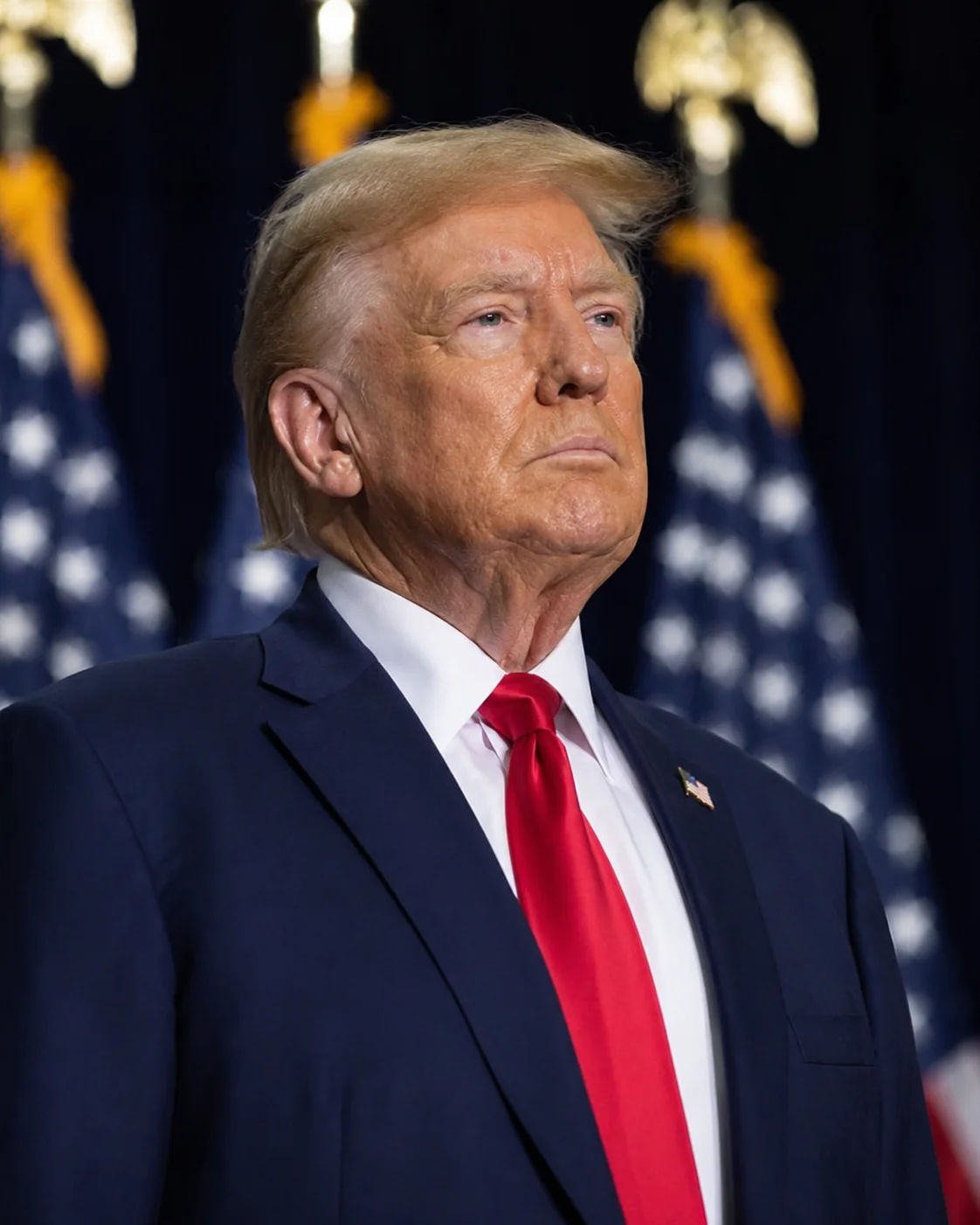
Trump Iran Attack Decision: US Considers Broader Military Action as Regional Tensions Rise
The Trump Iran attack decision remains under close international scrutiny after US President Donald Trump said he is considering a military operation against Iran that would be larger than previous strikes carried out during the ongoing conflict. His remarks came as oil prices climbed above the $100-per-barrel mark and tensions continued to escalate across the Middle East, raising concerns about regional stability and global energy supplies.
Speaking to Axios, Trump said he was “close to making a decision” regarding a significantly larger military response but stressed that no final order had yet been given. His comments followed renewed US strikes inside Iran and growing concerns over attacks on commercial shipping routes linked to Iran-backed Houthi forces.
Trump Signals Possible Expansion of US Military Operations
Trump indicated that the United States is prepared to intensify military action if necessary, saying a larger operation remains under consideration. He also claimed Israel would participate if requested but added that the United States was capable of acting independently.
Despite the strong rhetoric, reports later indicated that US forces carried out another round of overnight strikes that appeared similar in scale to previous operations rather than representing the larger offensive Trump had described.
According to reports, explosions were heard in several parts of Iran, including areas near the Strait of Hormuz, Bandar Abbas, Qeshm Island, northwestern Iran, and Tehran. Iranian state media reported the incidents, although independent verification of the damage was limited.
Oil Prices Rise as Markets React
The possibility of broader military action has continued to affect global energy markets.
Brent crude oil, the international benchmark, again moved above the symbolic $100 per barrel level as investors reacted to concerns that fighting could further disrupt oil exports from the Gulf.
The Strait of Hormuz remains one of the world’s most important maritime routes for oil transportation, making any military escalation in the area a major concern for energy markets and governments worldwide.
Houthi Attacks Increase Pressure on Regional Shipping
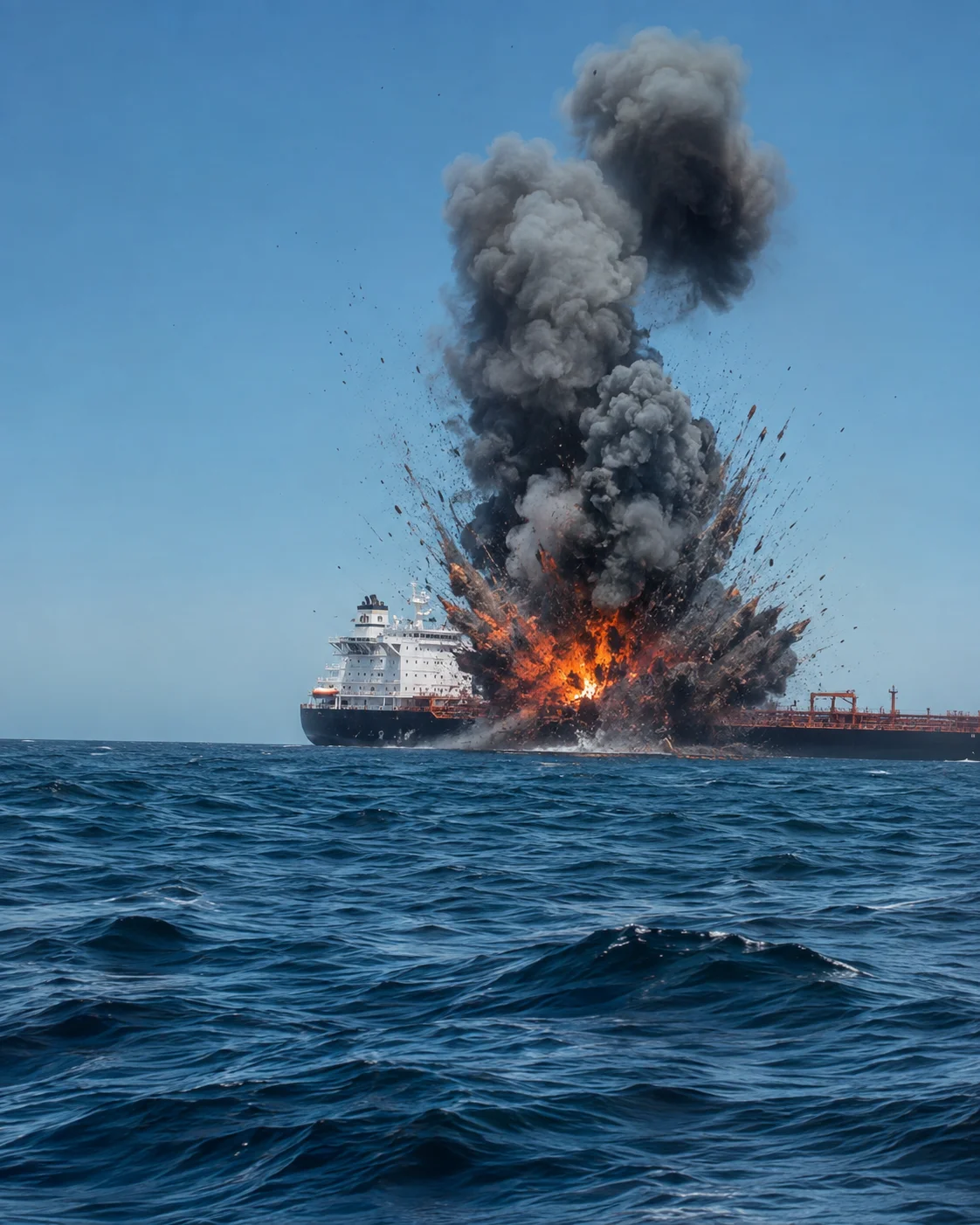
Trump’s latest comments came shortly after he warned Iran of “major military punishment” following attacks by Yemen’s Iran-backed Houthi movement on two Saudi oil tankers in the Red Sea.
The Houthis claimed responsibility for striking the vessels, identified as Encelia and Layla, alleging both ships caught fire. No casualties were immediately reported.
The attacks marked the first reported strike on commercial vessels since the Houthis announced a blockade targeting Saudi-linked shipping.
Trump later stated on social media that the United States would hold Iran responsible for future Houthi attacks, describing the group as an Iranian proxy.
Iran has consistently supported the Houthis politically and militarily, although the exact extent of its operational involvement in individual attacks remains disputed.
Reports of Iranian Military Support to Houthis
According to Reuters, citing four unnamed sources including two Iranian officials, Iran allegedly transferred members of the Islamic Revolutionary Guard Corps (IRGC) along with military-related equipment and drone components to Yemen earlier this month.
Reuters reported that the transfer allegedly took place while Tehran was encouraging the Houthis to strengthen pressure around the Bab el-Mandeb Strait.
These allegations have not been independently verified, and Iranian authorities have not publicly confirmed the reported transfer.
Strategic Shipping Routes Face Growing Risks
The latest attacks have increased concerns over two of the world’s most important maritime chokepoints.
While the Strait of Hormuz has already experienced major shipping disruptions during the conflict, the Bab el-Mandeb Strait now faces similar risks following Houthi operations in the Red Sea.
The Bab el-Mandeb connects the Red Sea with the Gulf of Aden and serves as a vital route linking Europe and Asia through the Suez Canal. Approximately 12% of global trade and roughly one-quarter of the world’s container shipping passes through this corridor.
Shipping analysts have warned that attacks in both waterways could create significant challenges for international commerce and energy supplies.
United Nations Warns of Escalating Conflict
The growing confrontation has also prompted renewed warnings from the United Nations.
Addressing the UN Security Council, Secretary-General António Guterres said the Middle East was approaching a dangerous point where repeated escalation could become increasingly difficult to control.
He warned that one crisis was fueling another and urged all parties to avoid actions that could expand the conflict further.
The UN has repeatedly called for diplomatic efforts aimed at reducing tensions and preventing wider regional instability.
International Governments Take Precautionary Measures
Several countries have begun implementing precautionary measures as security concerns increase.
The United Kingdom temporarily withdrew diplomatic staff from Iran, while Germany announced plans to reposition two naval vessels away from the Red Sea.
Meanwhile, the US State Department advised American citizens living in the region that flight disruptions were possible because of the evolving security situation.
These measures reflect growing concern among governments about the possibility of further military escalation.
Saudi Nuclear Deal Linked to Israel Normalisation
In a separate policy announcement, Trump said that future US assistance for Saudi Arabia’s civilian nuclear programme would require Riyadh to normalise relations with Israel through the Abraham Accords.
Saudi Arabia has historically maintained that formal recognition of Israel depends on meaningful progress toward Palestinian statehood.
Later reports indicated that Washington had not discussed this new condition with Saudi officials before Trump publicly announced it.
Rubio Says Washington Seeks Strong Response
US Secretary of State Marco Rubio said Washington intends to respond firmly following recent attacks that killed several US service members stationed in Jordan.
Speaking during an ASEAN meeting in Manila, Rubio claimed Iran was seeking negotiations while warning that Tehran would face serious consequences for its actions.
His comments reflected the Biden administration’s—correction, the Trump administration’s—continued emphasis on increasing pressure while leaving the door open for diplomacy if circumstances change.
Political Pressure Grows Inside the United States
The military situation is also becoming an increasingly significant domestic political issue.
According to reports, Trump’s handling of the Iran conflict faces growing political scrutiny as lawmakers debate the scope of presidential military authority.
The US House of Representatives narrowly approved another resolution aimed at limiting further military action against Iran without congressional approval, highlighting divisions within Washington over the conflict.
Although the resolution does not immediately halt military operations, it signals increasing concern among legislators regarding continued escalation.
Why the Situation Matters
The latest developments highlight how quickly the conflict has expanded beyond direct military exchanges between the United States and Iran.
Shipping disruptions in both the Strait of Hormuz and the Bab el-Mandeb Strait threaten international trade and global oil supplies, while repeated military exchanges increase the risk of a broader regional conflict involving multiple countries.
Diplomatic efforts continue alongside military operations, but uncertainty remains over whether negotiations or further escalation will shape the next phase of the crisis.
Source:
- Reuters
- Axios
- United Nations Security Council statements
- Iranian state media (for reported explosions)
Our audience means everything to us.
Have feedback or suggestions to make us better? We’re always listening—feel free to get in touch with us at editor@truthorahub.com



Leave a Comment