

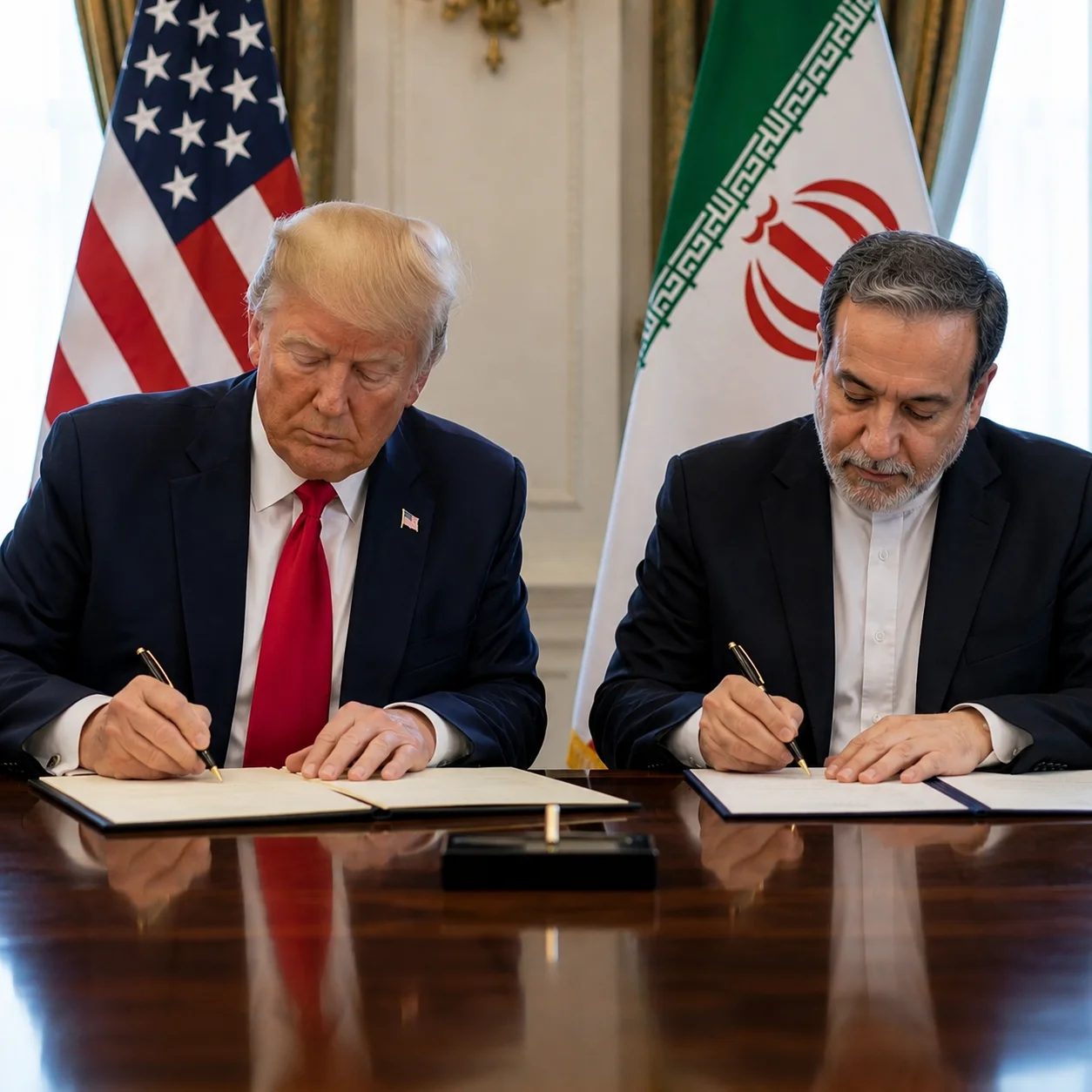
A New Chapter in US-Iran Relations Begins
After months of conflict, diplomatic tensions, and uncertainty across global markets, the United States and Iran have signed an initial peace agreement that could reshape the Middle East and influence the global economy for years to come.
The preliminary deal, officially described as a Memorandum of Understanding (MoU), has already attracted worldwide attention because it includes several major commitments: reopening the Strait of Hormuz, easing sanctions on Iran, launching a massive reconstruction framework, and beginning negotiations on Iran’s nuclear program. The agreement also establishes a 60-day window during which both countries will attempt to finalize a broader and more permanent settlement.
But while supporters describe the agreement as a breakthrough, critics argue that the most difficult issues remain unresolved.
So, what exactly is in the deal, and why is the entire world watching so closely?
Why Is This Agreement So Important?
The conflict between the United States and Iran had already begun affecting international trade, oil prices, shipping routes, and investor confidence.
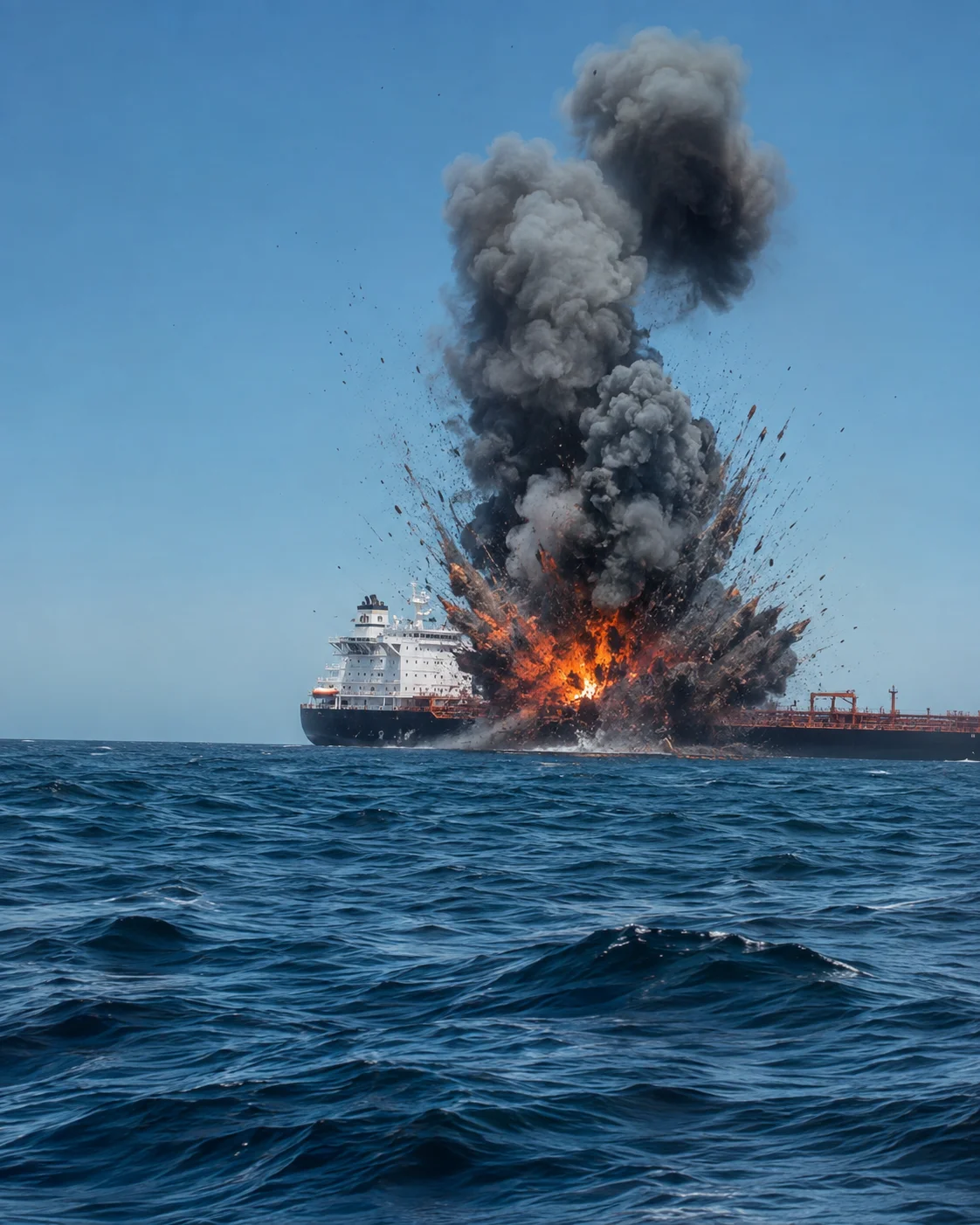
One of the biggest concerns was the Strait of Hormuz, one of the world’s most important energy corridors. A significant portion of global oil and liquefied natural gas shipments passes through this narrow waterway every day. Disruptions in the region quickly sent shockwaves through energy markets and contributed to fears of rising inflation worldwide.
The new agreement seeks to reduce those risks by restoring maritime traffic and creating a framework for future cooperation.
What Does the Deal Actually Include?
The memorandum contains 14 major points covering security, economics, diplomacy, and nuclear issues.
Among the most significant provisions are:
Immediate End to Military Operations
The agreement calls for an immediate halt to military operations and commits both sides to avoiding future military escalation. It also includes provisions related to regional stability and ongoing tensions in neighboring areas.
Reopening the Strait of Hormuz
Perhaps the most economically important part of the deal is the reopening of the Strait of Hormuz.
Iran has agreed to facilitate commercial shipping through the strategic waterway, helping restore normal trade flows. For at least 60 days, ships are expected to pass through without additional charges while longer-term arrangements are negotiated.
Sanctions Relief
The United States has agreed to begin easing certain economic restrictions and sanctions under specific conditions.
This could allow Iran to increase oil exports and reconnect more fully with international financial systems, although many details remain subject to future negotiations.
Reconstruction and Economic Development
The agreement also includes discussions surrounding a proposed $300 billion reconstruction and economic development framework intended to support Iran’s recovery and future growth. The exact implementation mechanisms are expected to be finalized during upcoming negotiations.
The Nuclear Issue Remains the Biggest Challenge
While the agreement addresses many immediate concerns, the issue that originally sparked much of the tension remains unresolved.
Iran has reaffirmed that it will not pursue nuclear weapons, while both sides have agreed to continue discussions regarding uranium enrichment, nuclear oversight, and the future of Iran’s nuclear activities. The agreement also includes provisions for handling enriched uranium under international supervision.
However, the details of a final nuclear settlement still need to be negotiated.
This is why many analysts view the memorandum as a starting point rather than a final peace agreement.
Why Are Oil Markets Reacting?
Financial markets responded almost immediately to the announcement.
Oil prices moved lower as investors anticipated a potential increase in global supply and reduced risks to energy transportation routes. The possibility of Iranian oil returning more freely to international markets contributed to expectations that supply conditions could improve in the coming months.
For consumers around the world, including in Pakistan, developments in global oil markets often influence fuel prices, transportation costs, and inflation trends.
This is one reason why a diplomatic agreement thousands of kilometers away can still affect everyday life.
Why Pakistan and the Region Are Paying Attention
Pakistan has strong interests in regional stability, trade routes, and energy security.
Any improvement in Middle Eastern stability could help reduce uncertainty in energy markets and improve economic conditions across the wider region.
In addition, the reopening of important shipping routes benefits international trade networks that connect Asia, Europe, and the Middle East.
Many countries are therefore monitoring the negotiations carefully, knowing that the outcome could influence economic growth far beyond the immediate parties involved.
Supporters Call It a Diplomatic Breakthrough
Supporters of the agreement argue that diplomacy has succeeded where military pressure alone could not.
They point to several immediate benefits:
- Reduced risk of wider regional conflict
- Improved security for commercial shipping
- Lower pressure on global energy markets
- Opportunity for continued diplomatic engagement
- Potential economic recovery initiatives
Advocates also believe that a structured negotiation process creates a better environment for resolving complex issues peacefully.
Critics Remain Skeptical
Not everyone is convinced.
Some critics argue that significant concessions are being discussed before all concerns about Iran’s nuclear program have been fully addressed.
Others question whether the proposed economic benefits and sanctions relief should occur before a comprehensive final agreement is reached. Political leaders from multiple perspectives have expressed concerns regarding enforcement, compliance, and long-term accountability.
There are also questions about how regional actors will respond and whether future negotiations can successfully address the remaining disputes.
What Happens During the Next 60 Days?
The next two months may be the most important phase of the entire process.
Negotiators are expected to focus on:
- Iran’s nuclear program
- Long-term sanctions arrangements
- Maritime security in the Strait of Hormuz
- Economic cooperation mechanisms
- Release and management of financial assets
- Monitoring and verification systems
If negotiations succeed, a more comprehensive agreement could emerge. If they fail, tensions could rise once again.
Could This Change the Global Economy?
That is the question investors, businesses, and governments are now asking.
A successful final agreement could:
- Increase global energy supplies
- Stabilize oil markets
- Improve shipping security
- Reduce inflationary pressures
- Encourage international investment
However, economists caution that the economic impact will depend on implementation, compliance, and the outcome of future negotiations. Several experts have noted that uncertainty remains despite the initial optimism.
Final Thoughts
The signing of the US-Iran Memorandum of Understanding marks one of the most significant diplomatic developments in recent years.
For now, the agreement offers hope for reduced tensions, improved economic stability, and renewed dialogue between two long-standing rivals. Yet the most difficult issues have not disappeared—they have simply moved to the negotiating table.
The coming 60 days will determine whether this memorandum becomes the foundation of lasting peace or merely a temporary pause in a much larger dispute.
One thing is certain: the world will be watching closely.
Source:
Reuters, The Guardian, Times of India, Axios, Al Jazeera and other international media reports.
Our audience means everything to us.
Have feedback or suggestions to make us better? We’re always listening—feel free to get in touch with us at truthora2026@gmail.com


Leave a Comment