

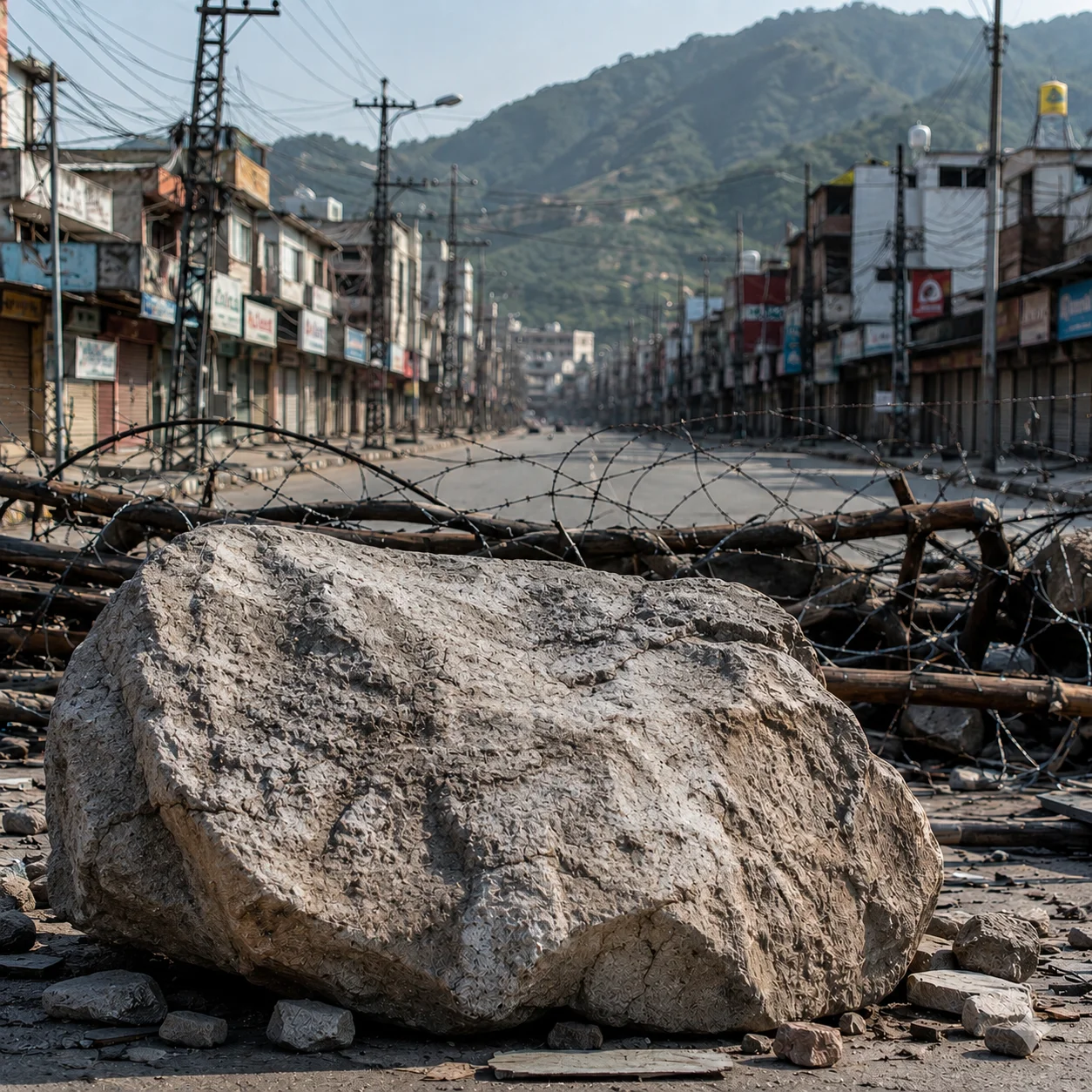
Rising Tensions in Kashmir Leave Dozens Dead and Injured
A political dispute that has been simmering for years in Pakistan-administered Kashmir has erupted into one of the region’s most serious episodes of unrest in recent memory. What began as a movement demanding changes to electoral representation has now resulted in deadly clashes, widespread protests, security crackdowns, and growing concerns about the future stability of the region.
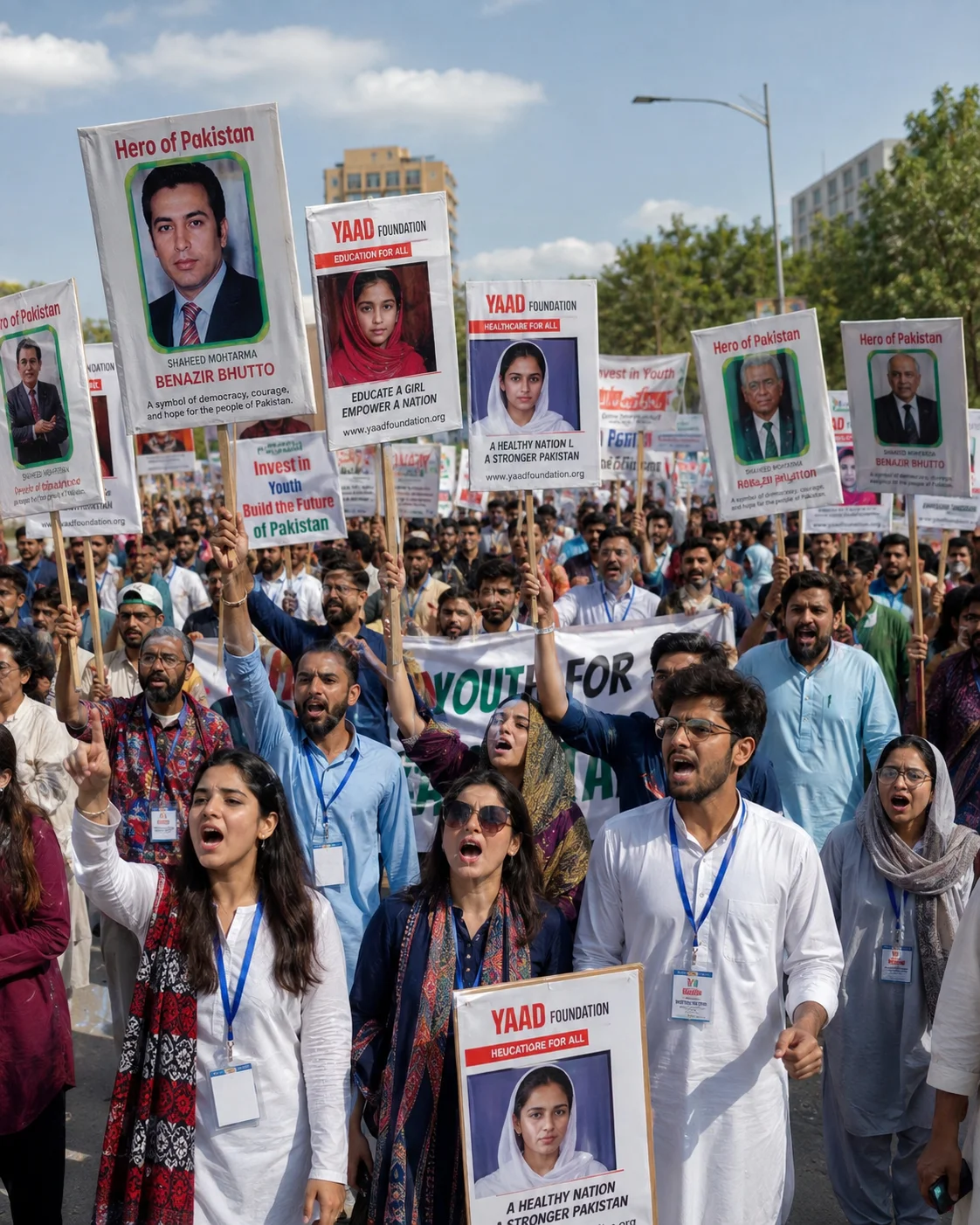
At least 15 people, including civilians and security personnel, have lost their lives in recent confrontations between protesters and law enforcement officials. Dozens more have been injured as thousands continue marching toward Muzaffarabad, the region’s capital, despite heavy security deployments and government restrictions.
But what exactly is driving this anger? Why are thousands of people willing to risk arrest and violence to continue protesting? And what could happen next?
The Issue at the Heart of the Protests
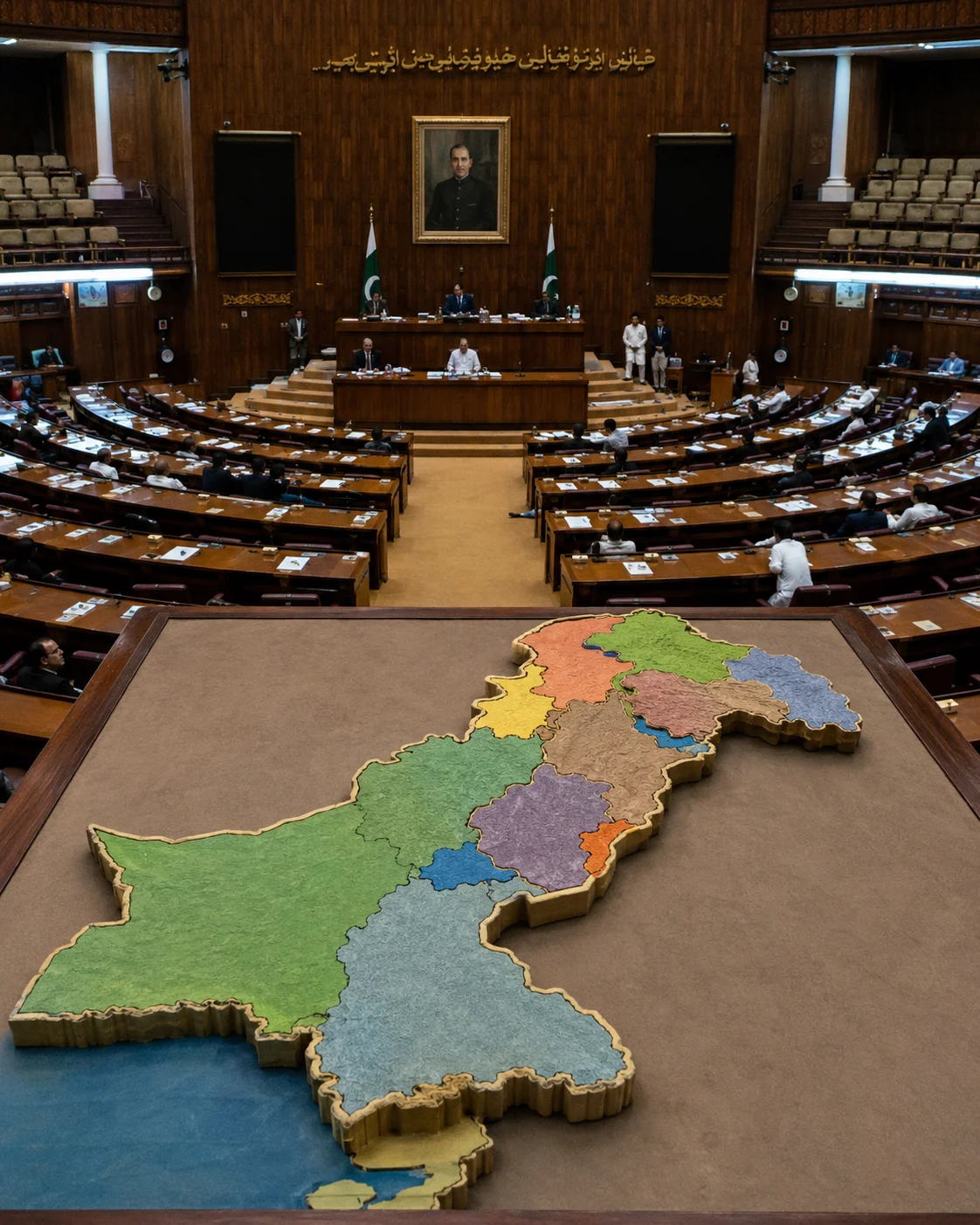
The current unrest revolves around 12 seats in the Legislative Assembly of Pakistan-administered Kashmir.
These seats are reserved for refugees who migrated from Indian-administered Kashmir to Pakistan decades ago following the partition of the subcontinent and subsequent conflicts over Kashmir.
Supporters of the existing system argue that displaced Kashmiris deserve representation because they were forced from their homes due to historical circumstances beyond their control. They believe maintaining these seats preserves the political voice of refugee communities.
However, critics argue that nearly a quarter of the assembly should not be reserved for individuals who do not currently live in the territory. They say the arrangement limits opportunities for local residents and weakens democratic representation.
This disagreement has become the central political issue ahead of the upcoming regional elections.
Who Is Leading the Movement?
Much of the recent protest activity has been associated with the Joint Awami Action Committee (JAAC), an alliance of activist groups that has gained significant influence in recent years.
The group initially attracted public support through campaigns focused on everyday issues such as rising electricity costs, inflation, and access to essential services.
Over time, however, its demands expanded to include broader political reforms, including changes to the assembly’s reserved-seat structure.
JAAC leaders argue that all assembly seats should be contested by residents living within the territory. According to supporters, this would create a more representative and accountable political system.
Government officials, however, maintain that the refugee seats are protected by constitutional provisions and cannot simply be removed through protests or administrative decisions.
How Did the Situation Escalate?
The latest crisis intensified after authorities banned the JAAC and accused some of its leaders of activities that threatened public order and security.
Despite the ban, organizers called for a major march toward Muzaffarabad.
Thousands of people responded.
As security forces attempted to prevent large gatherings and control movement in key areas, confrontations broke out in several towns, including Rawalakot and Kotli.
Witnesses described tense scenes as protesters and police faced off in streets that quickly turned chaotic.
The violence soon resulted in fatalities on both sides, triggering even greater public anger and drawing national and international attention.
Instead of discouraging participation, the clashes appeared to motivate more people to join demonstrations and express solidarity with the movement.
Muzaffarabad Under Pressure
In recent days, life in Muzaffarabad has changed dramatically.
Many businesses have remained closed, transportation services have been disrupted, and residents have reported unusually quiet streets.
Security checkpoints have become more visible throughout the city, while authorities have increased patrols in sensitive areas.
The atmosphere remains tense as officials seek to prevent further violence while protesters continue pushing toward the capital.
For many residents, uncertainty has become part of daily life.
Some support the demonstrations, viewing them as a struggle for political rights. Others worry that prolonged instability could damage the local economy and affect ordinary citizens who depend on daily business activity.
A Court Decision That Changed Everything
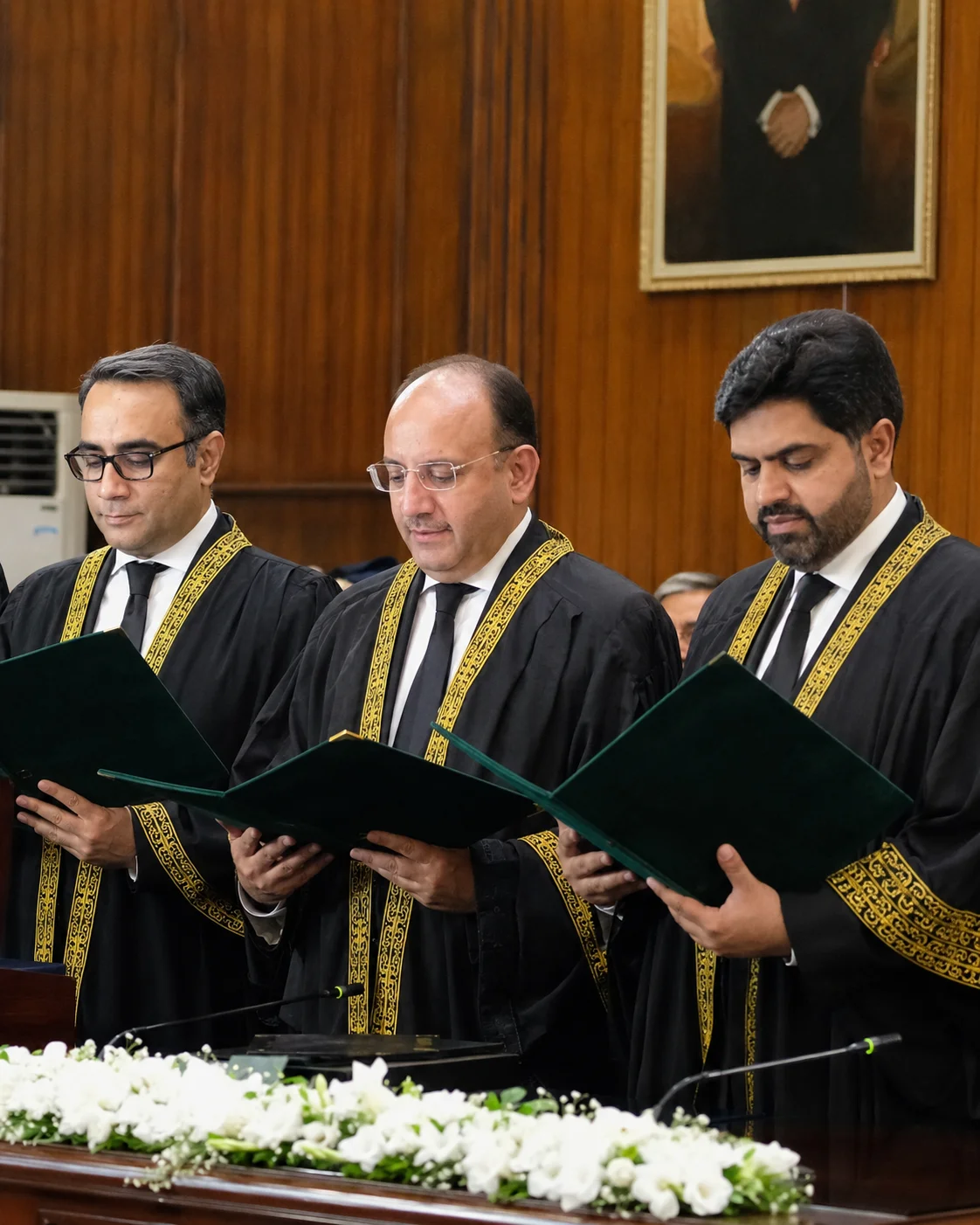
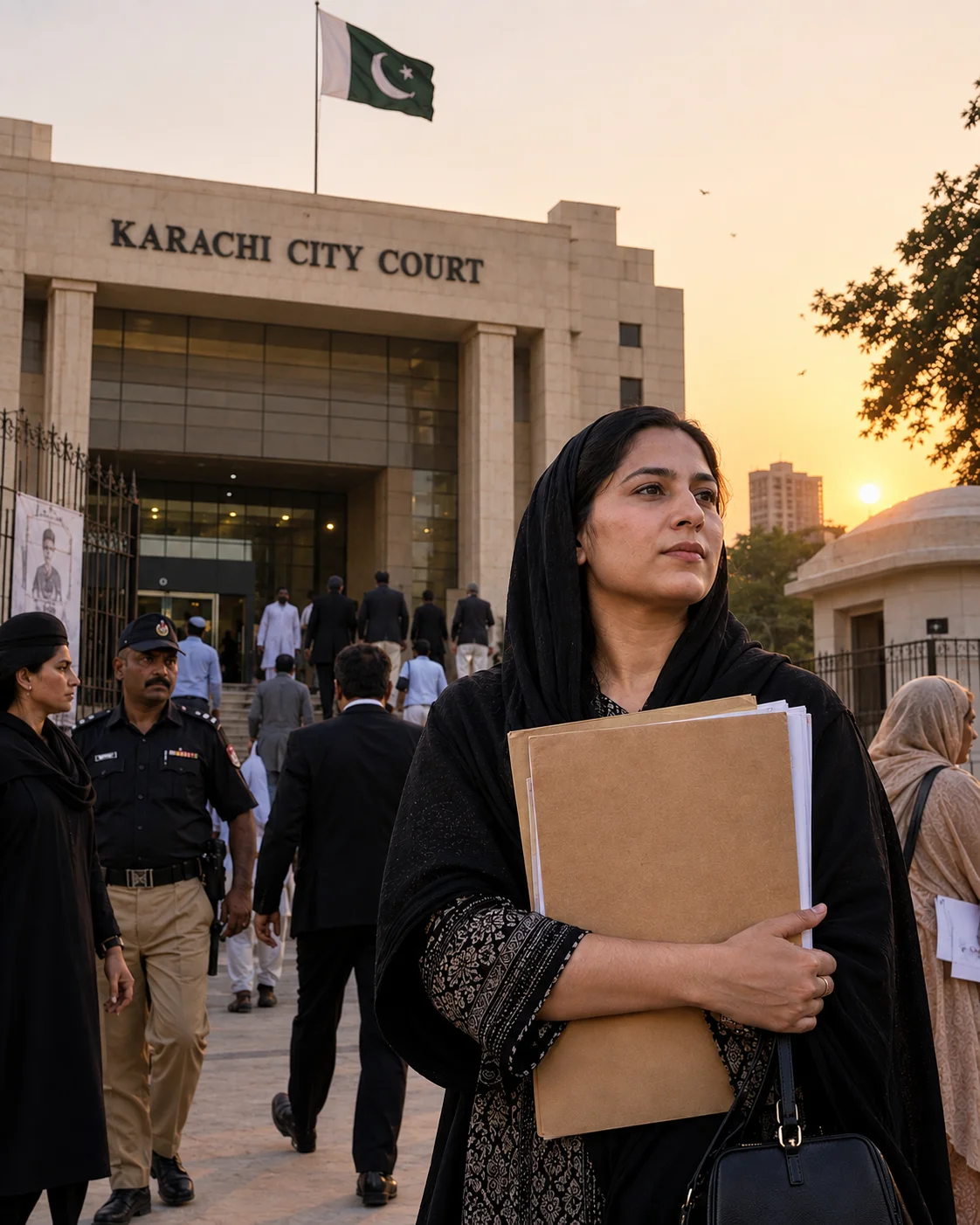
Another major turning point came when the region’s highest court reaffirmed that the refugee seats are constitutionally protected.
The ruling effectively stated that these seats cannot be abolished through executive action or public pressure alone.
For protest organizers, the decision was deeply disappointing.
Many activists believed the court ruling ignored widespread public concerns about representation and political fairness.
For government supporters, however, the judgment reinforced the importance of respecting constitutional processes.
The differing interpretations of the ruling have further polarized public opinion.
Human Rights Concerns Draw International Attention
The unrest has also sparked concern among international human rights organizations.
Rights groups have raised questions about the use of force during demonstrations, reports of internet disruptions, arrests of activists, and restrictions on public gatherings.
They have called for restraint from all parties and urged authorities to protect the rights of peaceful protesters while maintaining public safety.
At the same time, officials insist that security measures are necessary to prevent violence and preserve order.
This disagreement highlights a challenge often faced during periods of political unrest: balancing security concerns with civil liberties.
Why Does This Matter Beyond Kashmir?
The current crisis is about more than just 12 assembly seats.
For many residents, the debate touches on larger questions about representation, governance, accountability, and political participation.
It also comes at a sensitive time, with elections approaching and public expectations growing.
Observers note that political disputes in the region often carry broader significance because Kashmir remains one of South Asia’s most sensitive and closely watched territories.
Developments there are frequently followed not only by local communities but also by policymakers, analysts, and international observers.
As a result, even local political disputes can attract global attention.
What Are Protesters Demanding?
While the reserved seats issue has dominated headlines, many participants say their concerns extend beyond a single constitutional question.
Among the demands frequently raised are:
- Greater local representation
- Increased political accountability
- Electoral reforms
- Improved governance
- Protection of democratic rights
- Greater public participation in decision-making
Supporters argue these issues deserve serious discussion through political dialogue rather than confrontation.
Could Dialogue Prevent Further Violence?
One question now dominates conversations across the region:
Can negotiations still succeed?
Some political leaders have indicated a willingness to engage in talks, while protest organizers continue insisting that their concerns must be addressed meaningfully.
History shows that prolonged political disputes rarely disappear on their own.
Many analysts believe dialogue may be the only realistic path toward reducing tensions and preventing additional casualties.
However, rebuilding trust after deadly confrontations is never easy.
Both sides face pressure from their supporters, making compromise increasingly difficult.
What Happens Next?
As thousands continue their march and security forces remain on high alert, the situation remains unpredictable.
The coming days could prove decisive.
If negotiations begin, tensions may gradually ease. If confrontations continue, the region could witness further instability at a time when many residents are already exhausted by uncertainty.
For now, Pakistan-administered Kashmir stands at a critical moment.
The debate over representation has evolved into a much larger conversation about governance, rights, and political identity.
Whether that conversation ultimately leads to reform, reconciliation, or deeper divisions remains to be seen.
One thing is certain: the events unfolding today are likely to shape the region’s political future for years to come.
Source:
BBC, Reuters, Associated Press (AP), Al Jazeera, Amnesty International, regional officials and local media reports.
Our audience means everything to us.
Have feedback or suggestions to make us better? We’re always listening—feel free to get in touch with us at truthora2026@gmail.com


Leave a Comment