

Rising Tensions Leave Multiple Dead and Dozens Injured
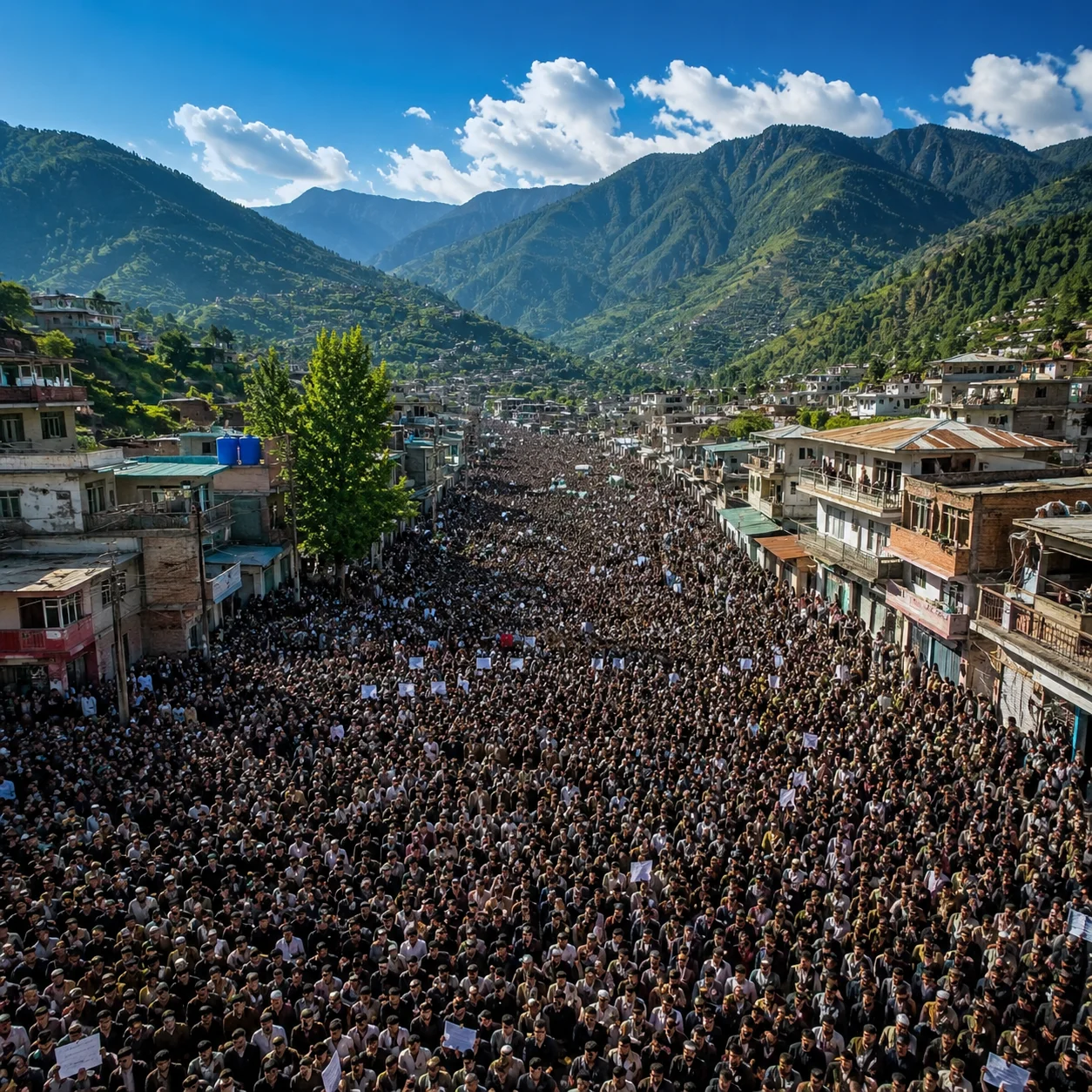
Pakistan-administered Kashmir is witnessing one of its most serious political crises in recent years, as deadly clashes between protesters and security forces have left at least 15 people dead and dozens injured. The unrest, centered around a controversial electoral issue, has triggered widespread protests, strikes, security crackdowns, and growing concerns about stability in the region.
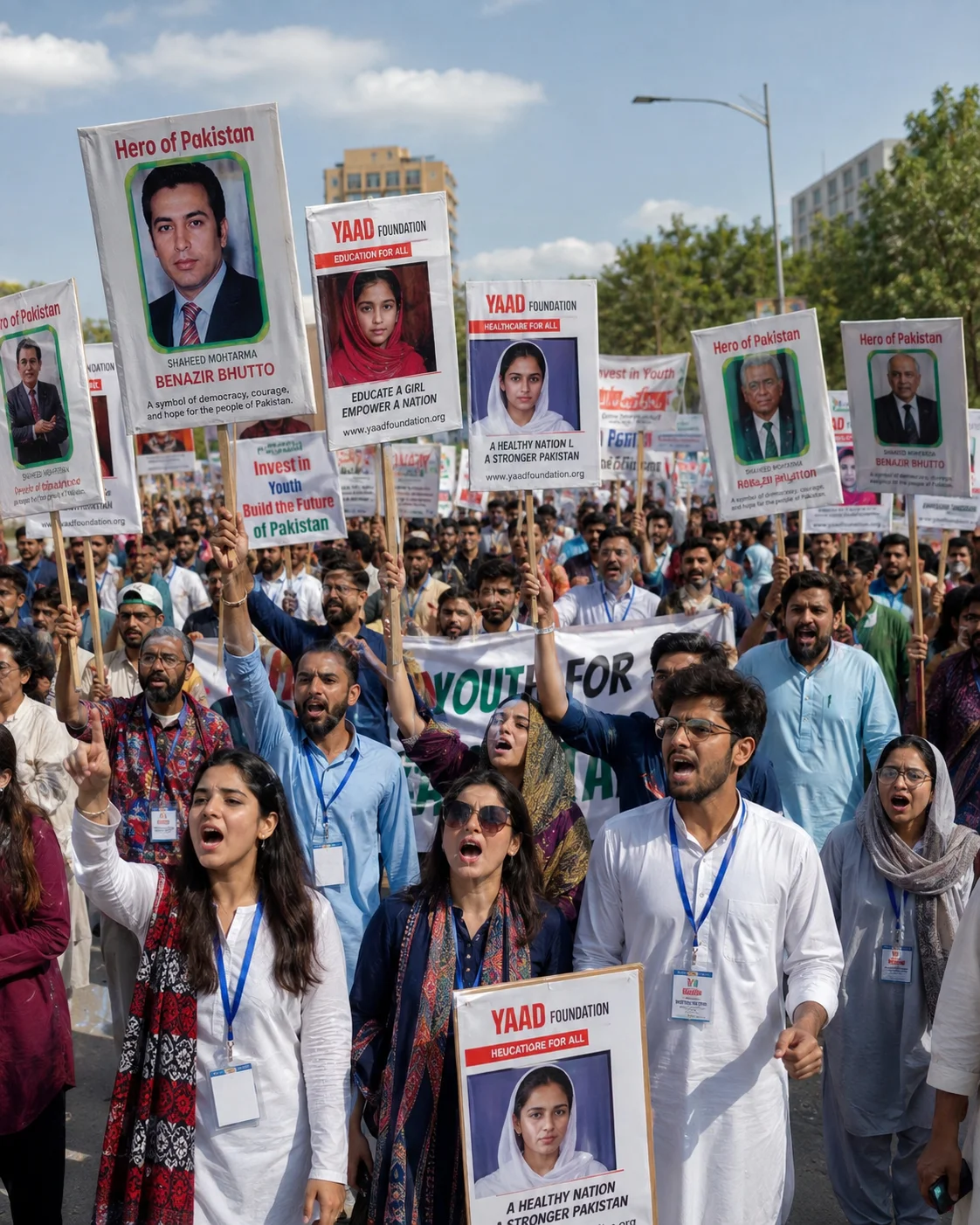
Thousands of demonstrators have continued marching toward Muzaffarabad despite restrictions imposed by authorities, creating a tense atmosphere across several districts. With businesses shut, roads blocked, and security forces deployed in large numbers, many residents are wondering: How did the situation reach this point, and what happens next?
What Triggered the Latest Protests?
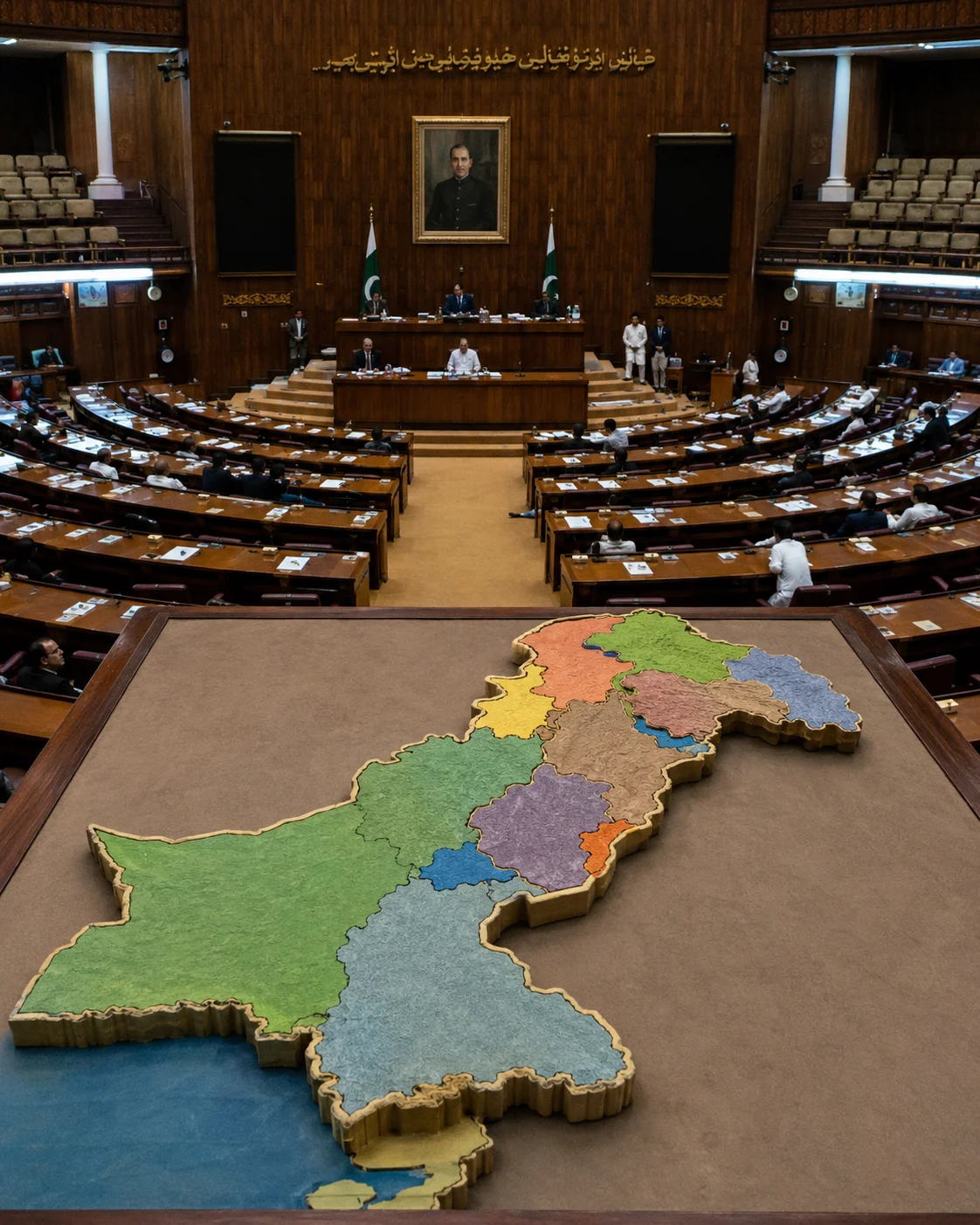
At the heart of the dispute is the reservation of 12 seats in the Azad Jammu and Kashmir Legislative Assembly for Kashmiri refugees living elsewhere in Pakistan.
The upcoming regional elections, scheduled for July 27, have brought renewed attention to this longstanding constitutional arrangement. Protesters argue that individuals who do not currently reside in Pakistan-administered Kashmir should not hold dedicated seats in the local legislature.
Leading the movement is the Joint Awami Action Committee (JAAC), a coalition of civil society groups, traders, activists, and political campaigners. The organization has demanded the abolition of the reserved seats, claiming that all elected representatives should come directly from communities living within the region.
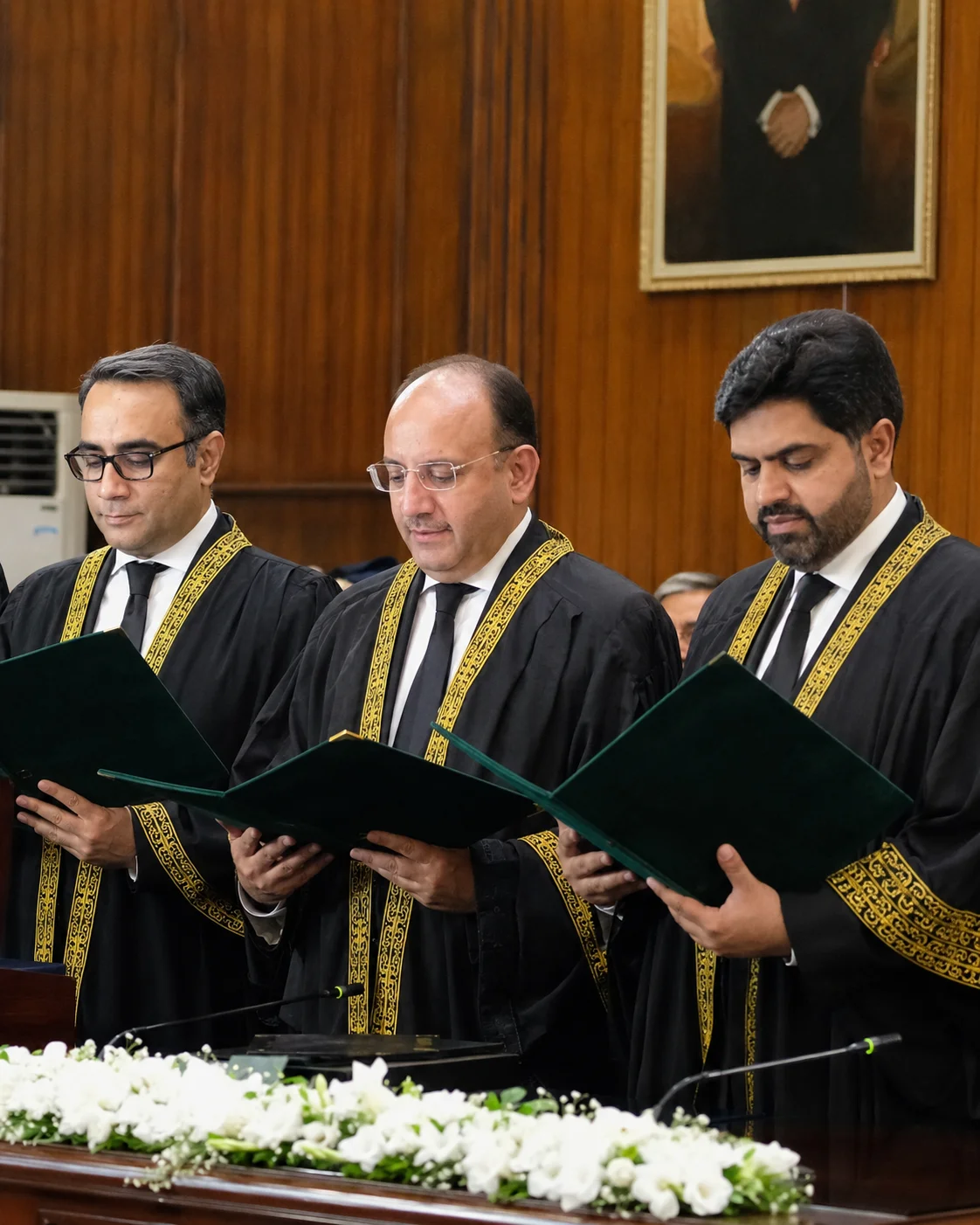
Government officials, however, maintain that the seats are protected under constitutional provisions and cannot be removed through protests or administrative decisions. The Supreme Court of Pakistan-administered Kashmir recently reaffirmed this position, ruling that any change would require a constitutional amendment. This decision further intensified public anger and helped fuel the current wave of demonstrations.
From Political Disagreement to Deadly Violence
What began as a political dispute quickly escalated into violence.
According to officials, clashes first erupted in Rawalakot when security personnel attempted to disperse protesters. The confrontation turned deadly, with both civilians and security officials among those killed. Authorities reported that several police officers died during the unrest, while protesters accused security forces of using excessive force. More than 70 people were reportedly injured.
The violence soon spread to other districts, including Kotli, where additional fatalities were reported. As tensions mounted, thousands of people joined protest convoys moving toward Muzaffarabad, raising fears of further confrontations.
Local authorities say maintaining law and order remains their priority. Protest organizers, meanwhile, insist their movement is focused on political representation and democratic rights.
Why Are the Reserved Seats So Controversial?
To understand the controversy, it is important to look at the history behind the reserved seats.
The 12 seats were created to represent refugees who migrated from Indian-administered Kashmir to Pakistan following the partition of British India and subsequent conflicts over Kashmir. Supporters argue that these communities remain directly connected to the Kashmir dispute and therefore deserve representation within the legislative framework.
Critics, however, believe the arrangement no longer reflects modern political realities. They argue that individuals living outside the region should not influence decisions affecting local governance, development, and public services.
For many protesters, the issue goes beyond electoral representation. It has become a symbol of broader concerns about political accountability, local autonomy, and public participation in decision-making processes.
The Government’s Response
Authorities responded to the growing protests by officially banning the Joint Awami Action Committee under anti-terrorism legislation, citing concerns about public order and security.
Following the ban, dozens of activists and supporters were reportedly detained. Security forces increased their presence across major towns and cities, while internet and communication restrictions were imposed in several areas.
Officials have also announced legal action against prominent JAAC leaders, accusing them of inciting unrest. Government representatives argue that the measures are necessary to prevent further violence and protect public safety.
However, the crackdown has generated criticism from human rights organizations and political observers, who warn that restrictions on assembly and communication may deepen public frustration rather than resolve the crisis.
Human Rights Concerns Draw International Attention
The developments have attracted attention beyond the region.
Amnesty International has expressed concern about reports of internet shutdowns, mass arrests, and the use of force against demonstrators. The organization described the situation as a troubling deterioration of civil liberties and called for respect for fundamental rights, including freedom of expression and peaceful assembly.
Human rights advocates argue that dialogue remains the most effective path toward reducing tensions and preventing additional loss of life.
At the same time, government officials insist that law enforcement actions are being taken to maintain order during a period of heightened instability.
A Region Already Facing Deep Challenges
The current unrest is not occurring in isolation.
Over the past several years, Pakistan-administered Kashmir has witnessed multiple protest movements focused on economic hardship, electricity prices, wheat subsidies, governance reforms, and political representation.
Many of these demonstrations were also organized or supported by the JAAC. Previous negotiations between authorities and protest leaders reportedly resolved many demands, but disagreements over the reserved seats remained unresolved.
As a result, frustrations have continued to build among sections of the population who believe more substantial reforms are needed.
Analysts suggest the current crisis reflects a broader debate about how the region should be governed and how political power should be distributed in the future.
Streets Fall Silent as Fear Spreads
Across Muzaffarabad and other major towns, daily life has been significantly disrupted.
Markets have remained closed, public transport services have been suspended in many areas, and residents have largely stayed indoors amid fears of further clashes. Security checkpoints and patrols have become common sights on roads throughout the region. Helicopters have also been observed conducting surveillance flights in sensitive areas.
For ordinary residents, the uncertainty is taking an emotional and economic toll.
Business owners face financial losses due to prolonged closures, while families worry about safety and the possibility of additional violence.
Could Dialogue Prevent Further Escalation?
One question now dominates public discussion: Can meaningful dialogue prevent the crisis from worsening?
Several political figures have called for negotiations between government representatives and protest leaders. Some residents believe a peaceful solution remains possible if both sides engage in constructive discussions.
Others fear that continued arrests, restrictions, and confrontations could further polarize the situation.
Political analysts note that while the dispute currently centers on reserved assembly seats, it has evolved into a broader conversation about governance, representation, and the future direction of Pakistan-administered Kashmir. Resolving those deeper issues may require long-term political engagement rather than short-term security measures.
The Road Ahead
As thousands of protesters continue their movement and authorities maintain heightened security measures, the coming days could prove critical.
Whether the crisis moves toward dialogue or deeper confrontation will likely depend on decisions made by both government officials and protest leaders. What remains clear is that the dispute has already become one of the most significant political developments in Pakistan-administered Kashmir this year.
For now, residents wait anxiously as the region faces a period of uncertainty, mourning those who have lost their lives while hoping for a peaceful resolution to a conflict that continues to evolve.
Source:
BBC Urdu, Reuters, Associated Press (AP), Amnesty International, Al Jazeera
Our audience means everything to us.
Have feedback or suggestions to make us better? We’re always listening—feel free to get in touch with us at truthora2026@gmail.com



Leave a Comment