

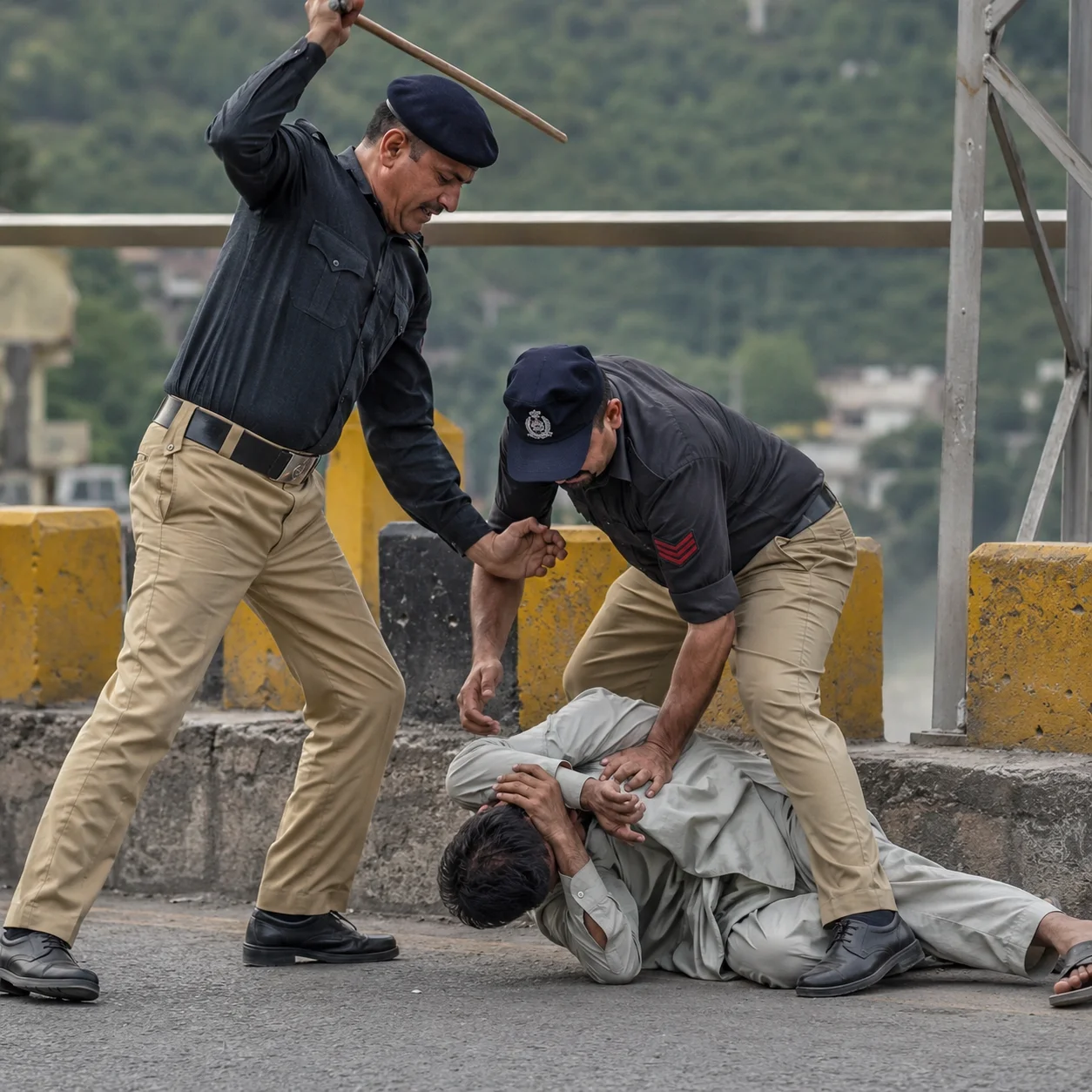
11 Killed, Dozens Injured as Political Tensions Escalate in AJK
Political tensions in Azad Jammu and Kashmir (AJK) have reached a dangerous level after deadly clashes between security forces and supporters of the outlawed Joint Awami Action Committee (JAAC) left at least 11 people dead and dozens injured. The violence erupted just days before a planned protest over political representation and constitutional rights, drawing attention from across Pakistan and beyond.
The incident has once again highlighted the growing divide between authorities and protest groups in the region, raising serious questions about governance, representation, and public trust.
But what exactly led to these deadly confrontations? Why are thousands of people protesting? And what could happen next?
Let’s take a closer look.
A Region Under Pressure
Azad Jammu and Kashmir has witnessed several waves of protests over the past few years. While earlier demonstrations largely focused on economic concerns such as electricity prices, wheat subsidies, and inflation, recent protests have increasingly shifted toward political and constitutional issues.
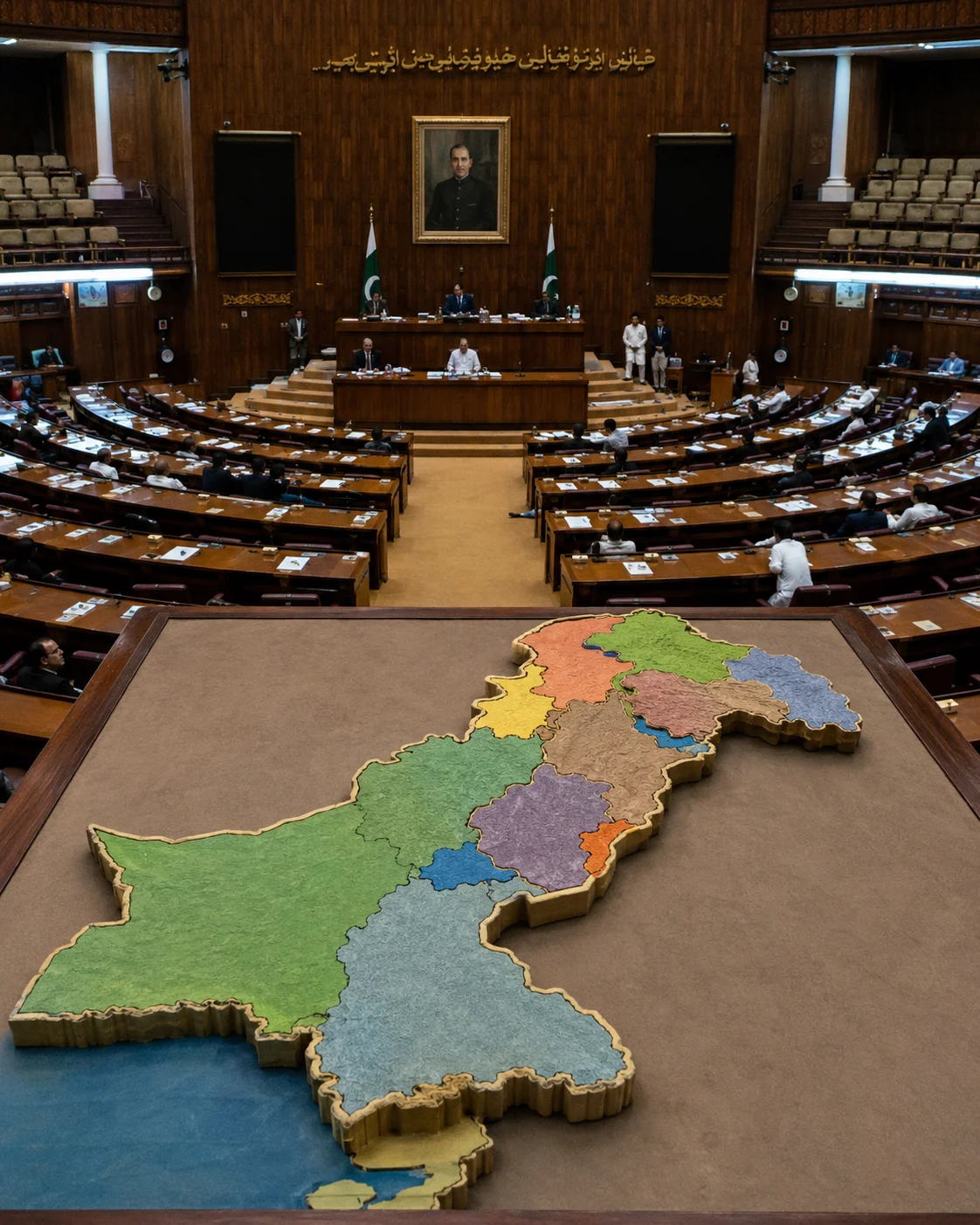
The latest unrest revolves around a controversial issue: 12 legislative seats reserved for Kashmiri refugees living in Pakistan.
For years, these seats have remained part of AJK’s political structure. However, many activists argue that refugees residing outside the region hold disproportionate influence over local politics and decision-making.
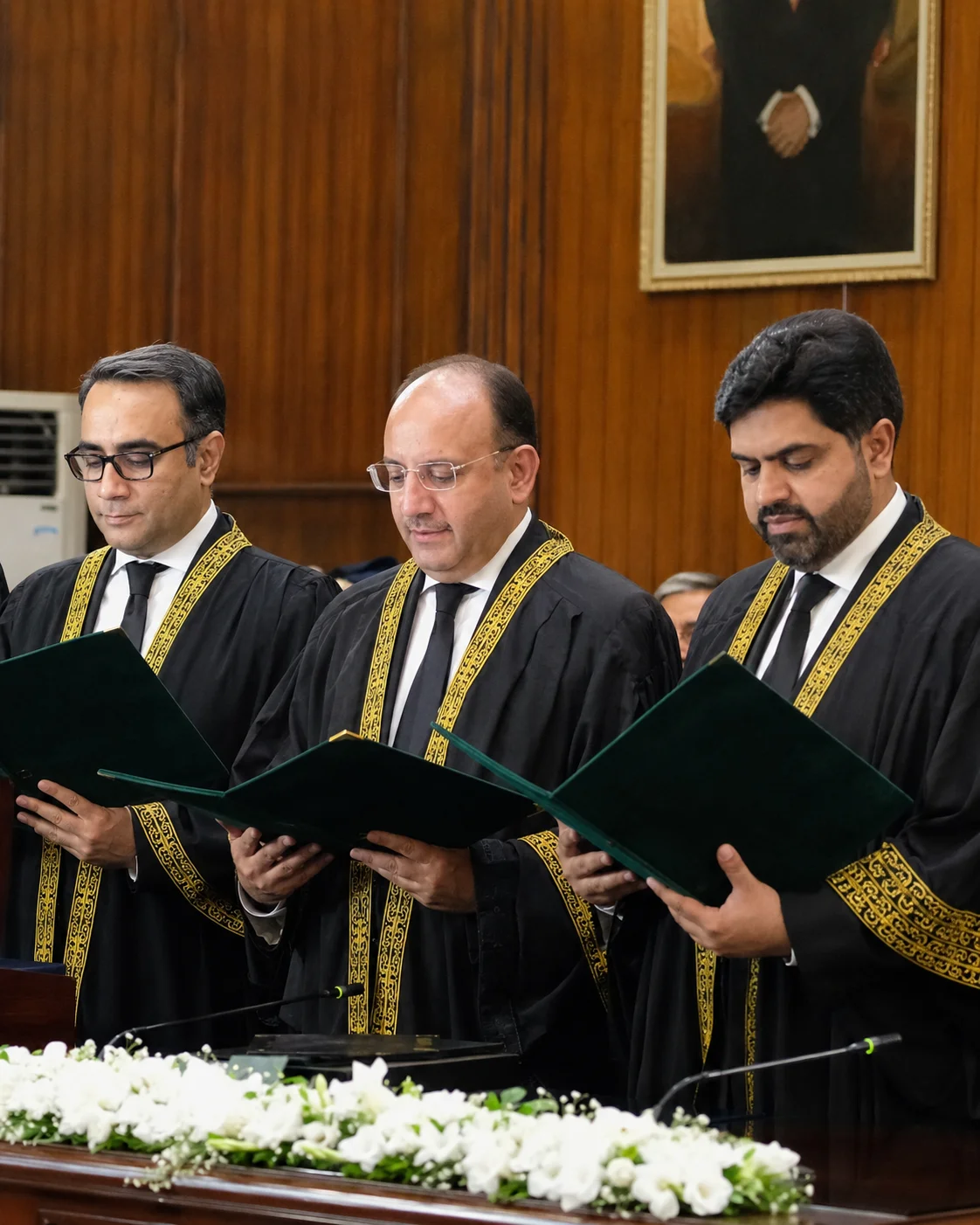
The debate intensified after the Supreme Court of Azad Jammu and Kashmir ruled that the reserved seats are constitutionally protected and cannot be abolished without a formal constitutional amendment.
That ruling became the spark that ignited an already tense situation.
What Did the Court Decide?
The Supreme Court’s decision was considered a landmark ruling.
The court concluded that the 12 refugee seats are protected under the existing constitutional framework and therefore cannot be removed through administrative action or political pressure. Any change would require a constitutional amendment approved through the proper legislative process.
Government officials welcomed the ruling, arguing that it removed uncertainty ahead of upcoming legislative elections.
However, protest groups viewed the verdict differently.
For JAAC and its supporters, the decision represented another setback in their campaign for political reforms and local representation.
Who Is the Joint Awami Action Committee?
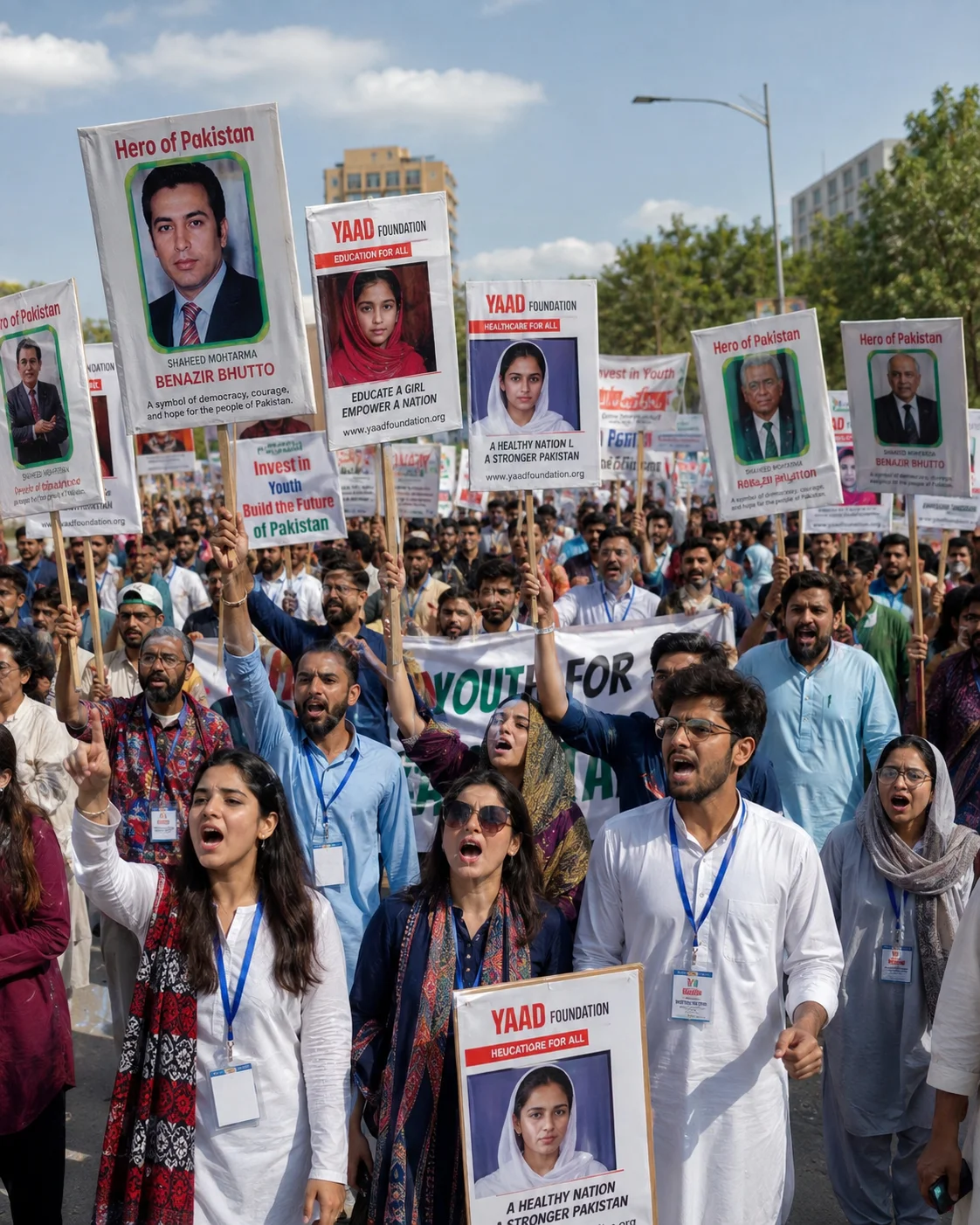
The Joint Awami Action Committee emerged as a grassroots movement bringing together traders, students, transporters, lawyers, and civil society activists. Over time, it transformed into one of the most influential protest movements in AJK.
Initially, the group gained public support through campaigns against rising electricity bills, inflation, and flour prices. Its protests pushed authorities to negotiate on several economic demands.
According to government officials, a large majority of the group’s 38-point charter of demands had already been accepted through negotiations. However, disagreements remained over two key issues:
- Abolition of the 12 refugee seats
- Structural political reforms and governance issues
These unresolved disputes eventually led to renewed protests and escalating tensions.
How Did the Violence Begin?
According to officials, clashes erupted in Rawalakot when supporters of the banned group confronted security forces.
Authorities alleged that some protesters were armed and opened fire on law enforcement personnel. Officials also claimed that public property was damaged and that a military hospital faced disruption during the unrest.
Government representatives reported that four security personnel were among those killed.
Meanwhile, JAAC leaders accused authorities of using excessive force against demonstrators and described the incident as a crackdown on political dissent. Protest leaders rejected official accounts and vowed to continue their movement.
As often happens during periods of unrest, competing narratives quickly emerged, making it difficult to establish a complete picture of events.
What remains clear is that the human cost has been significant.
The Human Impact Behind the Headlines
While political arguments dominate public debate, ordinary residents are often the ones who suffer most during periods of instability.
Families mourned the loss of loved ones.
Businesses closed their doors.
Transport services were disrupted.
Hospitals faced additional pressure due to the influx of injured individuals.
According to officials, more than 70 people, including security personnel and civilians, were wounded in the violence.
For many residents, the clashes served as a painful reminder of how quickly political disputes can affect everyday life.
Fear Spreads Across the Region
The violence created widespread concern among local communities.
Reports indicated that residents in several areas rushed to purchase food, medicines, and household essentials amid fears that protests and shutdowns could continue for an extended period.
In some cities, business owners worried about financial losses.
Daily wage earners expressed concern about losing income if strikes continued.
Parents worried about disruptions to schools and public services.
The atmosphere of uncertainty has become one of the defining features of the current crisis.
Security Measures Intensify
Following the clashes, authorities increased security across the region.
Additional law enforcement personnel were deployed to sensitive areas, while officials monitored planned demonstrations closely. Several supporters of the banned organization were also detained in an effort to prevent further violence.
Government representatives insisted that these measures were necessary to maintain public order and protect citizens.
Critics, however, argued that dialogue rather than force should be the preferred solution.
The challenge now facing authorities is finding a balance between maintaining security and protecting democratic rights.
Why This Issue Matters Beyond AJK
Although the current crisis is centered in Azad Kashmir, its implications extend beyond the region.
Kashmir remains one of South Asia’s most sensitive political issues.
Any instability in the region often attracts national and international attention.
Recent events have already generated reactions from members of the Kashmiri diaspora overseas, as well as political observers monitoring developments in the area.
The situation also comes at a politically sensitive time, with regional elections approaching and debates over representation becoming increasingly important.
Can Dialogue Prevent Further Violence?
This may be the most important question facing both authorities and protest leaders.
History shows that prolonged confrontations rarely produce lasting solutions.
Many analysts believe meaningful dialogue remains the only sustainable path forward.
Government officials have previously indicated willingness to continue discussions regarding unresolved demands. At the same time, protest leaders insist that key political concerns must not be ignored.
Whether both sides can return to the negotiating table may determine the future direction of the crisis.
The Bigger Reality
Behind every political slogan and legal debate lies a larger reality.
Citizens want stability.
Businesses want certainty.
Young people want opportunities.
Families want safety.
Regardless of political affiliation, most residents hope to see peaceful solutions that address concerns without further loss of life.
The recent violence has demonstrated how deeply emotions run on issues related to representation, governance, and political rights.
The challenge now is ensuring that disagreements are resolved through democratic processes rather than confrontation.
Conclusion
The deadly clashes in Azad Jammu and Kashmir mark one of the most serious political crises the region has experienced in recent months. What began as a dispute over legislative representation has evolved into a broader debate about political rights, governance, and public participation.
With at least 11 people dead, dozens injured, and tensions still running high, the coming days will be crucial. Authorities, protest leaders, and local communities all face difficult choices as they seek a path forward.
For now, residents across the region remain hopeful that dialogue, restraint, and responsible leadership can prevent further tragedy and restore stability to one of Pakistan’s most sensitive regions.
Source:
Reuters, Associated Press (AP), Arab News, Dawn, official statements from AJK authorities and regional law enforcement agencies.
Our audience means everything to us.
Have feedback or suggestions to make us better? We’re always listening—feel free to get in touch with us at truthora2026@gmail.com



Leave a Comment