

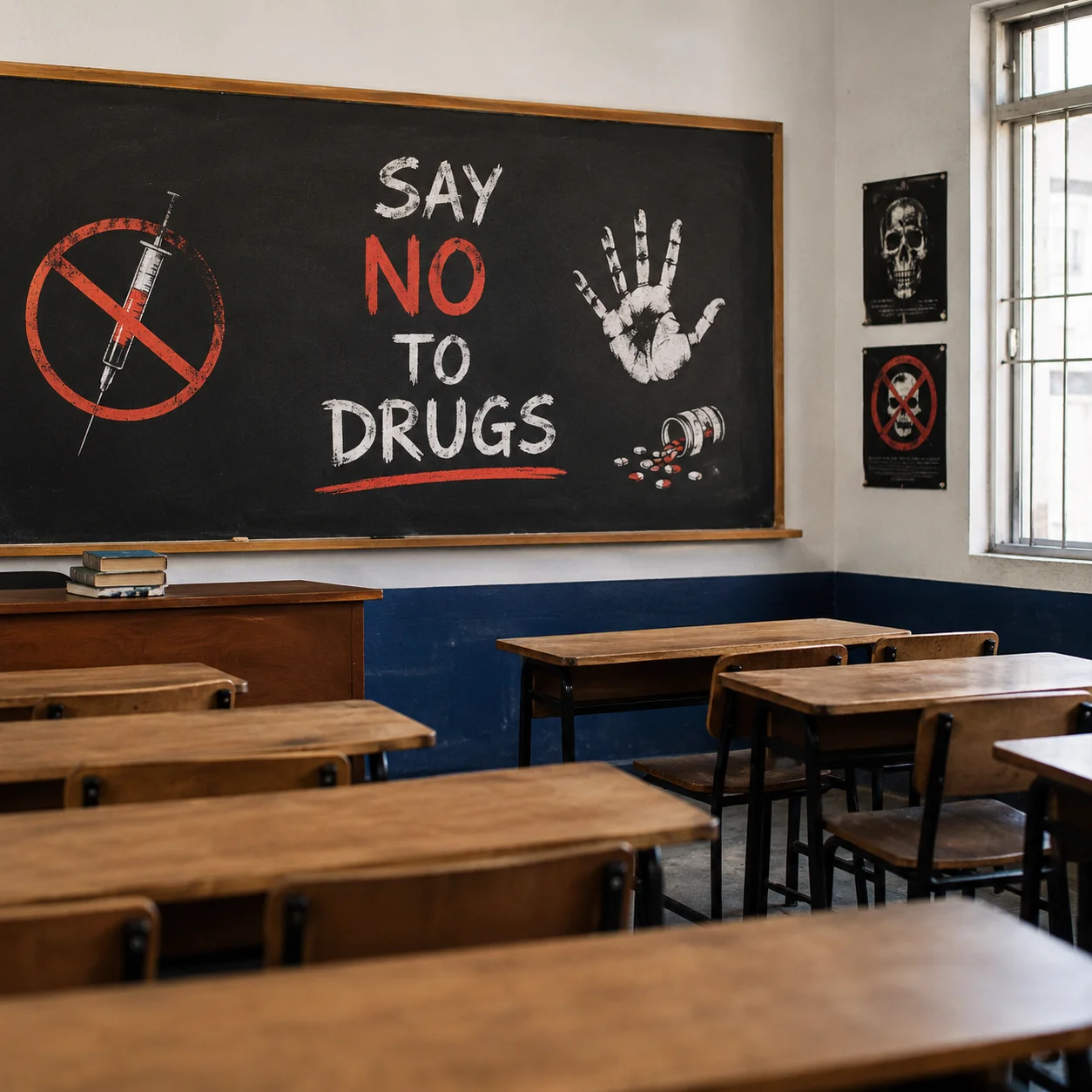
Educational Institutions and Police Join Hands to Create Safer Campuses Across the City
Karachi has taken a significant step in addressing the growing concern of drug abuse among students. In a coordinated effort involving law enforcement agencies, educational institutions, parents, and healthcare professionals, the South Zone Police have introduced a comprehensive anti-drug policy aimed at protecting students and promoting a healthier academic environment.
The initiative comes at a time when concerns about narcotics use among young people have become a topic of discussion across Pakistan. Educational institutions are increasingly being viewed as critical spaces where awareness, prevention, and early intervention can play a major role in protecting future generations.
According to officials, the newly introduced framework has been developed in collaboration with the heads of 22 schools, colleges, and universities operating within Karachi’s South District. The policy seeks to establish a long-term strategy rather than relying solely on enforcement actions.
Why Is Student Drug Abuse Becoming a Growing Concern?
Across many urban centers, educators and parents have raised concerns about the increasing availability of illegal substances and their impact on young people.
Drug abuse can affect students in several ways, including:
- Declining academic performance
- Mental health challenges
- Increased absenteeism
- Social isolation
- Risky behavior and criminal exposure
- Long-term physical health complications
Experts often argue that prevention is far more effective than punishment. By identifying vulnerable students early and offering support systems, institutions can help prevent substance abuse from becoming a lifelong problem.
Karachi’s new policy appears to embrace this philosophy by focusing not only on enforcement but also on awareness, rehabilitation, and community engagement.
What Does the New Anti-Drug Policy Include?
The newly introduced framework is built around several key pillars designed to address the issue from multiple angles.
Prevention Through Awareness
One of the central goals of the policy is to educate students about the dangers of drug abuse before problems arise.
Schools and universities participating in the initiative are expected to organize:
- Awareness seminars
- Educational workshops
- Anti-drug campaigns
- Student counseling sessions
- Community engagement programs
Officials believe that many young people underestimate the physical, psychological, social, and legal consequences associated with narcotics use.
By increasing awareness, authorities hope students will make informed decisions and avoid situations that could expose them to illegal substances.
Early Identification and Intervention
Another important aspect of the policy focuses on identifying students who may already be struggling with substance abuse.
Instead of treating these individuals solely as offenders, the framework encourages educational institutions to provide support through:
- Counseling services
- Professional guidance
- Early intervention programs
- Rehabilitation referrals where necessary
This approach reflects a growing global trend that views addiction as a public health issue requiring treatment and support rather than punishment alone.
Formation of Anti-Drug Committees on Campuses
To strengthen implementation, anti-drug committees will be established within participating institutions.
These committees are expected to include:
- School and university administrators
- Teachers and faculty members
- Parents
- Law enforcement representatives
The committees will monitor developments, organize awareness activities, and help identify potential risks before they escalate.
Officials believe that involving multiple stakeholders will create a stronger and more effective response to drug-related challenges.
Greater Role for Parents
One of the most discussed features of the policy is the proposed involvement of parents and legal guardians.
Authorities have suggested that parents may be required to sign a drug prevention declaration during admission or re-admission procedures.
The purpose of this measure is to encourage active parental participation in maintaining drug-free educational environments.
Experts often emphasize that parents play a crucial role in identifying behavioral changes among children and adolescents. Strong communication between families and educational institutions can significantly improve prevention efforts.
Strengthening Cooperation Between Institutions and Police
The policy also promotes closer cooperation between educational institutions and law enforcement agencies.
Schools, colleges, and universities will be encouraged to report any suspicious activities or individuals attempting to target students with drug-related operations.
Officials say this collaboration will help prevent criminal networks from gaining access to educational environments.
The strategy reflects a broader understanding that combating narcotics requires cooperation across multiple sectors rather than isolated efforts.
Campus Security and Substance Abuse Watch Already Active
The latest policy builds upon previous measures introduced by Karachi’s South Zone Police.
Last year, authorities established the Campus Security and Substance Abuse Watch, a specialized unit designed to monitor educational institutions and respond to potential threats involving narcotics.
The force includes both male and female officers and was created to enhance surveillance, awareness, and preventive interventions around schools, colleges, and universities.
Officials say the specialized unit serves as both a deterrent and a support mechanism for educational institutions facing challenges related to drug abuse.
Current Surveillance Efforts Across South District
Authorities have already expanded monitoring efforts in several educational institutions.
According to official figures:
- 20 out of 158 private schools are currently under surveillance
- 8 out of 22 private colleges are being monitored
- 4 out of 9 private universities are under observation
The purpose of surveillance is to identify threats, prevent criminal infiltration, and ensure a safer environment for students.
Can Awareness Alone Solve the Problem?
While awareness campaigns are important, experts generally agree that no single solution can completely eliminate drug abuse.
Successful prevention typically requires:
Strong Family Support
Students with healthy family relationships often have stronger emotional support systems and are less vulnerable to harmful influences.
Educational Engagement
Schools and universities that actively engage students through extracurricular activities, counseling, and mentorship programs often create positive alternatives to risky behavior.
Community Participation
Local communities, healthcare providers, and civil society organizations can play an important role in supporting prevention efforts.
Consistent Enforcement
Targeting drug suppliers and criminal networks remains essential to reducing the availability of narcotics.
Karachi’s new strategy attempts to combine all of these elements into a single coordinated framework.
A Shift Toward Long-Term Solutions
One of the most notable aspects of the policy is its emphasis on sustainability.
Rather than focusing exclusively on arrests and crackdowns, the initiative aims to create a culture of prevention, responsibility, and healthy development.
Officials involved in the program have stressed that the ultimate goal extends beyond law enforcement. The broader objective is to protect future generations, strengthen public health, and preserve the integrity of educational institutions.
What Could This Mean for Karachi’s Students?
If implemented effectively, the initiative could contribute to:
- Safer learning environments
- Increased awareness among students
- Earlier identification of substance abuse cases
- Stronger cooperation between parents and schools
- Better access to counseling and rehabilitation services
- Reduced influence of drug suppliers around campuses
The success of the policy will ultimately depend on continued collaboration among educational institutions, parents, students, healthcare professionals, and law enforcement agencies.
Looking Ahead
The introduction of Karachi’s anti-drug policy marks an important development in the city’s efforts to address substance abuse among young people. As educational institutions begin implementing the framework, many will be watching closely to see how effectively it can reduce risks and promote healthier outcomes for students.
The challenge is significant, but so is the opportunity. By combining awareness, prevention, intervention, and enforcement, Karachi is attempting to create a model that places student well-being at the center of its strategy.
For parents, educators, and students alike, one question remains: Can a united community effort help create truly drug-free campuses? The coming months may provide the answer.
Source:
Dawn Pakistan, Pakistan Today, official statements from Karachi South Zone Police.
Our audience means everything to us.
Have feedback or suggestions to make us better? We’re always listening—feel free to get in touch with us at truthora2026@gmail.com









Leave a Comment