

Could Karachi Become South Asia’s Next Digital and Maritime Gateway?
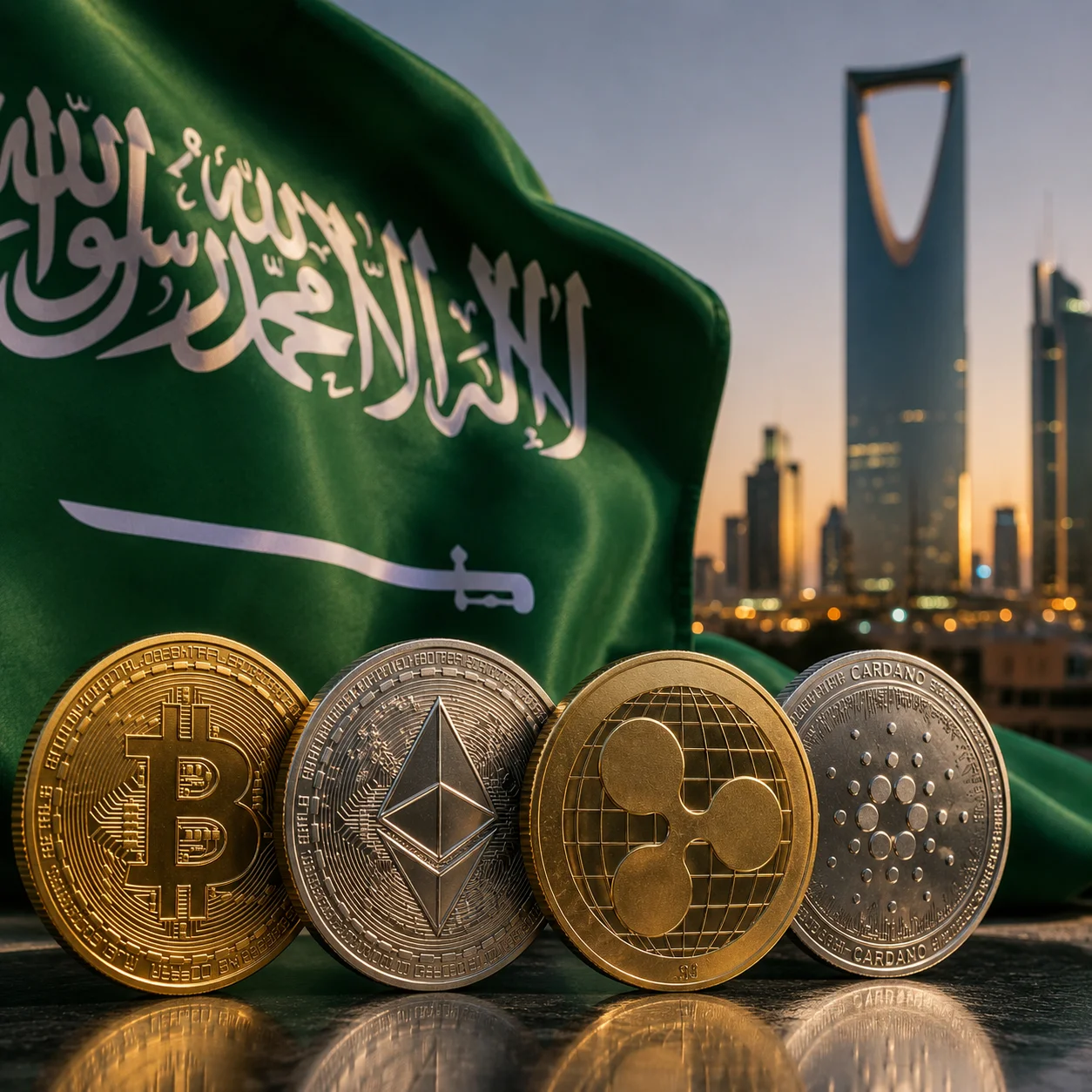
Pakistan’s economic landscape could be on the verge of a significant transformation as Saudi Arabia explores a series of large-scale investment opportunities across the country, including a proposed crypto and blockchain zone in Karachi.
The development comes amid growing economic cooperation between Islamabad and Riyadh, with both countries looking to deepen ties in technology, infrastructure, energy, finance, and maritime trade.
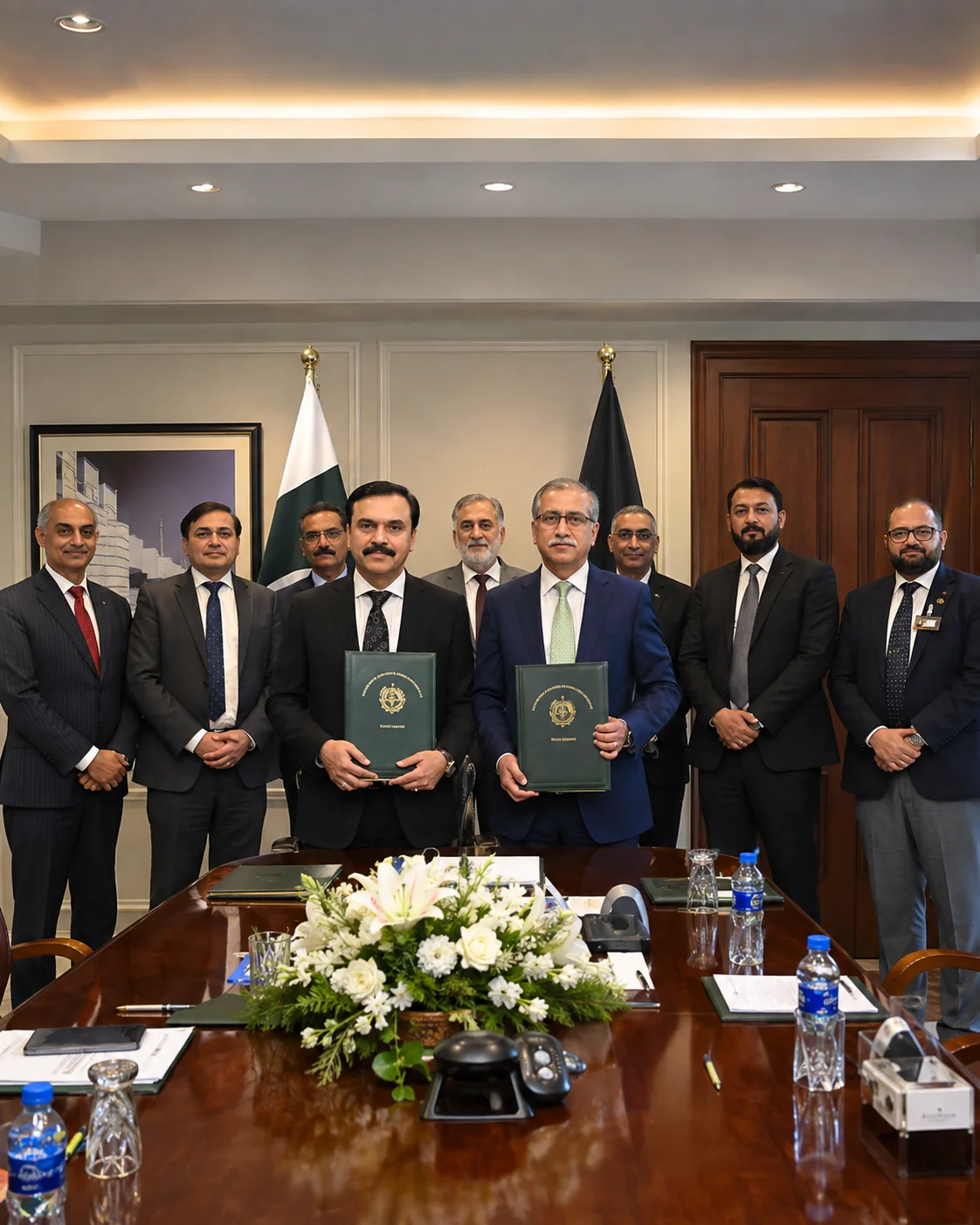
A recently signed Memorandum of Understanding (MoU) involving Pakistani and Saudi partners has sparked widespread interest among investors and business leaders. If implemented successfully, the project could reshape parts of Karachi’s waterfront while introducing new opportunities in emerging sectors such as blockchain technology, digital banking, smart logistics, and international trade.
But what exactly is being proposed?
And could this become one of Pakistan’s most ambitious economic development projects in recent years?
Let’s take a closer look.
A New Vision for Karachi’s Waterfront
Karachi has long served as Pakistan’s commercial heart, handling a major portion of the country’s international trade through its ports.
Now, officials are proposing a new chapter in the city’s development.
According to details released by the Ministry of Maritime Affairs, a 140-acre site owned by the Karachi Port Trust (KPT) on MT Khan Road has been identified for a major commercial and maritime development project.
The initiative is being explored through cooperation between Karachi Port Trust, Saudi business groups, Pakistani investors, and private sector partners.
The broader goal is to transform the waterfront area into a modern business district capable of attracting regional and international investment.
Officials believe the project could help position Karachi as a competitive economic hub connecting South Asia, the Middle East, and global markets.
The Proposal for a Crypto and Blockchain Zone
One of the most talked-about aspects of the proposed project is the idea of establishing a dedicated crypto and blockchain zone.
Over the past few years, blockchain technology has become one of the fastest-growing sectors in the global digital economy.
Governments around the world are increasingly exploring ways to regulate and integrate digital assets, blockchain solutions, and financial technology into their economies.
Pakistan has also shown growing interest in the sector.
The proposed zone could provide a dedicated environment for blockchain companies, fintech startups, digital asset businesses, technology firms, and innovation-focused enterprises.
Supporters believe such an initiative could attract foreign investment, create highly skilled jobs, encourage technology transfer, and position Pakistan as a participant in the rapidly expanding global digital economy.
For many young Pakistanis interested in technology and entrepreneurship, the proposal represents an exciting possibility.
Why Is Blockchain Receiving So Much Attention?
To understand the significance of this proposal, it is important to understand blockchain itself.
Blockchain is a digital ledger technology that records transactions securely and transparently across multiple systems.
While cryptocurrencies often receive the most public attention, blockchain technology has applications far beyond digital currencies.
Industries worldwide are using blockchain for:
- Financial services
- Supply chain management
- Digital identity verification
- Smart contracts
- Healthcare records
- Trade documentation
- Logistics management
Countries that establish supportive environments for blockchain innovation often attract technology companies looking for regulatory clarity and investment opportunities.
This is why the proposed Karachi blockchain zone has generated interest among both local and international observers.
Digital Banking Park Also Under Consideration
Alongside blockchain initiatives, Pakistan has proposed the creation of a digital banking park.
The banking industry is undergoing rapid digital transformation worldwide.
Traditional banking models are increasingly being supplemented by mobile banking platforms, fintech services, digital wallets, and online financial ecosystems.
A dedicated digital banking hub could help encourage innovation in financial services while supporting Pakistan’s efforts to expand financial inclusion.
For millions of Pakistanis who remain underserved by traditional banking systems, digital solutions may offer greater access to financial products and services.
The project could therefore have implications that extend well beyond technology alone.
Building a Modern Maritime Business District
The proposal goes far beyond digital technology.
A significant portion of the project focuses on maritime development and commercial infrastructure.
Pakistan has suggested the creation of a modern maritime business district that combines logistics, trade, finance, technology, and commercial activities in a single integrated area.
Plans being discussed include:
- Smart port integration systems
- Marine technology zones
- Logistics and shipping facilities
- Digital customs services
- Maritime software research and development centers
The objective is to improve efficiency while enhancing Karachi’s competitiveness as a regional maritime center.
With global trade increasingly dependent on advanced logistics networks, modernizing maritime infrastructure has become a priority for many countries.
Saudi Arabia’s Growing Interest in Pakistan
Saudi Arabia’s interest in Pakistan is not new.
The Kingdom has been one of Pakistan’s closest economic and strategic partners for decades.
However, recent years have seen increasing efforts to expand cooperation beyond traditional sectors.
Saudi investors have shown interest in energy, mining, infrastructure, tourism, logistics, and technology projects across Pakistan.
The latest discussions reflect Riyadh’s broader strategy of diversifying investments internationally while supporting long-term economic partnerships.
For Pakistan, attracting investment from major international partners remains a critical component of economic development efforts.
Gwadar’s Strategic Importance
The discussions are not limited to Karachi alone.
Reports indicate that Saudi Arabia is also studying opportunities related to Gwadar Port.
Gwadar occupies a strategic position near major international shipping routes and has long been viewed as a key component of Pakistan’s economic future.
Among the proposals under consideration is the establishment of an oil refinery at Gwadar.
Pakistan has also expressed interest in developing strategic oil reserves with Saudi cooperation.
If implemented, such projects could strengthen energy security while supporting industrial development and regional trade.
These initiatives would further expand the scope of economic cooperation between the two countries.
Healthcare, Education and Urban Development
One of the most interesting aspects of the proposal is its focus on social infrastructure.
Officials have suggested including:
- International-standard hospitals
- A medical university
- Maritime and trade law institutions
- Research centers
- Training facilities
The vision extends beyond commercial development.
It aims to create an ecosystem where education, healthcare, business, and technology support one another.
This integrated approach is increasingly common in major development projects around the world.
Rather than building isolated commercial zones, governments are seeking to create complete urban environments that attract businesses, residents, and investors simultaneously.
Luxury Hotels, Convention Centers and Corporate Hubs
The project also includes plans for large-scale commercial development.
Proposals reportedly include:
- Luxury hotels
- Corporate headquarters
- High-rise commercial towers
- Convention and exhibition centers
- Mixed-use real estate developments
Such facilities could help attract international conferences, business events, trade exhibitions, and foreign companies looking to establish a regional presence.
For Karachi, this could represent a significant step toward becoming a more globally connected business destination.
Could This Create New Jobs?
One of the biggest questions for ordinary Pakistanis is simple:
Will these investments create jobs?
Economic experts generally agree that large infrastructure and commercial projects have the potential to generate employment opportunities both directly and indirectly.
Construction activities alone can support thousands of jobs.
Long-term operations in sectors such as logistics, technology, finance, hospitality, healthcare, and education could create additional employment opportunities.
While exact figures have not been released, supporters believe the project could contribute significantly to job creation if implemented successfully.
For a country with a young and growing workforce, this aspect is particularly important.
Challenges That Must Be Addressed
Despite the optimism, challenges remain.
Large-scale investment projects often require:
- Regulatory approvals
- Legal clearances
- Infrastructure upgrades
- Financing arrangements
- Environmental assessments
- Long-term planning
Officials have emphasized that all legal and regulatory requirements under Pakistani law will be fulfilled before development proceeds.
Investors will likely seek transparency, policy stability, and clear implementation frameworks before committing significant resources.
The success of the project will therefore depend not only on vision but also on execution.
What Could This Mean for Pakistan’s Future?
The proposed crypto and blockchain zone is perhaps the most symbolic element of a much larger story.
It reflects Pakistan’s desire to participate in emerging technologies while modernizing key sectors of its economy.
Combined with maritime development, digital banking, healthcare, education, and infrastructure investments, the project represents a broader effort to position Pakistan for long-term economic growth.
If even a portion of the proposed initiatives move forward, Karachi could experience one of its most significant development phases in decades.
The city has historically been Pakistan’s economic engine.
These new plans could further strengthen that role in the years ahead.
Final Thoughts
The proposed Saudi-backed investment initiatives highlight growing confidence in Pakistan’s economic potential.
From blockchain technology and digital banking to maritime logistics and urban development, the plans envision a modern commercial ecosystem designed to attract investment and create opportunities.
While the projects remain in the planning and exploration stage, they have already generated significant interest among investors, policymakers, and business communities.
Whether Karachi ultimately becomes a major crypto, blockchain, and maritime hub will depend on future agreements, implementation strategies, and market conditions.
However, one thing is clear: the conversation about Pakistan’s digital and economic future is entering an exciting new phase.
Source:
Ministry of Maritime Affairs Pakistan, Karachi Port Trust (KPT), Saudi Business Council, investment discussions reported by Pakistani media and official government statements.
Our audience means everything to us.
Have feedback or suggestions to make us better? We’re always listening—feel free to get in touch with us at truthora2026@gmail.com





Leave a Comment