

Every Medicine to Get a Digital Identity as Pakistan Moves Toward a Safer Healthcare Future
Imagine walking into a pharmacy, purchasing a medicine, and instantly verifying whether it is genuine, safe, and approved by authorities simply by scanning a code on the package.
For millions of Pakistanis, that possibility is moving closer to reality.
In a landmark decision, Pakistan’s federal cabinet has approved the nationwide implementation of a Track and Trace System for pharmaceutical products. The move is being described as one of the most significant healthcare reforms in recent years, aimed at eliminating counterfeit medicines, improving transparency, and strengthening public trust in the country’s healthcare system.
The approval comes at a time when concerns over fake, substandard, and illegally distributed medicines continue to affect healthcare systems across many developing countries. Pakistan’s new digital framework seeks to address these challenges by ensuring that every medicine can be tracked from the factory to the consumer.
But what exactly is this new system, how will it work, and why is it being viewed as a game changer for Pakistan’s pharmaceutical industry?
Let’s take a closer look.
Why Is Pakistan Introducing a Track and Trace System?
Counterfeit medicines are not just a financial problem.
They are a public health threat.
Fake medicines can contain incorrect ingredients, lower dosages, harmful substances, or no active ingredients at all. Such products can delay treatment, worsen medical conditions, and in some cases even put lives at risk.
For years, regulators around the world have struggled to eliminate counterfeit medicines from supply chains. Criminal networks often exploit weaknesses in monitoring systems, making it difficult for authorities to identify fake products before they reach consumers.
Pakistan’s new Track and Trace System is designed to close those gaps.
The initiative aims to create a fully transparent pharmaceutical supply chain where medicines can be monitored at every stage of their journey.
From manufacturing plants and import channels to wholesalers, distributors, pharmacies, hospitals, and finally consumers, every movement of a medicine will become digitally visible.
A Historic Decision for Pakistan’s Healthcare Sector
Health Minister Mustafa Kamal described the approval as a historic step toward eliminating counterfeit, fake, and substandard medicines from the country. The federal cabinet also approved amendments to the Drug Labeling and Packing Rules to support the implementation of the new digital system.
According to government officials, this is the first time Pakistan will have a nationwide mechanism that allows medicines to be digitally traced and verified throughout the supply chain.
The decision signals a broader shift toward technology-driven regulation and stronger consumer protection.
Healthcare experts believe that introducing digital monitoring can significantly improve accountability within the pharmaceutical sector while reducing opportunities for illegal products to enter the market.
How Will the New System Work?
The core of the system is simple but powerful.
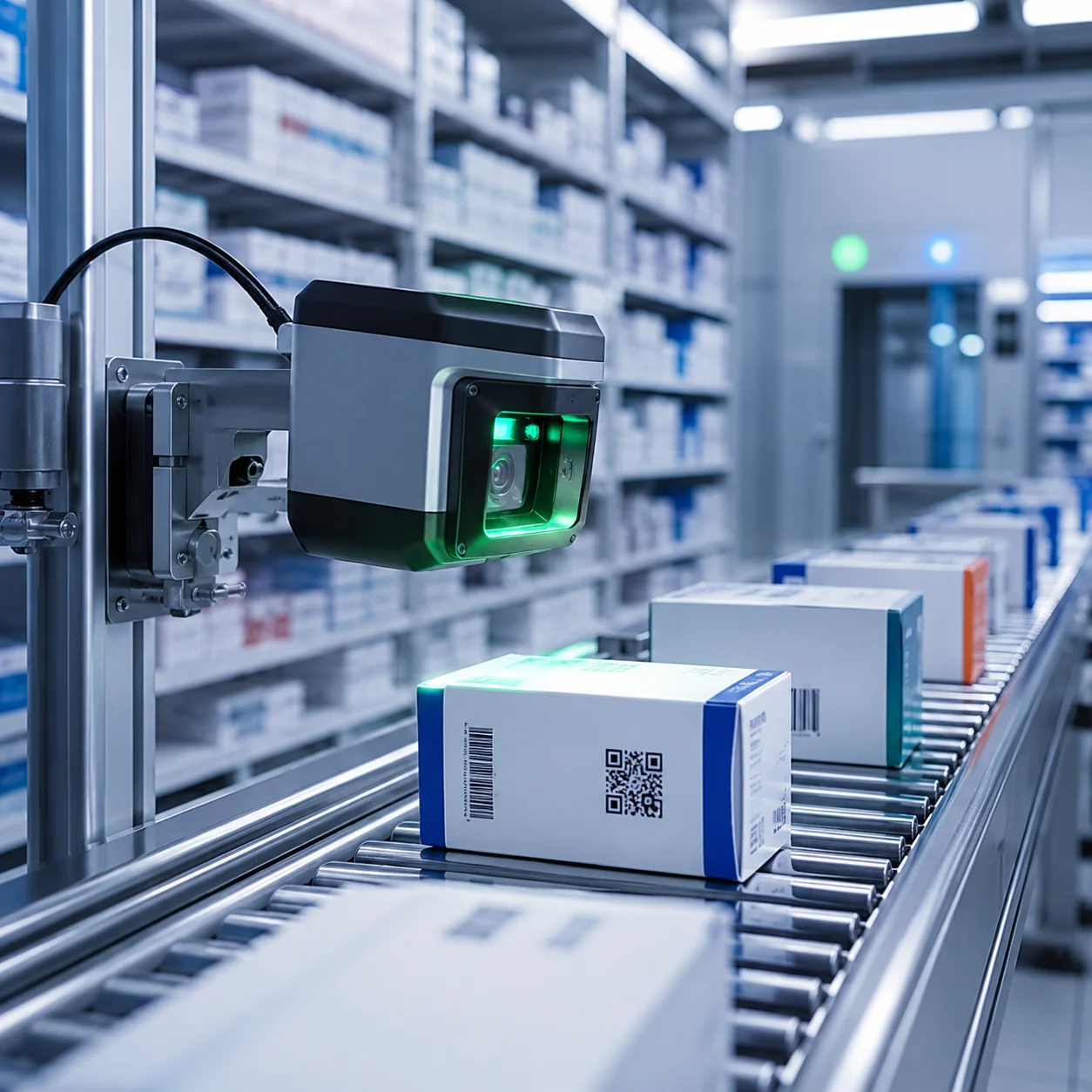
Every medicine package will carry a standardized 2D barcode along with unique serialization information. Pharmaceutical manufacturers and importers will be required to place these codes on medicine packaging before products enter the market.
These digital identifiers will act like a fingerprint for every medicine pack.
Whenever the product moves through the supply chain, the information can be scanned and verified.
Regulators will be able to monitor where medicines are manufactured, distributed, stored, sold, and consumed.
If a counterfeit product appears in the market, authorities will have a much greater ability to trace its origin and remove it quickly.
The system creates an additional layer of protection that simply does not exist under traditional paper-based monitoring methods.
What Does This Mean for Consumers?
For ordinary Pakistanis, the biggest benefit may be peace of mind.
One of the most important features of the Track and Trace System is consumer verification.
Once fully implemented, citizens will be able to verify critical information about medicines before using them.
This includes:
- Product authenticity
- Expiry dates
- Verification status
- Official pricing information
- Regulatory approval details
Instead of relying solely on packaging claims, consumers will have access to verified information backed by regulatory authorities.
This could dramatically improve public confidence in the medicines available across Pakistan.
The Reality Many Patients Face
Many people may not realize how difficult it can be to distinguish genuine medicines from counterfeit products.
In many cases, fake medicines look almost identical to authentic ones.
The packaging may appear professional. The branding may seem genuine. Even pharmacists can sometimes struggle to identify suspicious products without proper verification tools.
This is why experts often argue that technology is one of the most effective weapons against counterfeit pharmaceuticals.
Instead of relying on visual inspections alone, digital verification allows every product to be checked against official records.
For patients dealing with serious illnesses, this extra layer of protection can be invaluable.
DRAP to Lead the Nationwide Rollout
The Drug Regulatory Authority of Pakistan (DRAP) will oversee the implementation of the Track and Trace System across the country.
The authority will also issue technical guidelines to help pharmaceutical companies comply with the new requirements.
According to officials, consultations with industry stakeholders have already taken place to ensure a smoother transition.
The government’s approach appears focused on collaboration rather than disruption.
By engaging manufacturers, importers, distributors, and healthcare providers early in the process, authorities hope to accelerate adoption while minimizing operational challenges.
How Will Pharmaceutical Companies Be Affected?
For pharmaceutical manufacturers and importers, the new regulations will require technological upgrades.
Companies will need systems capable of generating unique serial numbers, printing compliant 2D barcodes, storing product information, and sharing relevant data with regulatory authorities.
While these changes may involve investment, many industry experts believe the long-term benefits outweigh the costs.
Improved product security can strengthen brand reputation, reduce losses from counterfeit activity, and improve overall market confidence.
Companies that invest early in compliance may also gain competitive advantages as the industry becomes increasingly digitized.
Learning from Global Success Stories
Pakistan is not the first country to introduce pharmaceutical traceability systems.
Several developed and emerging economies have implemented similar solutions over the past decade.
Countries across Europe, North America, Asia, and the Middle East now use digital tracking technologies to monitor medicines and protect consumers.
These systems have helped reduce counterfeit activity, improve recalls, strengthen regulatory oversight, and enhance supply chain visibility.
By adopting similar practices, Pakistan is aligning itself with international healthcare standards and modern regulatory trends.
Could This Transform Pakistan’s Pharmaceutical Industry?
Many experts believe the answer is yes.
The pharmaceutical sector is one of Pakistan’s most important industries, serving millions of patients and contributing significantly to economic activity.
However, trust remains a critical factor.
A stronger regulatory framework can encourage investment, support exports, improve compliance, and enhance the reputation of Pakistan’s pharmaceutical products both domestically and internationally.
As transparency increases, consumers may become more confident in purchasing locally manufactured medicines.
That confidence can benefit patients, healthcare providers, manufacturers, and regulators alike.
Challenges That Still Need Attention
While the Track and Trace System offers enormous potential, implementation will not be without challenges.
Questions remain about:
- Industry readiness
- Technological infrastructure
- Data management
- Compliance costs
- Public awareness
- Training requirements
Successful implementation will require coordination between government agencies, pharmaceutical companies, healthcare institutions, and pharmacies.
The effectiveness of the system will ultimately depend not only on technology but also on consistent enforcement and widespread participation.
A New Chapter for Healthcare in Pakistan
The approval of Pakistan’s nationwide Track and Trace System represents more than a regulatory update.
It reflects a broader vision for a modern healthcare ecosystem where transparency, accountability, and patient safety are placed at the center of decision-making.
For years, concerns about counterfeit medicines have challenged healthcare systems around the world. Pakistan’s decision to embrace digital verification technology demonstrates a commitment to addressing those concerns through innovation rather than traditional oversight alone.
If implemented successfully, the initiative could become one of the most important healthcare reforms in recent years.
For consumers, it means greater confidence.
For regulators, it means stronger oversight.
For the pharmaceutical industry, it means higher standards.
And for Pakistan’s healthcare future, it may mark the beginning of a safer, smarter, and more transparent era.
Source:
Dawn, The News International, Business Recorder, Pakistan Today, Daily Times, Pakistan Point, Government of Pakistan Press Information Department (PID), and Drug Regulatory Authority of Pakistan (DRAP).
Our audience means everything to us.
Have feedback or suggestions to make us better? We’re always listening—feel free to get in touch with us at truthora2026@gmail.com







Leave a Comment