

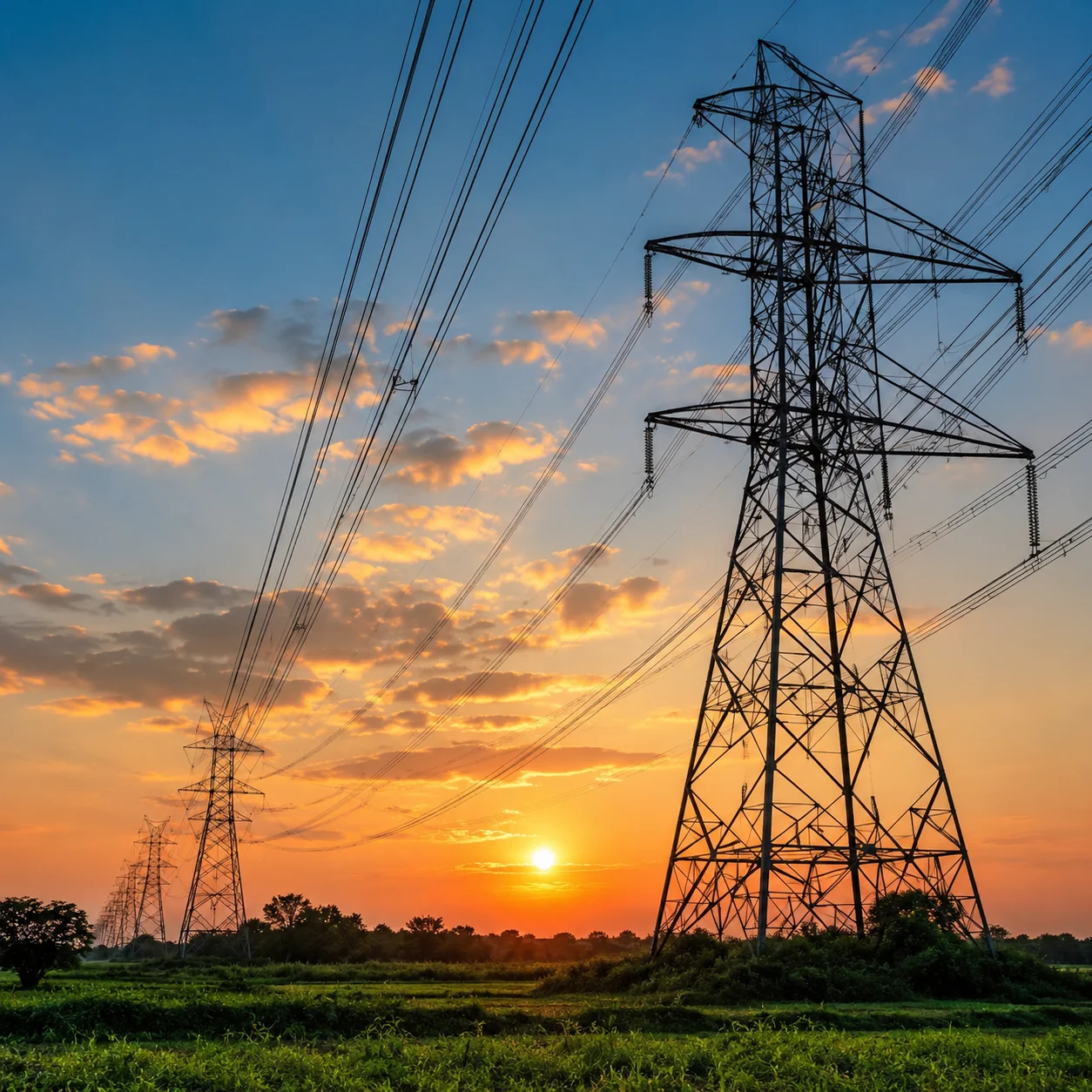
For millions of Pakistanis struggling with rising household expenses, there may finally be some welcome relief on electricity bills.
The National Electric Power Regulatory Authority (Nepra) has announced a series of tariff adjustments that are expected to reduce the financial burden on consumers over the next three months. While an increase in fuel cost adjustment (FCA) will appear in June bills, a larger reduction under the quarterly tariff adjustment (QTA) is set to provide overall savings for electricity users across the country.
The combined impact of these decisions is expected to result in a net relief of around Rs56 billion for consumers between June and August 2026.
At a time when inflation continues to affect household budgets and businesses are carefully managing operating costs, the announcement has generated significant interest among consumers who are eager to understand how these changes will affect their monthly electricity bills.
So, what exactly has changed? Who will benefit? And how much relief can consumers expect in the coming months?
Let’s break it down.
Nepra Announces New Electricity Tariff Adjustments
Nepra has issued two separate notifications that will affect electricity charges during the summer months.
The first notification relates to the Fuel Cost Adjustment (FCA) for April 2026, while the second concerns the Quarterly Tariff Adjustment (QTA) for the period between January and March 2026.
Together, these adjustments will determine how much consumers pay for electricity from June through August.
The interesting aspect of this announcement is that one adjustment increases rates while the other decreases them. However, the reduction is larger than the increase, resulting in a net benefit for consumers.
Why Are Electricity Bills Being Adjusted?
Many consumers often wonder why electricity tariffs change so frequently.
The answer lies in the structure of Pakistan’s power sector.
Electricity prices are not based solely on the cost of producing power. They also depend on several other factors, including:
- Fuel prices
- Capacity payments
- Transmission costs
- Distribution losses
- Market operator charges
- Exchange rate fluctuations
- Government policy measures
As these factors change, regulatory authorities review costs and make adjustments to ensure that power companies recover legitimate expenses while consumers receive any savings generated by lower costs.
This process is carried out through mechanisms such as FCA and QTA.
What Is Fuel Cost Adjustment (FCA)?
Fuel Cost Adjustment is a monthly mechanism that reflects changes in fuel prices used for electricity generation.
If fuel costs increase, consumers pay more.
If fuel costs decrease, consumers receive relief.
For April 2026, power distribution companies requested an increase of approximately Rs1.74 per unit, seeking to recover nearly Rs16 billion from consumers.
However, Nepra reviewed the request and approved a lower increase of Rs1.19 per unit instead.
As a result, consumers will see this additional charge reflected in their June electricity bills.
According to official estimates, this FCA will generate around Rs11 billion for power distribution companies.
What Is Quarterly Tariff Adjustment (QTA)?
Unlike FCA, which is reviewed monthly, the Quarterly Tariff Adjustment covers a longer period.
The latest QTA relates to the first quarter of calendar year 2026, covering January through March.
After evaluating various components of the electricity tariff structure, Nepra approved a reduction of Rs1.99 per unit.
This reduction will remain effective for three months:
- June 2026
- July 2026
- August 2026
The financial impact of this reduction is estimated at approximately Rs67 billion.
For consumers, this represents a much larger adjustment than the FCA increase, which is why the overall result is positive.
How Much Relief Will Consumers Actually Receive?
This is perhaps the most important question for households across Pakistan.
Let’s simplify the calculation.
June 2026
Consumers will face:
- Rs1.19 per unit increase through FCA
- Rs1.99 per unit reduction through QTA
Net impact:
Approximately 80 paisa per unit reduction
This means electricity users will still benefit overall despite the FCA increase.
July and August 2026
During these months, only the QTA relief will continue.
Consumers will receive:
Rs1.99 per unit reduction
This could result in noticeable savings, particularly for households and businesses with higher electricity consumption during the peak summer season.
Who Will Benefit From the Tariff Reduction?
The majority of electricity consumers are expected to benefit.
However, certain categories have been excluded from the adjustment.
According to Nepra’s notification, the reduction will generally apply to:
- Domestic consumers
- Commercial consumers
- Industrial consumers
- Agricultural consumers
- Most other regular electricity users
However, some categories are exempt.
These include:
- Lifeline consumers
- Certain prepaid electricity consumers
- Electric Vehicle Charging Stations (EVCS)
- Units billed under specific incremental consumption packages
Consumers should therefore carefully review their upcoming bills to determine how the adjustments apply to their category.
Why Did Nepra Approve the Reduction?
Several factors contributed to the decrease in electricity tariffs.
Lower Capacity Charge Adjustments
One major reason was the revision of capacity-related costs within the power sector.
Capacity payments are made to power producers to ensure electricity generation capacity remains available, even when power plants are not operating at full output.
Adjustments in these charges helped create savings.
Transmission Cost Revisions
Changes in transmission-related expenses also contributed to lower overall tariff requirements.
Improvements in efficiency and updated cost calculations played a role in reducing charges.
Market Operator Fee Adjustments
Nepra’s review also included adjustments related to market operator fees, resulting in additional reductions.
Government Support Measures
Government initiatives aimed at supporting industrial and agricultural consumers have also influenced tariff calculations.
These policies continue to shape the broader energy pricing framework.
Why This Relief Matters for Pakistani Households
Electricity costs remain one of the biggest monthly expenses for many families.
During the summer season, usage typically increases significantly due to:
- Air conditioners
- Fans
- Refrigerators
- Water pumps
- Cooling appliances
For middle-income households, even a small reduction in per-unit electricity charges can make a meaningful difference.
Consider a household consuming 500 units per month.
A reduction of Rs1.99 per unit could translate into savings of nearly Rs1,000 every month.
For larger households and businesses, the benefit could be even greater.
At a time when families continue to manage inflationary pressures, such savings are likely to be welcomed.
Can Electricity Prices Continue Falling?
This is the question many consumers are now asking.
The reality is more complicated.
Electricity tariffs depend on multiple variables, many of which are beyond the control of regulators.
Future prices will depend on:
Global Fuel Prices
International oil, gas, and coal prices remain important factors.
Any increase in fuel costs could influence future FCA calculations.
Exchange Rate Stability
Since many energy-related payments involve foreign currency obligations, exchange rate fluctuations can affect electricity pricing.
Power Sector Reforms
Ongoing reforms aimed at reducing circular debt and improving efficiency could create opportunities for additional savings in the future.
Renewable Energy Expansion
Pakistan’s growing focus on solar and renewable energy may also help reduce long-term dependence on expensive imported fuels.
However, experts caution that electricity tariffs are likely to remain subject to periodic adjustments.
A Positive Development Amid Economic Challenges
The latest tariff announcement comes at a time when many Pakistanis are looking for signs of economic relief.
While the reduction may not solve all energy-related challenges, it represents a positive step for consumers during a period of financial pressure.
The estimated Rs56 billion net relief demonstrates the impact that regulatory adjustments can have on household and business finances.
For consumers facing higher costs in other areas of life, any reduction in utility expenses is likely to be appreciated.
Final Thoughts
The National Electric Power Regulatory Authority’s latest tariff adjustments are expected to provide meaningful relief to electricity consumers across Pakistan over the next three months.
Although June bills will include a Rs1.19 per unit fuel cost adjustment, the larger Rs1.99 per unit quarterly tariff reduction means consumers will still benefit overall.
The result is a net relief package worth approximately Rs56 billion, with reduced electricity rates expected to remain in place through August 2026.
For millions of households and businesses, the announcement offers a rare piece of positive news at a time when managing monthly expenses remains a challenge.
As summer electricity consumption rises, many consumers will now be watching their upcoming bills closely to see exactly how much they save.
Source:
National Electric Power Regulatory Authority (Nepra), Dawn, Business Recorder, The News International, Express Tribune.
Our audience means everything to us.
Have feedback or suggestions to make us better? We’re always listening—feel free to get in touch with us at truthora2026@gmail.com





Leave a Comment