

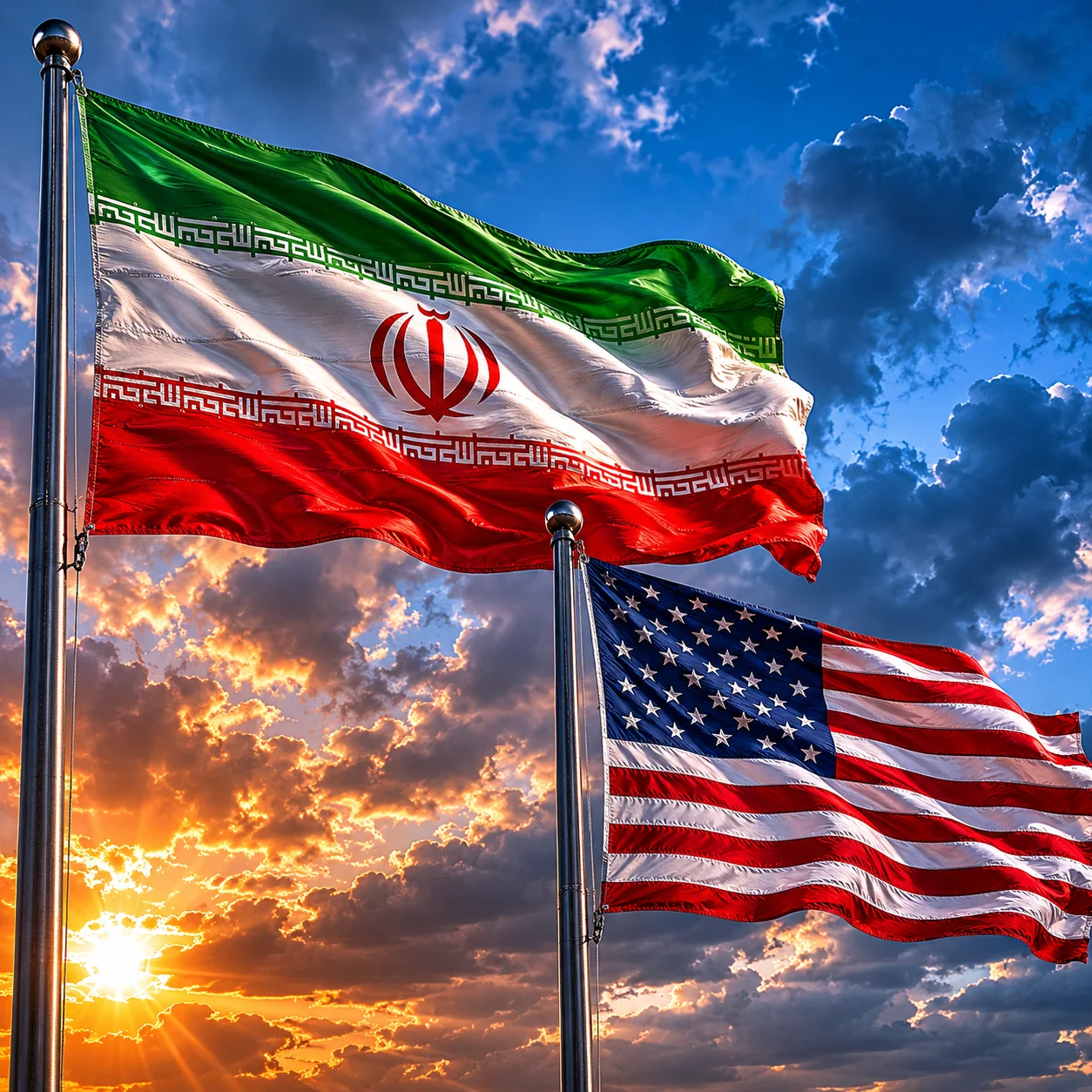
Regional Security Concerns Grow Amid New Military Developments
The Middle East remains on edge following reports of fresh military developments involving Iran, the United States, and Gulf nations. The latest incidents have added another layer of uncertainty to an already complex regional situation, drawing attention from governments, investors, and global energy markets.
According to official statements, missiles launched toward Gulf countries were intercepted or failed to reach their intended destinations. The developments were followed by military responses and renewed diplomatic discussions, highlighting the fragile security environment across the region.
At the same time, Iran continues to face significant economic challenges, with rising inflation and growing concerns about the impact on ordinary citizens. As political and economic pressures converge, analysts say the coming months could prove crucial for regional stability.
Missile Incidents Raise Regional Concerns
Security tensions increased after reports emerged that missiles were launched toward Gulf states. Officials stated that some projectiles failed during flight while others were intercepted before reaching their targets.
The incidents immediately raised concerns about regional security, particularly in an area that plays a vital role in global energy supplies and international trade.
Military authorities said defensive measures were activated to prevent damage and ensure public safety. Such incidents often trigger heightened security alerts across neighboring countries, given the strategic importance of Gulf infrastructure and shipping routes.
Strait of Hormuz Remains in Focus
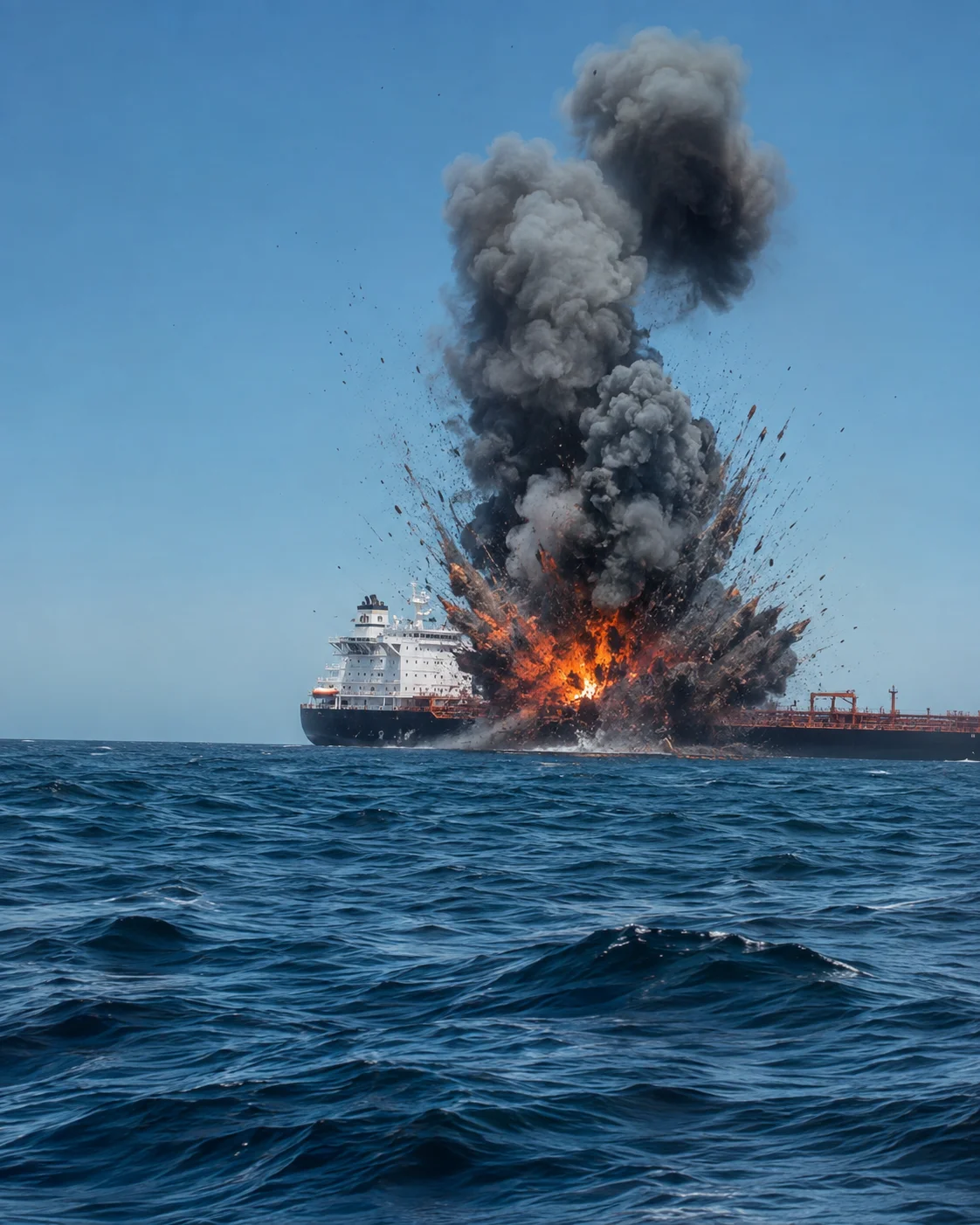
Much of the world’s attention continues to center on the Strait of Hormuz, one of the most important maritime corridors on the planet.
The narrow waterway serves as a key route for global oil and natural gas shipments. A significant portion of the world’s energy supply passes through the strait, making stability in the region a matter of international concern.
Any increase in tensions near the Strait of Hormuz can influence global energy prices, shipping costs, and investor sentiment.
Economists frequently note that uncertainty in the Gulf often extends beyond the region itself, affecting markets across Asia, Europe, and North America.
Diplomatic Efforts Continue Despite Tensions
While military developments have dominated headlines, diplomatic channels remain active.
Officials from various countries continue efforts to reduce tensions and encourage dialogue. Although public statements from different sides have sometimes appeared contradictory, diplomatic engagement remains an important part of managing regional disputes.
Analysts believe that communication between parties is essential to prevent misunderstandings that could lead to wider confrontation.
History has shown that diplomacy often continues behind the scenes even during periods of heightened political and military tension.
Why the Middle East Matters to the Global Economy
Events in the Gulf region rarely remain local issues.
The Middle East occupies a strategic position in the global economy because of its role in energy production, international trade routes, and geopolitical influence.
When tensions rise, businesses around the world often pay close attention to developments.
Potential consequences may include:
- Higher energy prices
- Increased shipping costs
- Market volatility
- Investment uncertainty
- Supply chain disruptions
For countries heavily dependent on imported energy, stability in the Gulf remains particularly important.
Iran’s Economy Under Growing Pressure
Alongside geopolitical developments, economic challenges continue to dominate discussions inside Iran.
Reports indicate that inflation remains one of the country’s most pressing concerns. Rising prices have affected households, businesses, and consumer spending power.
Inflation impacts nearly every aspect of daily life, from food and transportation to healthcare and housing costs.
Economic experts often point out that prolonged inflation can weaken purchasing power and create additional pressure on families already managing tight budgets.
How Inflation Affects Everyday Citizens
For many ordinary citizens, economic conditions matter more than political headlines.
When inflation rises, the cost of basic necessities often increases as well.
Families may find themselves spending more on:
- Food items
- Transportation
- Utility bills
- Healthcare
- Education
- Housing expenses
As a result, economic stability becomes a major concern for both policymakers and the public.
Many governments facing inflation challenges must balance efforts to control prices while supporting economic growth and employment.
The Relationship Between Politics and Economics
The latest developments demonstrate how closely politics and economics are connected.
Military tensions can affect investor confidence. Economic difficulties can influence political decision-making. Diplomatic negotiations often have financial implications as well.
This interconnected reality means that developments in one area frequently affect others.
For example:
- Political uncertainty may discourage investment.
- Economic challenges can increase public dissatisfaction.
- Security concerns may affect trade and tourism.
- Diplomatic breakthroughs can improve business confidence.
Understanding these connections is essential when analyzing regional events.
What Are Analysts Watching Next?
Experts say several key factors will shape future developments.
These include:
Diplomatic Progress
Observers continue monitoring negotiations and communication efforts aimed at reducing tensions.
Regional Security
Military activity and security developments remain important indicators of overall stability.
Economic Indicators
Inflation, currency performance, and economic growth figures will provide insight into broader economic conditions.
Energy Markets
Oil and natural gas prices often react quickly to developments in the Gulf region.
Public Sentiment
Economic conditions frequently influence public opinion and social stability.
The Human Side of the Story
Behind every political headline are millions of people whose daily lives are affected by events beyond their control.
Business owners worry about economic uncertainty. Families struggle with rising prices. Workers hope for stable employment opportunities.
While geopolitical developments often dominate news coverage, their real-world impact is ultimately measured by how they affect ordinary citizens.
This human dimension remains one of the most important aspects of any economic or political story.
Looking Ahead
The Middle East continues to navigate a complex period marked by security concerns, economic challenges, and ongoing diplomatic efforts.
Recent developments have once again highlighted the importance of stability in a region that plays a critical role in global affairs.
While uncertainty remains, policymakers, businesses, and citizens across the world will continue watching closely for signs of progress, de-escalation, and economic recovery.
The coming weeks may provide important clues about whether tensions ease through diplomacy or whether further challenges emerge.
For now, one reality remains clear: events in the Gulf region continue to have consequences that extend far beyond its borders.
Source:
Based on information provided in the original report, official statements, and international media coverage.
Our audience means everything to us.
Have feedback or suggestions to make us better? We’re always listening—feel free to get in touch with us at truthora2026@gmail.com


Leave a Comment