

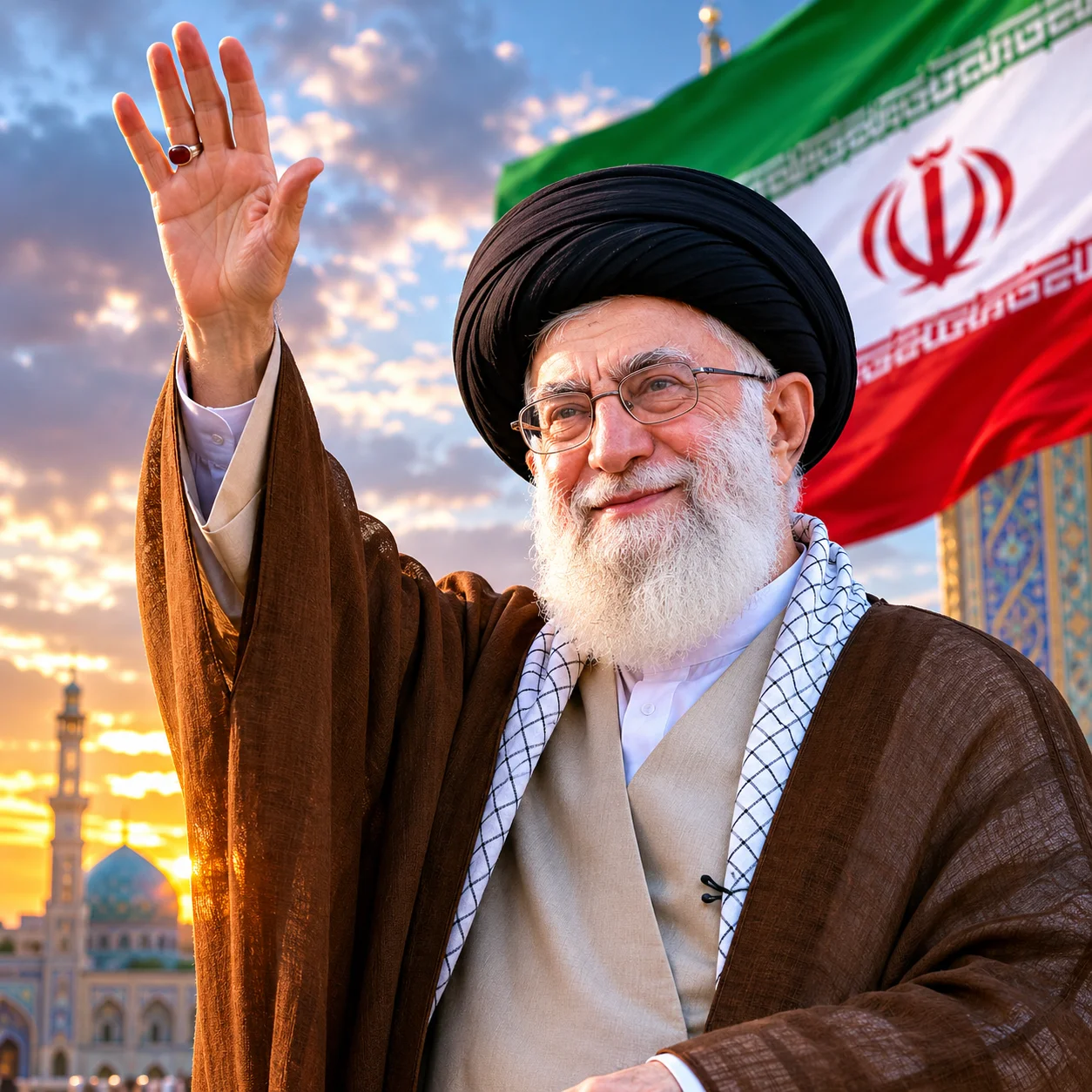
Funeral Ceremonies Expected to Draw Millions Across Multiple Cities
Iran is preparing for one of the most significant state ceremonies in its modern history as officials finalize arrangements for the funeral of former Supreme Leader Ayatollah Ali Khamenei. Authorities have indicated that the funeral is likely to take place later this month, with large-scale public ceremonies expected in Tehran, Qom, and Mashhad. Reports suggest that preparations are being expanded to accommodate what could become one of the largest public gatherings in the country’s history.
The announcement has attracted global attention, not only because of Khamenei’s decades-long influence on Iran’s political and religious landscape, but also because the funeral comes at a time when the region continues to experience major geopolitical changes.
As discussions continue over the final schedule, many questions remain. Why has the funeral been delayed? What will the ceremonies look like? And what does this moment mean for Iran’s future?
Why Is This Funeral Receiving Worldwide Attention?
Ayatollah Ali Khamenei was one of the most influential figures in the Middle East for more than three decades. As Iran’s Supreme Leader from 1989 until his death in 2026, he played a central role in shaping the country’s domestic policies, regional alliances, military strategy, and international relations.
His leadership extended beyond politics. For many supporters, he represented a symbol of continuity within the Islamic Republic. For critics, he was one of the defining figures behind Iran’s political and security system.
Because of this influence, the funeral is expected to become more than a ceremonial event. It is likely to be viewed as a historic national moment that reflects both Iran’s past and its future direction.
Why Was the Funeral Delayed?
Initially, funeral arrangements were expected to take place earlier this year. However, ongoing security concerns and regional instability led authorities to postpone the event.
Iranian officials have now indicated that additional time is being allocated to ensure proper organization and security. Reports suggest authorities are expecting exceptionally large crowds, requiring extensive logistical planning before the ceremonies can proceed.
According to officials involved in preparations, organizers want to ensure that public participation can take place safely while maintaining order during the large-scale events expected across multiple cities.
Three Cities Set to Play a Major Role
One of the most notable aspects of the funeral plans is the decision to hold ceremonies in three of Iran’s most important religious and political centers.
Tehran: The Heart of the Farewell
The capital city is expected to host the main public ceremonies.
Officials have reportedly allocated three days for public mourning and farewell events. The Tehran procession itself could last more than 24 hours as large numbers of mourners gather to pay their respects.
Authorities are preparing transportation, security arrangements, and public services to accommodate visitors arriving from across the country.
Qom: Iran’s Religious Center
Following events in Tehran, the funeral procession is expected to continue in Qom.
Known as Iran’s most important center of Shia religious scholarship, Qom holds deep symbolic significance within the country’s religious establishment. Holding ceremonies there reflects Khamenei’s longstanding connection to Iran’s clerical institutions.
Mashhad: Final Resting Place
The final stage of the funeral is expected to take place in Mashhad, Khamenei’s birthplace.
Officials have stated that he will be buried near the shrine of Imam Reza, one of the holiest sites in Shia Islam, in accordance with his wishes. Mashhad is already one of the most visited religious destinations in the Muslim world, making it a highly symbolic location for the burial.
The Challenge of Managing Millions
Large state funerals are never simple, but Iran’s authorities may be facing an unprecedented challenge.
Some reports indicate officials are preparing for attendance that could reach into the millions. Organizers are reportedly coordinating transportation networks, public facilities, crowd management systems, and emergency services across multiple cities.
The Revolutionary Guards are expected to oversee overall coordination, while local authorities will manage logistics and public services.
Managing such a large event requires careful planning, especially given the regional tensions and security concerns that continue to affect the broader Middle East.
A Historic Moment for Iran
Funerals of major national leaders often become defining moments in a country’s history.
For many Iranians, the upcoming ceremonies represent an opportunity to reflect on decades of political, social, and religious transformation. For younger generations, it marks the closing of a chapter that shaped much of modern Iran’s identity.
Political observers note that state funerals frequently serve as moments of national reflection, allowing citizens to consider both the achievements and controversies associated with influential leaders.
In Khamenei’s case, opinions differ significantly, both within Iran and internationally. Nevertheless, few would dispute his importance in shaping regional events over the past several decades.
What Happens After the Funeral?
Beyond the ceremonies themselves, attention is increasingly turning toward Iran’s future.
Leadership transitions are among the most significant events any nation can experience. Such moments often bring renewed discussions about policy priorities, governance, economic development, foreign relations, and social change.
While funeral ceremonies focus on honoring the past, they also naturally raise questions about what lies ahead.
Analysts around the world will be watching closely to see how Iran navigates this period and what direction the country’s leadership chooses in the years ahead.
The Emotional Significance of Public Farewell
Funerals are not only political events. They are deeply personal moments for many people.
For supporters, the ceremonies provide an opportunity to express grief, respect, and remembrance. For families and communities, public mourning allows collective emotions to be shared.
This is particularly true when a leader has remained at the center of national life for decades.
The planned three-day farewell reflects the importance that Iranian authorities place on allowing citizens sufficient time to participate in the commemorations.
Why This Event Matters Beyond Iran
The significance of the funeral extends far beyond Iran’s borders.
Throughout his leadership, Khamenei played a major role in shaping regional politics and international relations. His decisions influenced developments across the Middle East and affected diplomatic discussions involving major global powers.
As a result, governments, analysts, and observers worldwide are paying close attention to the upcoming ceremonies and their broader implications.
The event is expected to attract extensive international media coverage and may become one of the most closely watched global stories of the month.
Looking Ahead
As preparations continue, Iranian authorities remain focused on organizing what is expected to be a large and highly symbolic national event.
With ceremonies planned in Tehran, Qom, and Mashhad, millions may have the opportunity to participate in the farewell process. The final schedule is still being refined, but officials have indicated that the event will likely take place before the end of the current Iranian month of Khordad, which concludes on June 21.
Whether viewed through a political, historical, religious, or human lens, the funeral of Ayatollah Ali Khamenei is poised to become one of the defining events of 2026.
For Iran, it marks the end of an era. For the wider region, it is a moment that could influence discussions about leadership, stability, and the future of the Middle East for years to come.
Source:
AFP, Dawn, Anadolu Agency, CGTN, Iran International, Tasnim News Agency.
Our audience means everything to us.
Have feedback or suggestions to make us better? We’re always listening—feel free to get in touch with us at truthora2026@gmail.com


Leave a Comment