

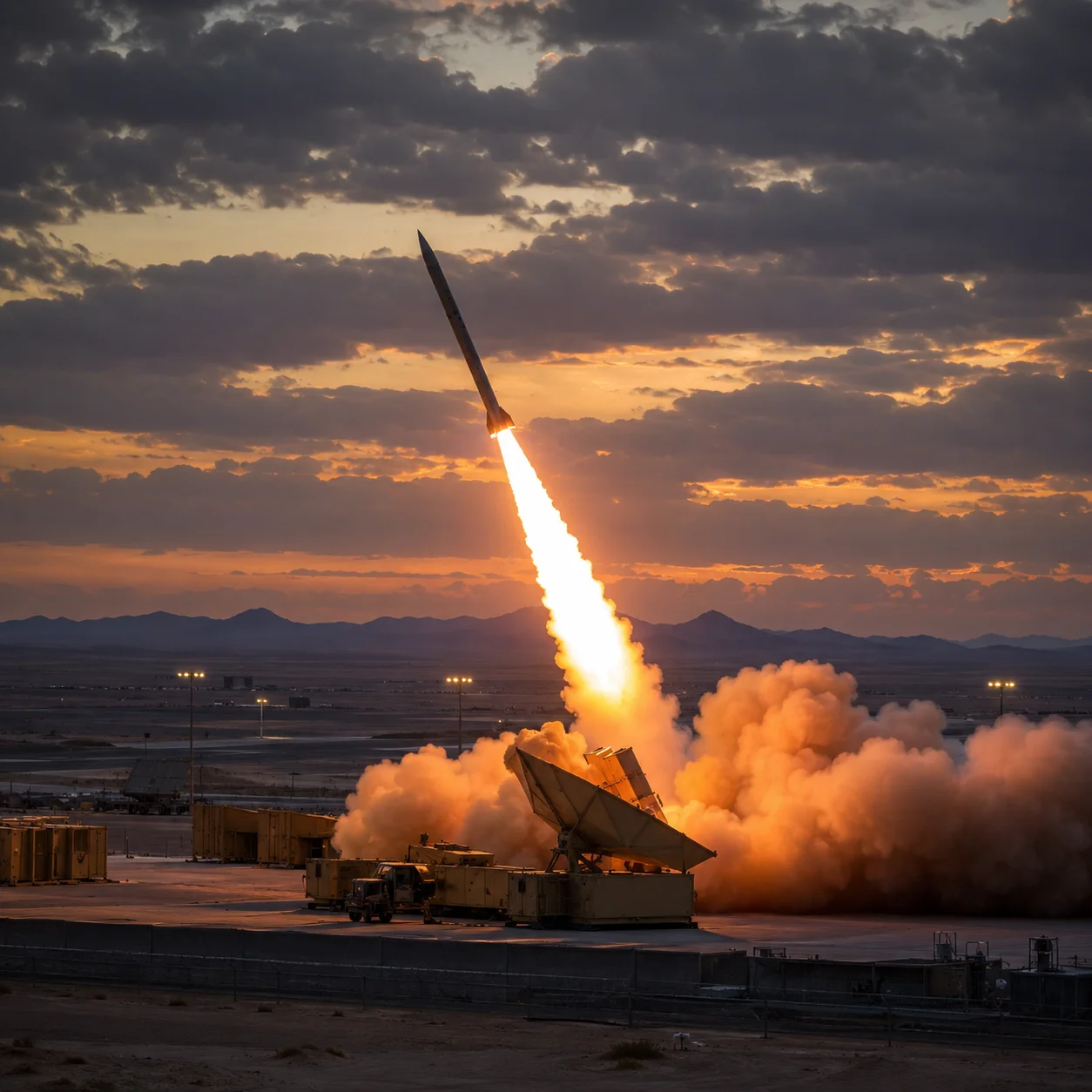
Gulf Crisis Deepens as Fresh Strikes Shake Regional Stability
A fresh wave of military confrontations between Iran and the United States has pushed the Middle East into another period of uncertainty, with Kuwait unexpectedly finding itself at the center of a rapidly expanding regional crisis.
The latest developments began with reports of Iranian missile and drone attacks that struck facilities linked to Kuwait International Airport, causing damage, disrupting flights, and injuring several people. The incident unfolded against the backdrop of an already fragile ceasefire between Washington and Tehran, further fueling concerns that the conflict could spiral into a wider regional confrontation.
For many observers, one key question now dominates discussions:
Is the Middle East moving closer to a broader conflict, or can diplomacy still prevent further escalation?
What Happened at Kuwait International Airport?
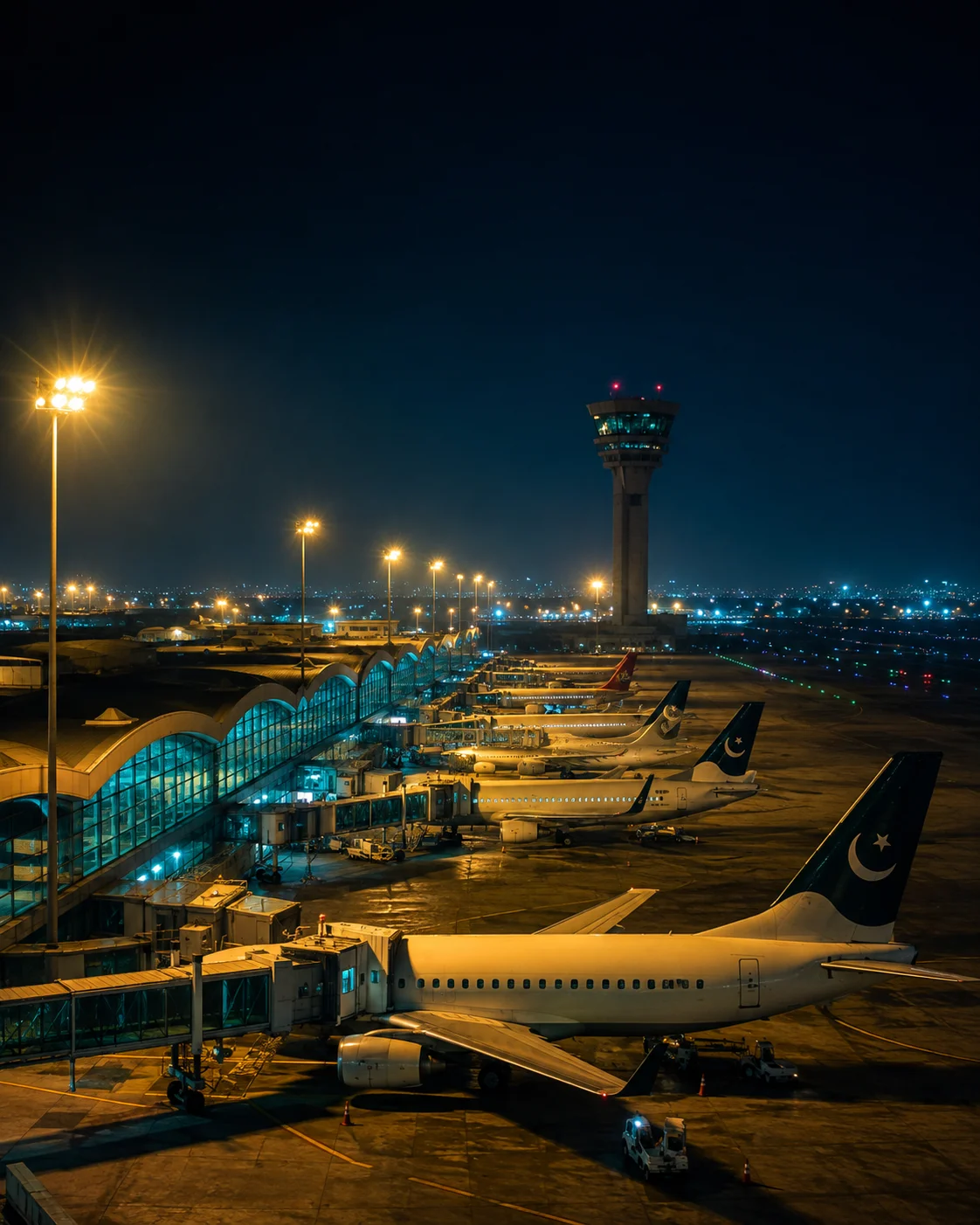
According to Kuwaiti authorities, a strike hit Terminal 1 of Kuwait International Airport, causing significant structural damage and forcing officials to temporarily suspend and divert flights. Several people were reportedly injured during the incident, while airport operations were partially disrupted before some services resumed later.
Officials described the attack as one of the most serious security incidents to affect Kuwait in recent months.
The airport serves as one of the Gulf region’s most important transportation hubs, connecting travelers and businesses across Asia, Europe, and the Middle East. Any disruption at such a critical facility immediately attracts international attention.
The attack also sparked concerns about civilian infrastructure becoming increasingly vulnerable as regional tensions continue to rise.
Why Did the Situation Escalate?
The latest confrontation did not occur in isolation.
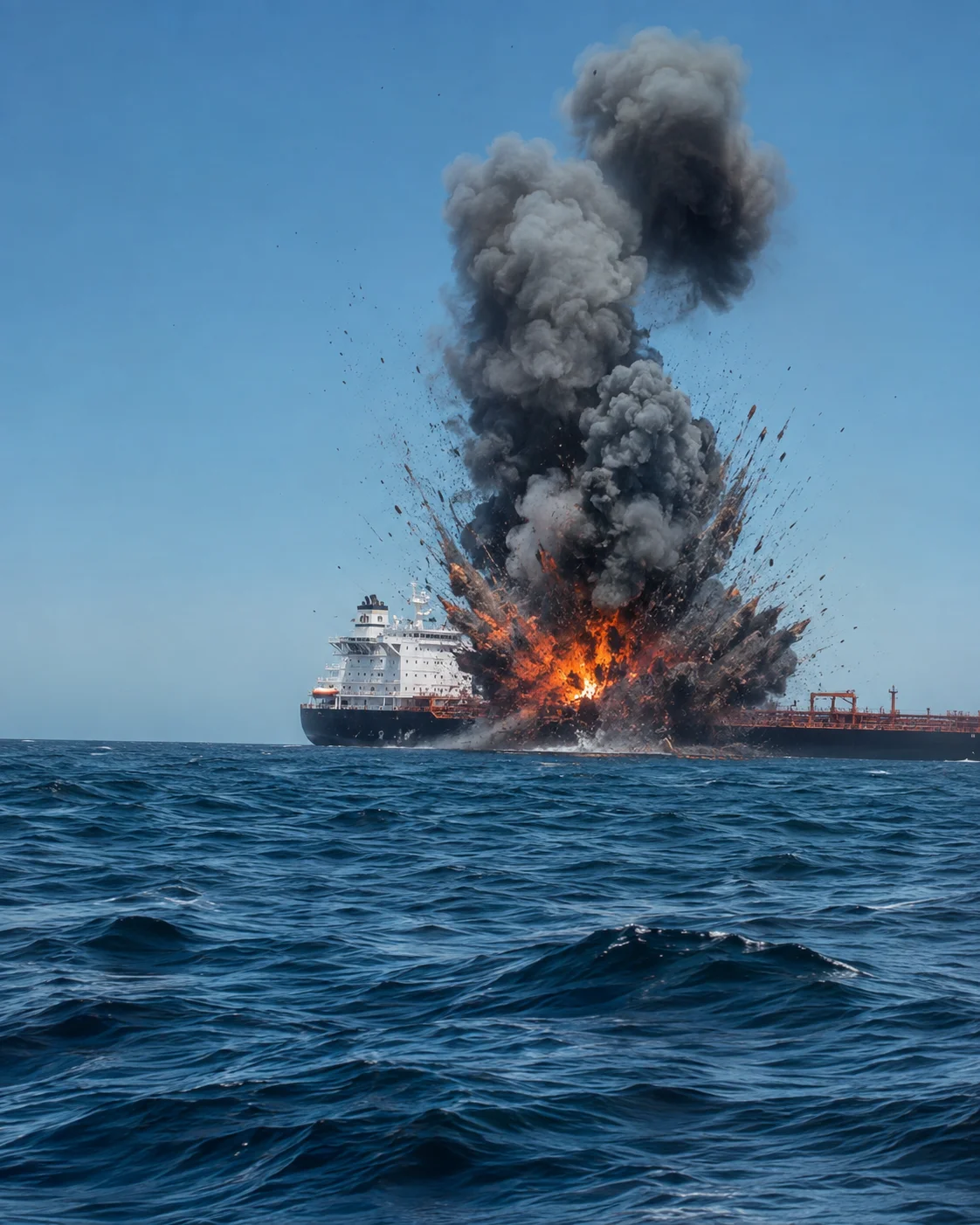
The escalation followed military actions in and around the Strait of Hormuz, one of the world’s most strategically important waterways.
According to reports, US forces targeted a vessel that American officials claimed was attempting to breach maritime restrictions linked to the ongoing conflict. Washington later announced additional military actions against Iranian positions on Qeshm Island, a strategically important location near the entrance to the Strait of Hormuz.
Iran responded with accusations that the United States had attacked Iranian interests and warned that such actions would not go unanswered.
Soon afterward, both sides reported new exchanges involving missiles and drones across the Gulf region.
Why the Strait of Hormuz Matters to the Entire World
Many people outside the Middle East may wonder why developments in this narrow waterway attract so much global attention.
The answer is simple: energy.
Before the current conflict intensified, roughly one-fifth of the world’s oil supply moved through the Strait of Hormuz. Any disruption in this corridor can have immediate consequences for international energy markets.
Whenever tensions rise near Hormuz, investors become concerned about possible supply interruptions.
As news of the latest attacks emerged, oil prices reacted sharply, reflecting fears that shipping routes could face further disruptions.
For consumers around the world, this can translate into higher fuel costs, increased transportation expenses, and inflationary pressure on everyday goods.
The Human Cost Behind the Headlines
While geopolitical strategy often dominates media coverage, ordinary people continue to bear the consequences of prolonged instability.
Travelers faced delays and uncertainty after airport operations were affected.
Families in conflict zones remain concerned about their safety.
Businesses operating across the Gulf are struggling to adapt to an unpredictable security environment.
Regional economies are facing growing pressure as shipping costs rise and investors become more cautious.
Behind every military statement and diplomatic announcement are millions of people whose daily lives are shaped by decisions made far above their heads.
Ceasefire Efforts Facing New Challenges
The attacks come at a particularly sensitive moment.
Recent weeks had seen cautious optimism that diplomacy might reduce tensions between Iran and the United States. Officials on both sides had spoken about ongoing discussions aimed at preventing a broader conflict.
However, the latest military exchanges have raised serious questions about whether those efforts can succeed.
Reports indicate that negotiations have become increasingly complicated by developments elsewhere in the region, particularly in Lebanon. Iranian officials have suggested that military actions involving allied groups and regional partners cannot be separated from broader ceasefire discussions.
As a result, what initially appeared to be a bilateral dispute is increasingly connected to multiple regional flashpoints.
Lebanon Adds Another Layer to the Crisis
Another major factor influencing the situation is the continued instability in Lebanon.
Military operations, cross-border exchanges, and ongoing tensions involving Hezbollah have contributed to a highly volatile environment.
Several international observers believe developments in Lebanon could significantly affect the future of Iran-US diplomacy.
If violence expands on one front, it may undermine progress on others.
This interconnected reality makes conflict resolution far more difficult than many anticipated only a few weeks ago.
What Are Regional Governments Worried About?
For Gulf nations, the latest attacks reinforce long-standing concerns about regional security.
Countries across the region rely heavily on stable trade routes, secure energy exports, and uninterrupted aviation networks.
Any threat to these systems can create economic ripple effects far beyond national borders.
Governments are particularly focused on:
- Protecting civilian infrastructure
- Maintaining aviation safety
- Securing shipping routes
- Preventing further military escalation
- Preserving economic stability
The attack on Kuwait’s airport highlights how quickly regional tensions can affect critical public facilities.
How Global Markets Are Reacting
Financial markets rarely wait for official explanations.
Investors immediately began monitoring developments following reports of the attacks.
Energy traders reacted to concerns surrounding shipping routes and regional stability.
Historically, markets tend to respond sharply whenever there is uncertainty surrounding oil production or transportation in the Gulf.
Analysts note that even if physical supply remains uninterrupted, fear alone can drive volatility in global energy prices.
This is why events in the Middle East often have consequences far beyond the region itself.
Could Diplomacy Still Prevail?
Despite the alarming developments, diplomatic channels remain active.
Officials continue to express hope that negotiations can prevent a broader conflict.
However, optimism is increasingly being tested by events on the ground.
The central challenge facing diplomats is rebuilding trust between parties that continue to exchange military strikes while simultaneously discussing peace.
History shows that negotiations often become most difficult precisely when tensions are highest.
The coming days may determine whether recent violence represents a temporary setback or the beginning of a larger regional crisis.
What Happens Next?
No one can predict with certainty how the situation will unfold.
Several scenarios remain possible:
- Renewed diplomatic engagement
- Temporary de-escalation
- Continued limited military exchanges
- Broader regional involvement
- Increased economic and energy market disruption
For now, governments, businesses, and ordinary citizens around the world are watching developments closely.
The attack on Kuwait International Airport serves as a reminder that regional conflicts rarely remain confined to one location. In today’s interconnected world, events in the Gulf can influence oil prices, global trade, international travel, and economic confidence across continents.
As fresh negotiations continue and military tensions remain high, one thing is clear: the world will be paying close attention to every new development in the days ahead.
Source:
Reuters, The Guardian, Al Jazeera, Wall Street Journal, Times of India, Reuters Live Coverage
Our audience means everything to us.
Have feedback or suggestions to make us better? We’re always listening—feel free to get in touch with us at truthora2026@gmail.com


Leave a Comment