

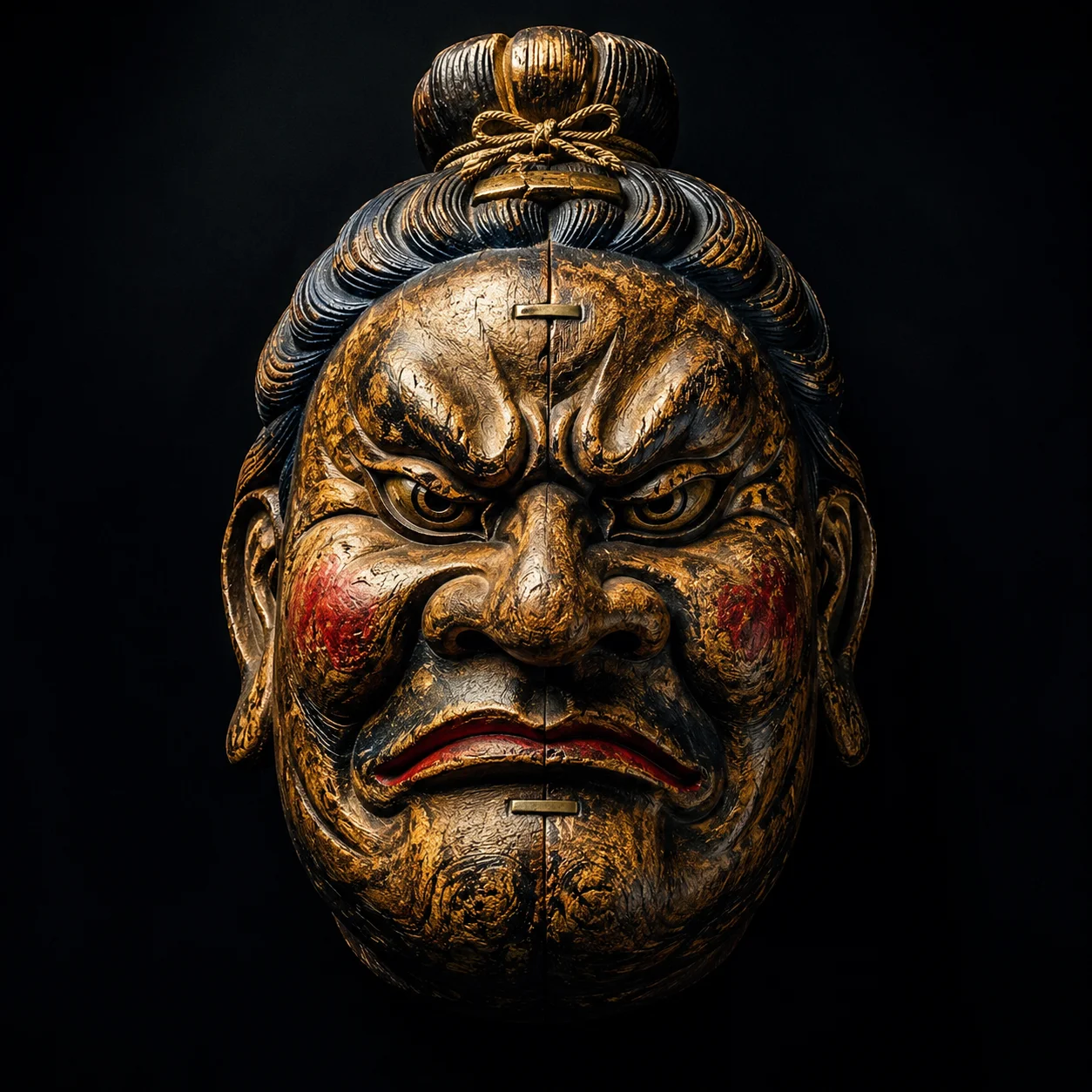
For years, experts believed the people of Japan mainly came from two ancient groups. But now, a groundbreaking scientific study is changing that story completely. Researchers have discovered evidence of a possible third ancestral group hidden deep within Japan’s genetic history — and the findings are leaving scientists stunned.
Could human history be far more complicated than we were taught in schools?
A Discovery That Changed Everything
A team of researchers from Japan’s leading scientific institute carried out one of the largest DNA studies ever conducted in Asia. By analyzing the complete genetic information of more than 3,200 individuals from different regions of Japan, scientists uncovered surprising patterns that point toward a forgotten ancestral population connected to northeastern Asia.
The study suggests modern Japanese ancestry may not come from only two groups, but possibly three.
This new theory is now gaining global attention because it could reshape how scientists understand migration, ancient civilizations, and the formation of modern populations.
Japan Is More Genetically Diverse Than Expected
For decades, many researchers believed Japan had a mostly uniform genetic population. However, the new findings revealed major regional differences between people living in different parts of the country.
Scientists found stronger traces of ancient Jomon ancestry in Okinawa, while western Japan showed closer genetic links with East Asian populations connected to historical migration waves from China.
Another newly detected ancestry pattern appeared strongest in northeastern Japan, possibly linked to the mysterious Emishi people mentioned in ancient records.
So the question is: How many forgotten civilizations may still be hidden inside human DNA?
Ancient Neanderthal DNA Still Lives in Humans
One of the most fascinating parts of the study involved ancient human species like Neanderthals and Denisovans.
Researchers discovered dozens of ancient DNA regions that still exist in modern Japanese populations today. Surprisingly, some of these inherited genes may influence present-day diseases including diabetes, heart conditions, arthritis, and even cancer risks.
That means DNA passed down tens of thousands of years ago could still affect people living today.
Is our ancient past quietly shaping our future health?
The Future of Personalized Medicine
Scientists believe this research could eventually help doctors create more personalized treatments based on a person’s genetic background.
The study also identified specific genetic variants connected to hearing problems, liver disease, high blood pressure, and kidney complications. Researchers hope expanding Asian genetic databases will improve healthcare research worldwide, especially since many past studies mainly focused on European populations.
Experts say understanding genetic diversity is becoming one of the biggest keys to future medicine.
Why This Research Matters Globally
This discovery is not only important for Japan. It also highlights how human history may be far more layered and interconnected than previously believed.
Every new DNA study is uncovering forgotten migration stories, hidden populations, and ancient human connections that survived for thousands of years inside modern genomes.
And perhaps the biggest reality is this: the answers about our future health may already be written in our ancient past.
Source:
RIKEN Center for Integrative Medical Sciences / Science Advances
Our audience means everything to us.
Have feedback or suggestions to make us better? We’re always listening—feel free to get in touch with us at truthora2026@gmail.com








Leave a Comment