

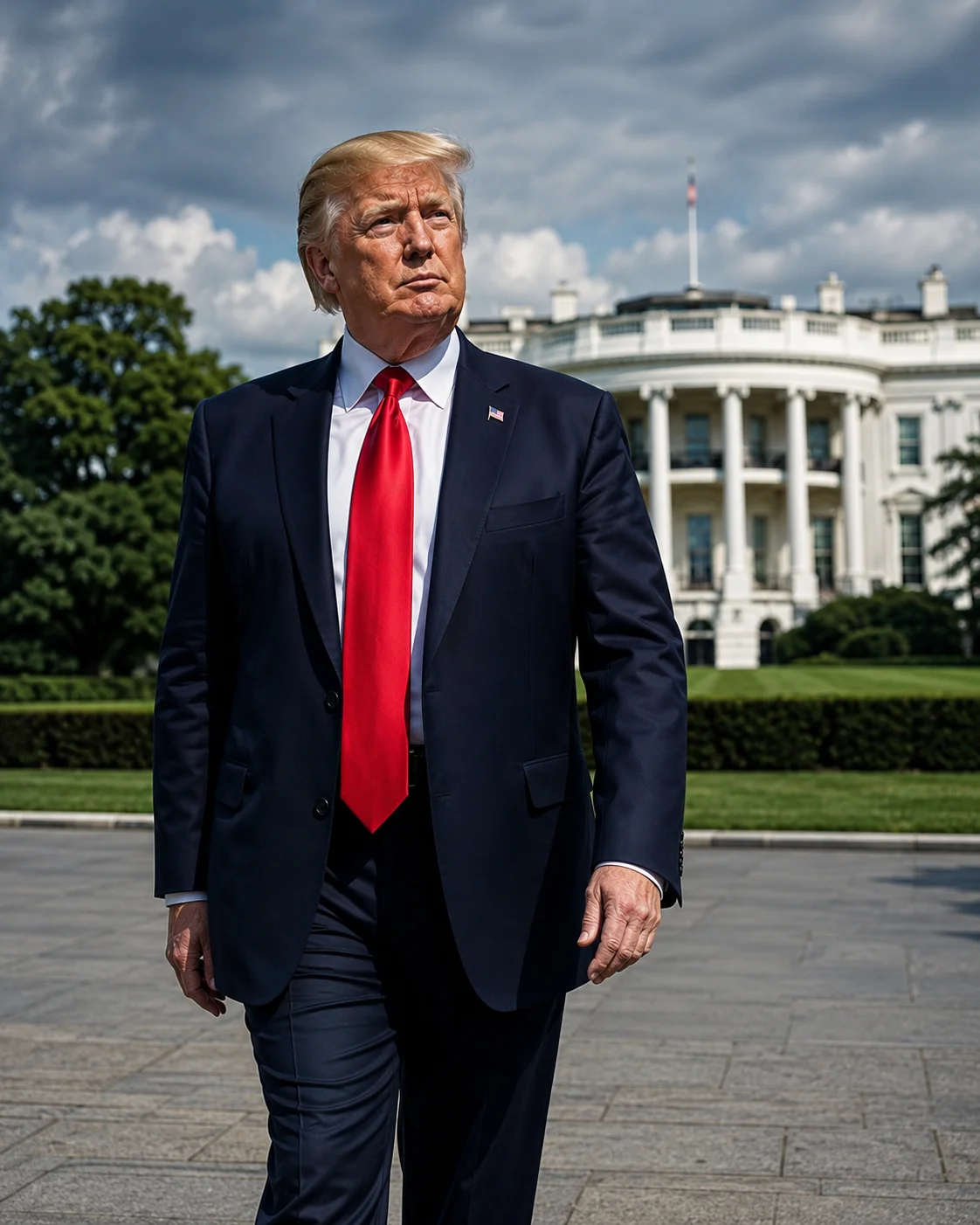
The US Supreme Court has delivered a major constitutional ruling by rejecting President Donald Trump’s attempt to limit birthright citizenship through an executive order, reaffirming that children born on American soil remain US citizens under the 14th Amendment. The 6-3 decision marks one of the most significant legal setbacks for Trump’s immigration agenda during his second term.
The case centered on an executive order signed by President Trump shortly after returning to office. The order sought to deny automatic US citizenship to children born in the United States if their parents were living in the country illegally or were present on temporary visas. However, federal courts blocked the policy before it could take effect, arguing that it conflicted with long-established constitutional protections.
In its ruling, the Supreme Court confirmed that the Citizenship Clause of the 14th Amendment continues to protect nearly everyone born within the United States. Writing for the majority, Chief Justice John Roberts stated that the Constitution guarantees citizenship at birth for children born on US soil who are subject to the country’s jurisdiction, reinforcing more than a century of legal precedent.
The decision also strengthens the long-standing interpretation established in the historic United States v. Wong Kim Ark case of 1898, which has served as the legal foundation for birthright citizenship for generations. Legal experts say the ruling makes it clear that a president cannot alter constitutional rights through executive action alone. Any change to birthright citizenship would require a constitutional amendment or a significant shift in constitutional interpretation by the courts.
Following the ruling, President Trump criticized the decision and called on Congress to pursue legislation aimed at ending birthright citizenship. He argued that the current system encourages illegal immigration and “birth tourism,” a practice in which foreign nationals travel to the United States to give birth so their children receive American citizenship. Despite his criticism, constitutional scholars note that passing ordinary legislation alone may not be enough to overturn a constitutional guarantee.
Civil rights organizations welcomed the verdict, calling it an important victory for constitutional protections and equal rights. The American Civil Liberties Union (ACLU), which challenged the executive order, said the judgment reaffirms the principle that citizenship is determined by the Constitution rather than presidential directives.
On the same day, the Supreme Court also issued another closely watched decision by allowing state laws that restrict transgender athletes assigned male at birth from competing in girls’ and women’s school sports. The separate ruling has sparked nationwide debate over fairness in sports, civil rights, and state authority.
The birthright citizenship ruling is expected to shape future immigration debates in the United States and will likely remain a central issue in American politics. While the Trump administration has indicated it will continue pursuing immigration reforms, the Supreme Court’s decision reinforces that constitutional protections cannot be changed through executive orders alone.
Source:
Reuters, Associated Press (AP), ABC News, Al Jazeera.
Our audience means everything to us.
Have feedback or suggestions to make us better? We’re always listening—feel free to get in touch with us at truthora2026@gmail.com








Leave a Comment