

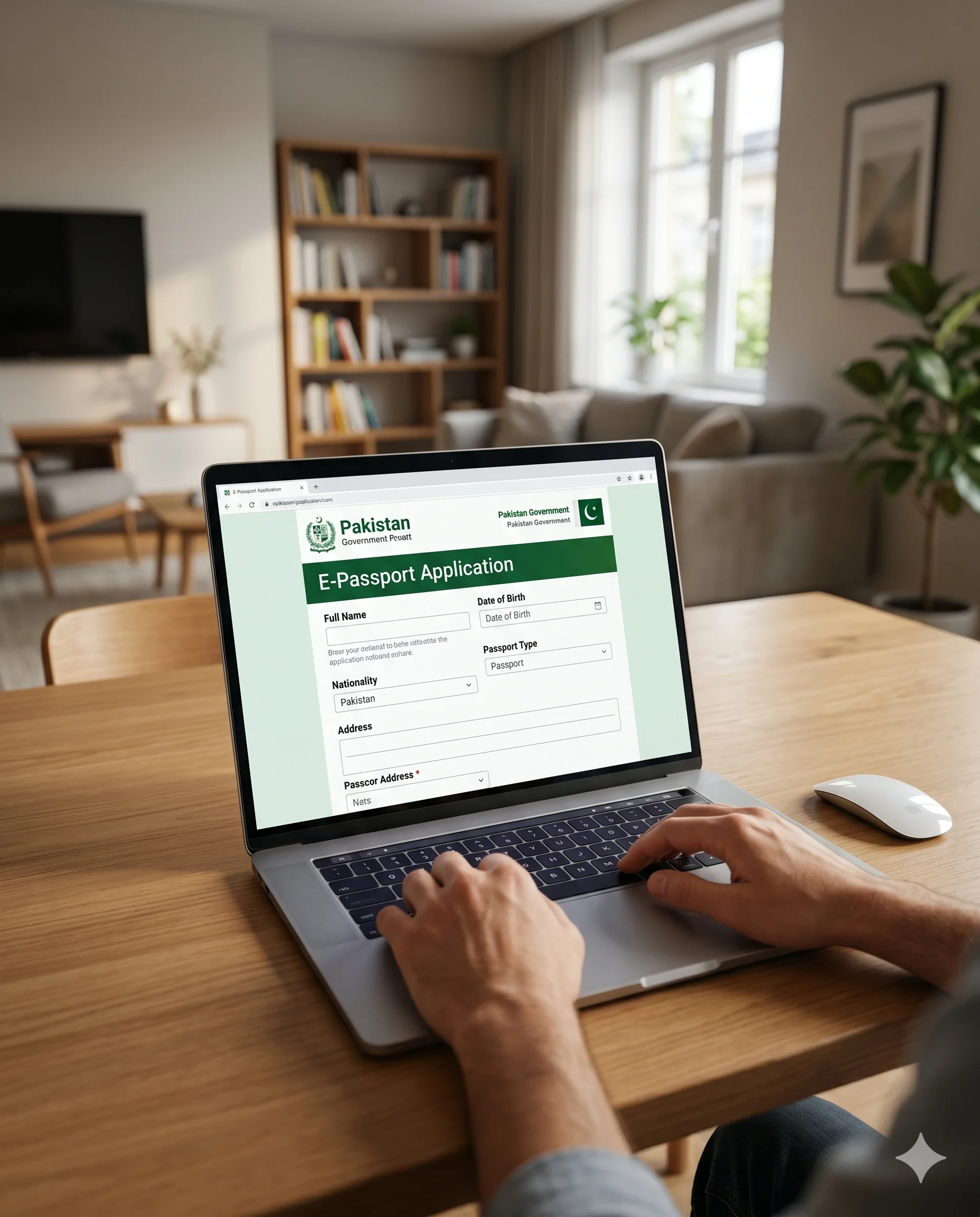
Pakistan Moves Toward a Digital Passport Future
Pakistan is preparing for a major transformation in its travel documentation system as the government moves closer to replacing traditional machine-readable passports with modern e-passports.
The announcement was made by Interior Minister Mohsin Naqvi during a high-level meeting at the Passport and Immigration Headquarters in Islamabad. The proposed transition is expected to strengthen security, reduce document fraud, and make international travel more convenient for Pakistani citizens.
But what exactly is an e-passport, and how could this change affect millions of travelers?
What Is an E-Passport?
An e-passport, also known as a biometric passport, contains a small electronic chip embedded within the document. This chip securely stores important information such as the holder’s biometric data, facial image, personal details, digital signature, and a unique identification number.
Unlike traditional passports, e-passports can be read electronically through secure systems at airports and border checkpoints, helping authorities verify identities more efficiently.
The technology is already being used by many countries around the world and is increasingly becoming the global standard for secure international travel.
Why Is Pakistan Switching to E-Passports?
According to officials, one of the biggest reasons behind the transition is to tackle passport fraud and forgery.
Fake travel documents remain a challenge for many countries, and authorities believe the advanced security features built into e-passports will make unauthorized duplication significantly more difficult.
Officials also say the move will improve Pakistan’s compliance with international travel standards and enhance the country’s reputation in global immigration systems.
Faster Airport Experience for Travelers
One of the most noticeable benefits for citizens could be shorter waiting times at airports.
Since Pakistan’s e-passports comply with standards set by the International Civil Aviation Organization (ICAO), holders will be able to use automated e-gates at many international airports.
This means travelers may spend less time standing in immigration lines and more time focusing on their journeys.
For frequent travelers, students, overseas workers, and business professionals, this improvement could save valuable time during international trips.
Cashless Passport Services Coming Soon
The meeting also approved another important reform.
Starting July 1, passport offices across Pakistan are expected to adopt a cashless payment system. Instead of handling payments manually through traditional methods, applicants will be able to use digital payment options.
Officials believe this step will improve transparency, reduce processing delays, and create a smoother experience for applicants.
Home Delivery of Passports Under Consideration
In another citizen-friendly initiative, authorities revealed that preliminary work has been completed for home delivery services.
Once launched, applicants inside Pakistan and overseas Pakistanis may receive their passports directly at their doorstep.
If implemented successfully, this service could reduce unnecessary travel and make passport collection far more convenient for families and overseas citizens.
Online Applications to Become Easier
The government also plans to integrate passport services with the Pak ID digital platform.
This integration is expected to simplify online applications, reduce paperwork, and shorten processing times.
As more public services move online, digital platforms are becoming an increasingly important part of Pakistan’s modernization efforts.
What About Business Passports?
Officials also discussed a separate policy framework for business passports.
The Interior Minister directed relevant authorities to finalize the policy in consultation with the Federal Board of Revenue (FBR). While details have not yet been announced, the initiative could potentially provide easier travel solutions for business professionals and investors.
A Step Toward Digital Governance
Pakistan’s planned transition to e-passports reflects a broader shift toward digital governance and technology-driven public services.
From online identity systems to cashless transactions and digital documentation, the country is gradually modernizing services that affect millions of citizens every year.
The full timeline for replacing machine-readable passports has not yet been announced, but the direction appears clear: Pakistan is preparing for a more secure, efficient, and digitally connected future.
As these reforms continue to develop, travelers will be watching closely to see how quickly the new system is rolled out and what additional benefits it may bring.
Source:
Information based on official statements from Interior Minister Mohsin Naqvi, Directorate General Immigration & Passports, and reports published by major Pakistani media outlets including Dawn, The News International, Geo News, ARY News, and Associated Press of Pakistan (APP).
Our audience means everything to us.
Have feedback or suggestions to make us better? We’re always listening—feel free to get in touch with us at truthora2026@gmail.com









Leave a Comment