

Karachi has taken a significant step towards improving its water supply system with the launch of a new barcode-based identification and tracking system for all registered water tankers. The initiative is designed to help residents verify whether a tanker is legally registered while increasing transparency and accountability across the city’s water distribution network.
According to Karachi Mayor Barrister Murtaza Wahab, every registered water tanker has now been assigned a unique barcode. By scanning the code, citizens can instantly access important information about the vehicle, including the driver’s identity and photograph, the approved operating route, the vehicle’s fitness status, and the source of the water being delivered.
The digital verification system is expected to make it easier for residents to distinguish between authorized and unauthorized water tankers. Officials believe the move will strengthen regulatory oversight while making it more difficult for illegal tanker operators to continue their activities without detection.
Mayor Wahab has encouraged Karachi residents to actively participate in the initiative by scanning the barcode on every water tanker that arrives at their homes. If a vehicle appears unregistered or suspicious, citizens are urged to report it to the relevant authorities. Public cooperation, he said, will play an important role in ensuring a more reliable and transparent water supply system for the city.
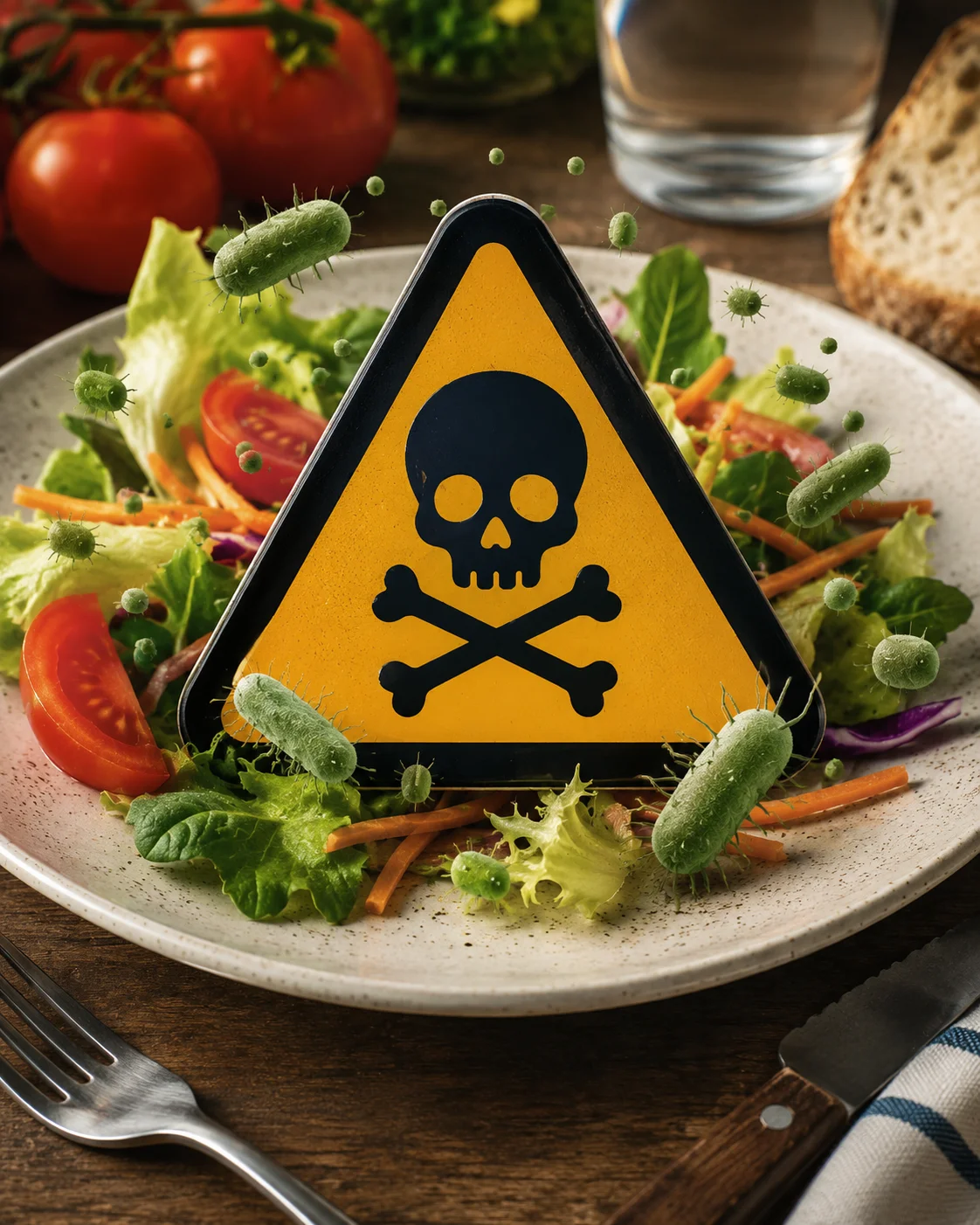
Food poisoning is often dismissed as a minor stomach problem, but for many Pakistanis, it can quickly become a medical emergency. From roadside food stalls to well-known restaurants, unsafe food continues to pose a serious public health threat, sending thousands of people to hospitals every year.
Health experts say contaminated food, poor hygiene, unsafe drinking water, weak regulatory oversight, and rising temperatures are all contributing to an increasing number of foodborne illnesses across the country. While most people recover within a few days, severe cases can lead to dehydration, organ complications, prolonged illness, and even death.
A Simple Meal That Turned Into a Medical Emergency
For 26-year-old Hassan Raza, an ordinary dinner became a frightening experience. After returning home from work in Karachi, he bought a beef burger from a roadside vendor before going to bed.
Within hours, he developed severe stomach cramps, vomiting, and persistent diarrhea. As dehydration worsened, he collapsed while trying to reach the bathroom, suffering facial injuries that required hospital treatment.
Doctors treated him with intravenous fluids before discharging him later that day.
“I never imagined a single meal could land me in the hospital,” he recalled.
His experience is far from unique.
Foodborne Illness Is More Common Than Many Realize
Another Karachi resident, university student Ahsan Malik, became seriously ill after drinking a milkshake from a roadside juice shop.
Within 24 hours, he experienced severe abdominal pain, vomiting, and continuous diarrhea. His condition deteriorated rapidly, forcing his family to rush him to hospital, where doctors treated him for acute dehydration.
Medical professionals say such incidents occur far more frequently than official statistics suggest, with many patients recovering at home without reporting their illness.
Pakistan’s Food Safety Challenge
Pakistan’s food industry has expanded rapidly over the past decade, with increasing demand for burgers, shawarma, pizza, sandwiches, juices, and other ready-to-eat meals.
However, experts warn that food safety standards have not kept pace.
Poor sanitation, contaminated water supplies, inadequate refrigeration, improper food storage, and weak enforcement of food safety regulations continue to expose consumers to unnecessary health risks.
Researchers have also found worrying levels of contamination in ready-to-eat food sold in different parts of Pakistan.
Unsafe Ingredients Remain a Major Concern
Food safety concerns are not limited to roadside vendors.
Authorities have repeatedly seized adulterated milk, expired food products, and poor-quality meat from various businesses across the country.
Consumer rights advocates argue that enforcement often becomes stricter only after a major incident attracts public attention, while routine inspections remain inconsistent.
Experts say stronger monitoring systems and stricter penalties are needed to discourage unsafe food practices.
Why Hot Weather Makes the Situation Worse
Pakistan’s long summers create ideal conditions for bacteria to multiply rapidly.
Power outages can interrupt refrigeration, causing meat, dairy products, sauces, and cooked food to spoil much faster.
Water shortages add another challenge, making it difficult for food handlers to properly wash vegetables, utensils, and their hands.
Health specialists warn that these factors significantly increase the risk of bacterial contamination during the summer months.
Experts Stress the Importance of Food Traceability
Food industry professionals believe every ingredient should be traceable from supplier to customer.
Modern food businesses around the world maintain detailed records showing where ingredients were purchased, how they were transported, stored, and prepared.
Such systems make it easier to identify contaminated products quickly and remove them before they reach more consumers.
Industry experts say many local businesses still lack proper monitoring systems because maintaining international food safety standards requires investment in equipment, staff training, and regular audits.
What Consumers Can Do
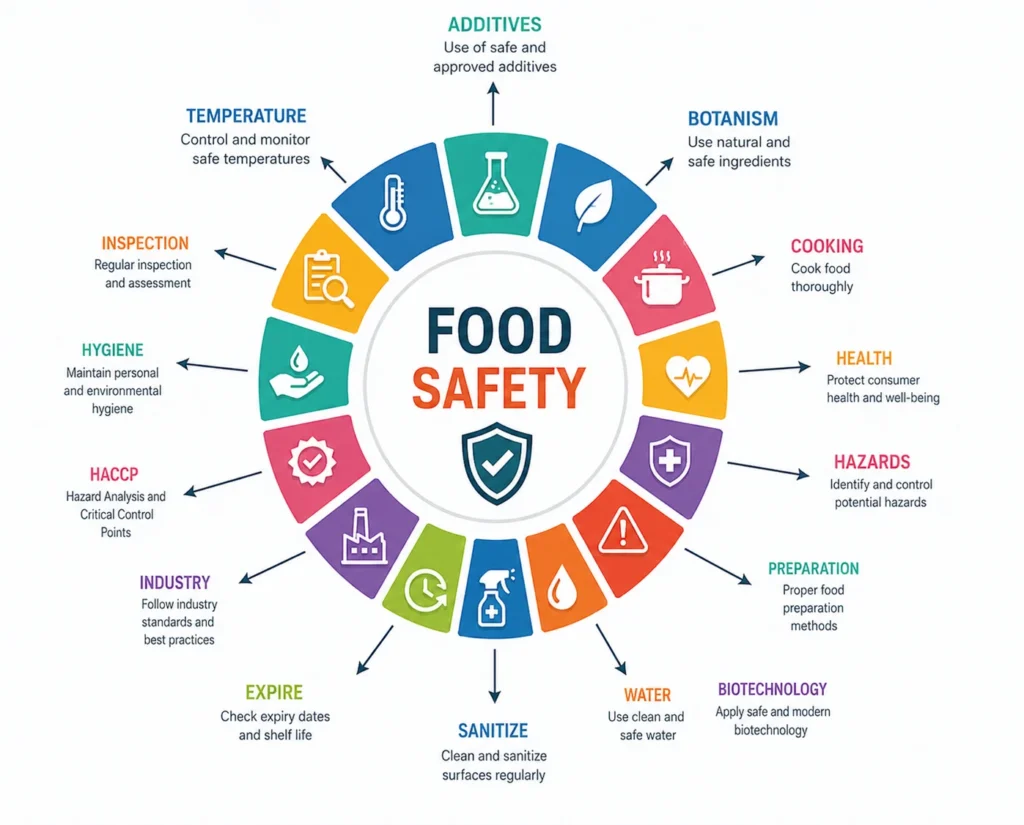
Although food safety largely depends on businesses and regulators, consumers can also reduce their risk by:
- Choosing restaurants and vendors that maintain visible hygiene standards.
- Avoiding food that has been left uncovered for long periods.
- Drinking clean, safe water.
- Checking expiry dates before purchasing packaged food.
- Seeking immediate medical attention if severe vomiting, diarrhea, or dehydration develops.

A Growing Public Health Issue
According to the World Health Organization (WHO), contaminated food causes illness in hundreds of millions of people every year and remains one of the world’s leading public health challenges. Climate change, rising temperatures, and extreme weather events are expected to further increase food safety risks globally.
For Pakistan, improving food safety will require stronger regulations, better enforcement, modern inspection systems, and greater public awareness.
Until these issues are addressed, every meal—from a roadside burger to a restaurant dinner—will continue to carry a level of risk that many consumers never expect.
Source:
The Express Tribune, World Health Organization (WHO), International Journal of Surgery Global Health
Our audience means everything to us.
Have feedback or suggestions to make us better? We’re always listening—feel free to get in touch with us at truthora2026@gmail.com








Leave a Comment